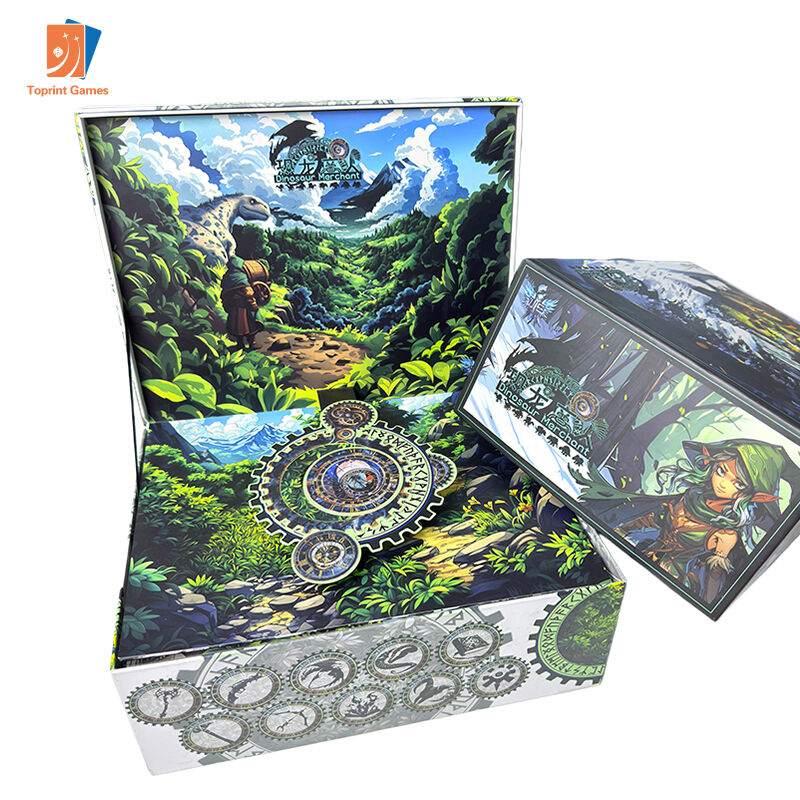
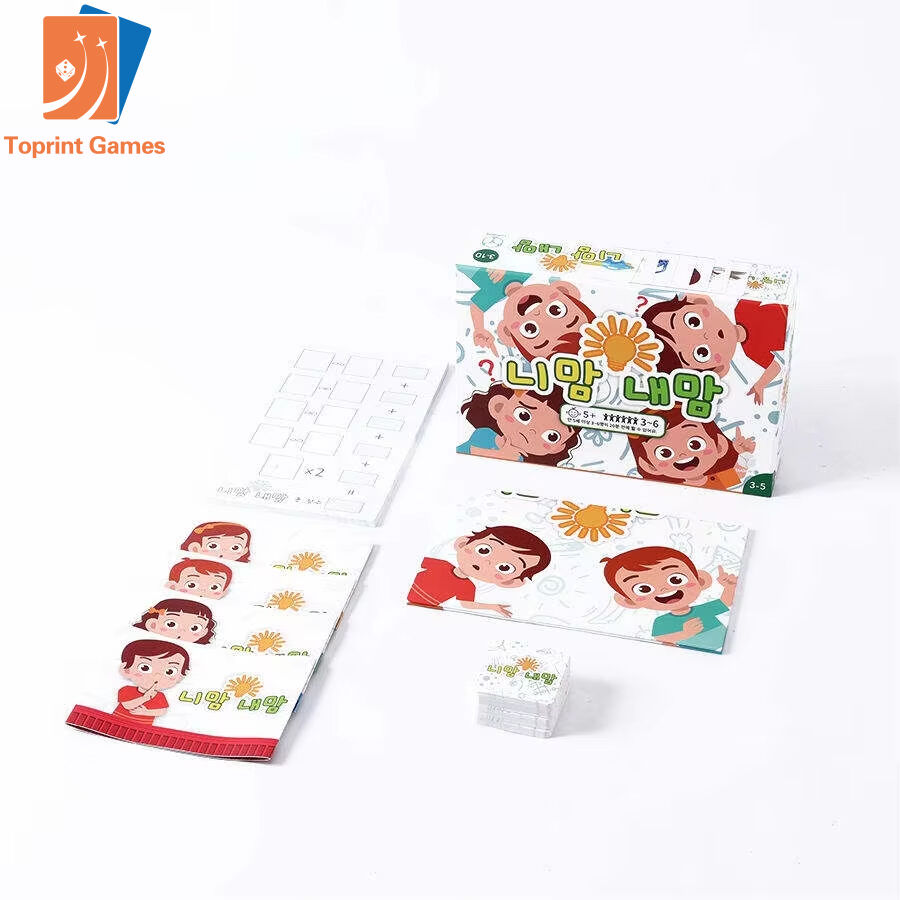
Low MOQ Board Game Manufacturer: Flexible Production Solutions for Independent Game Developers

Get a Free Quote

Our representative will contact you soon.
Email
Name
Company Name
Message
0/1000

low moq board game manufacturer

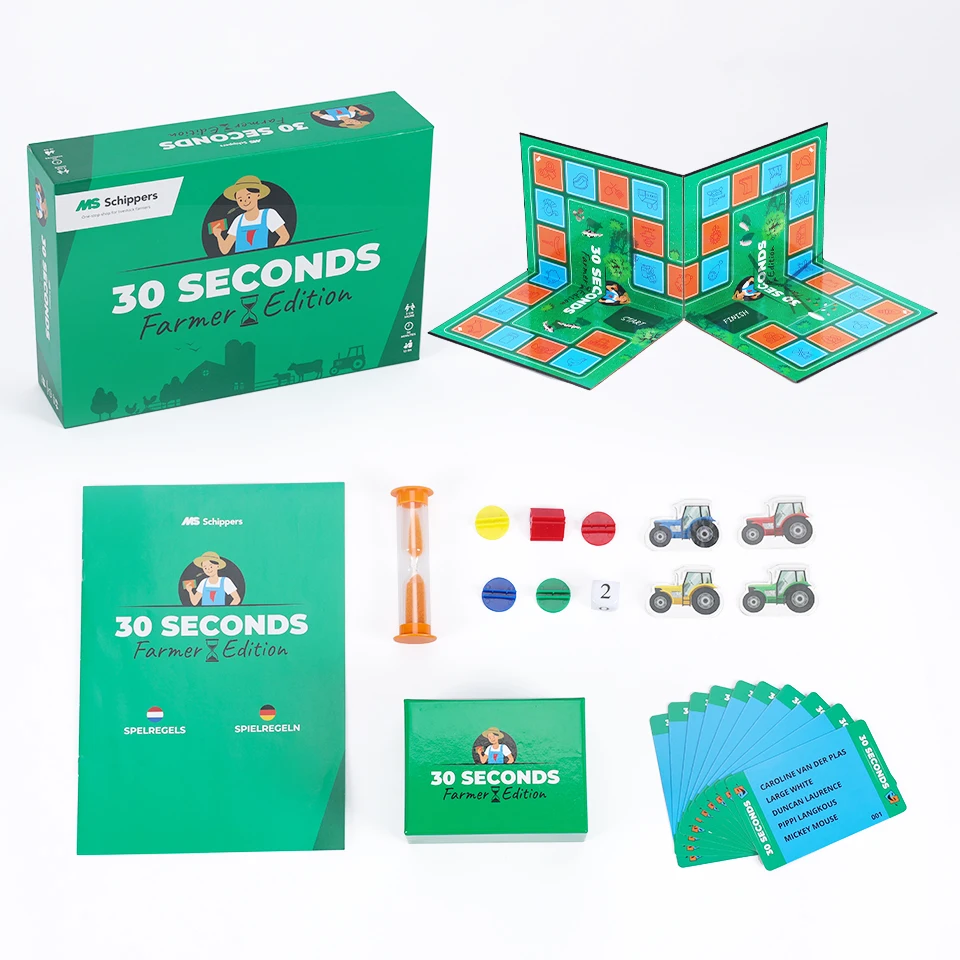
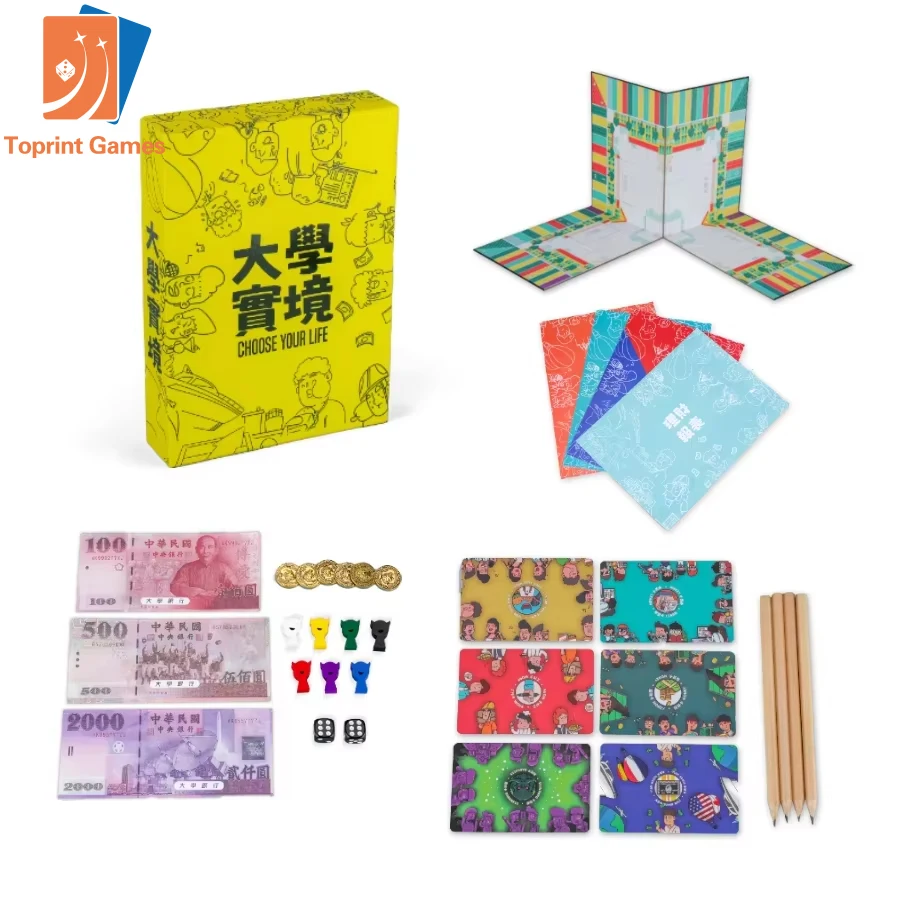
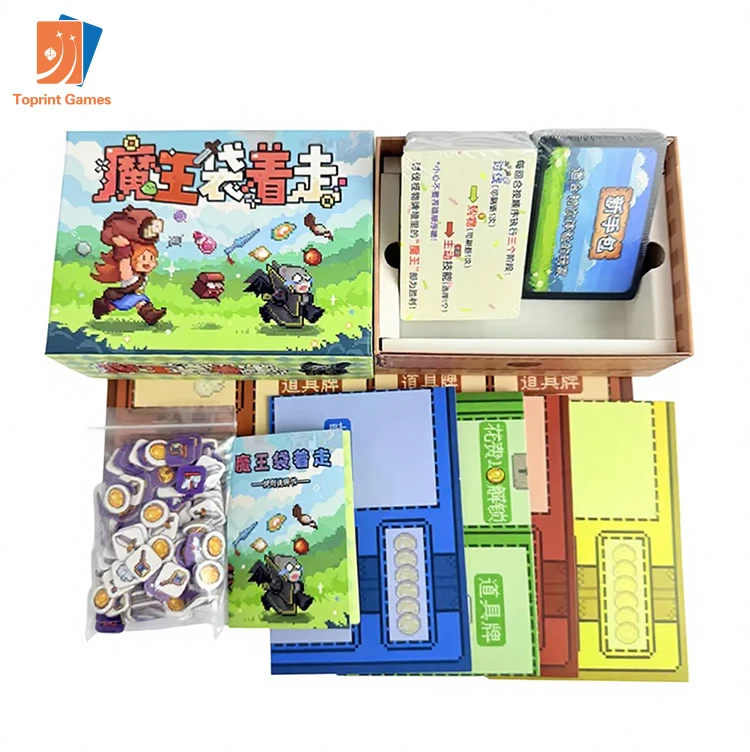
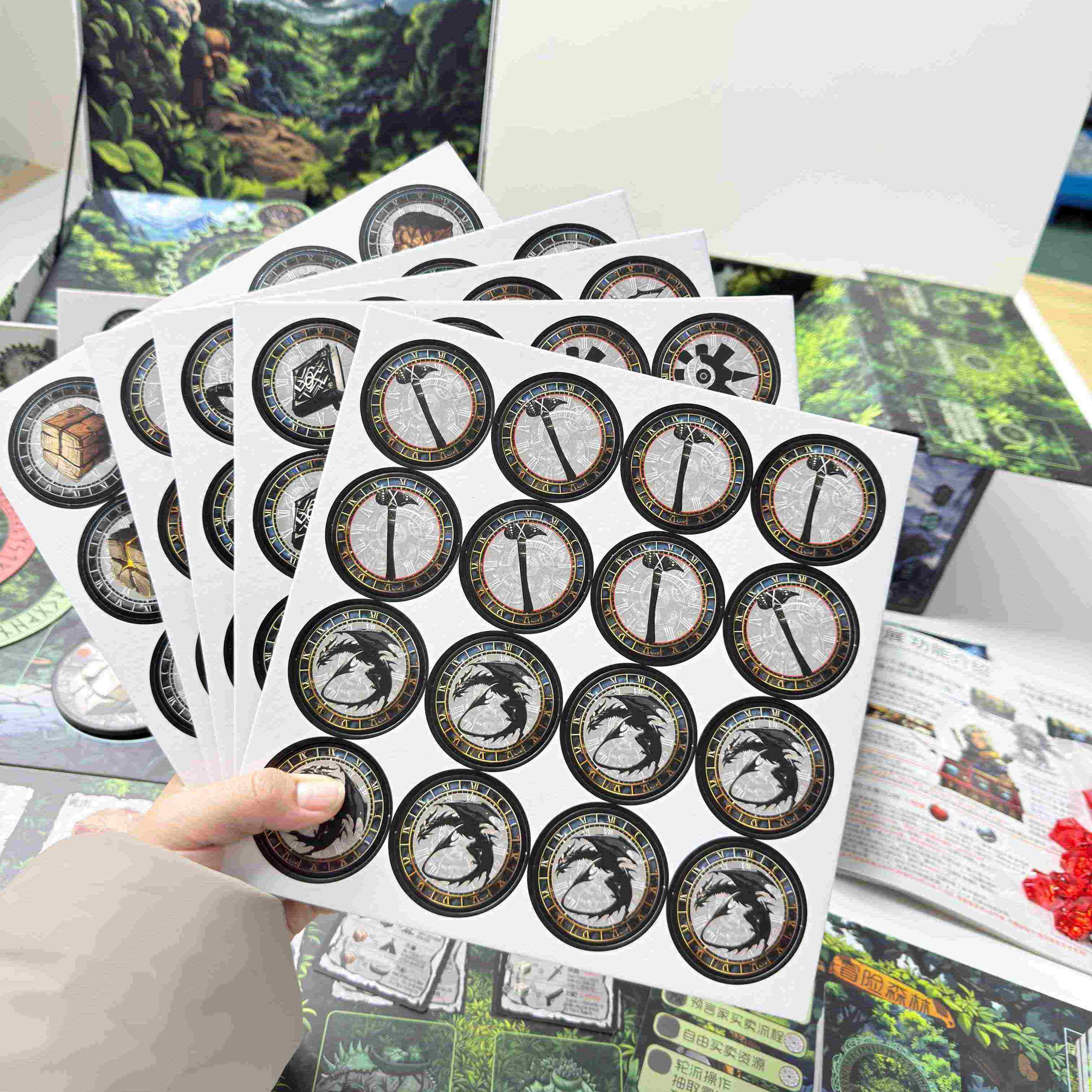
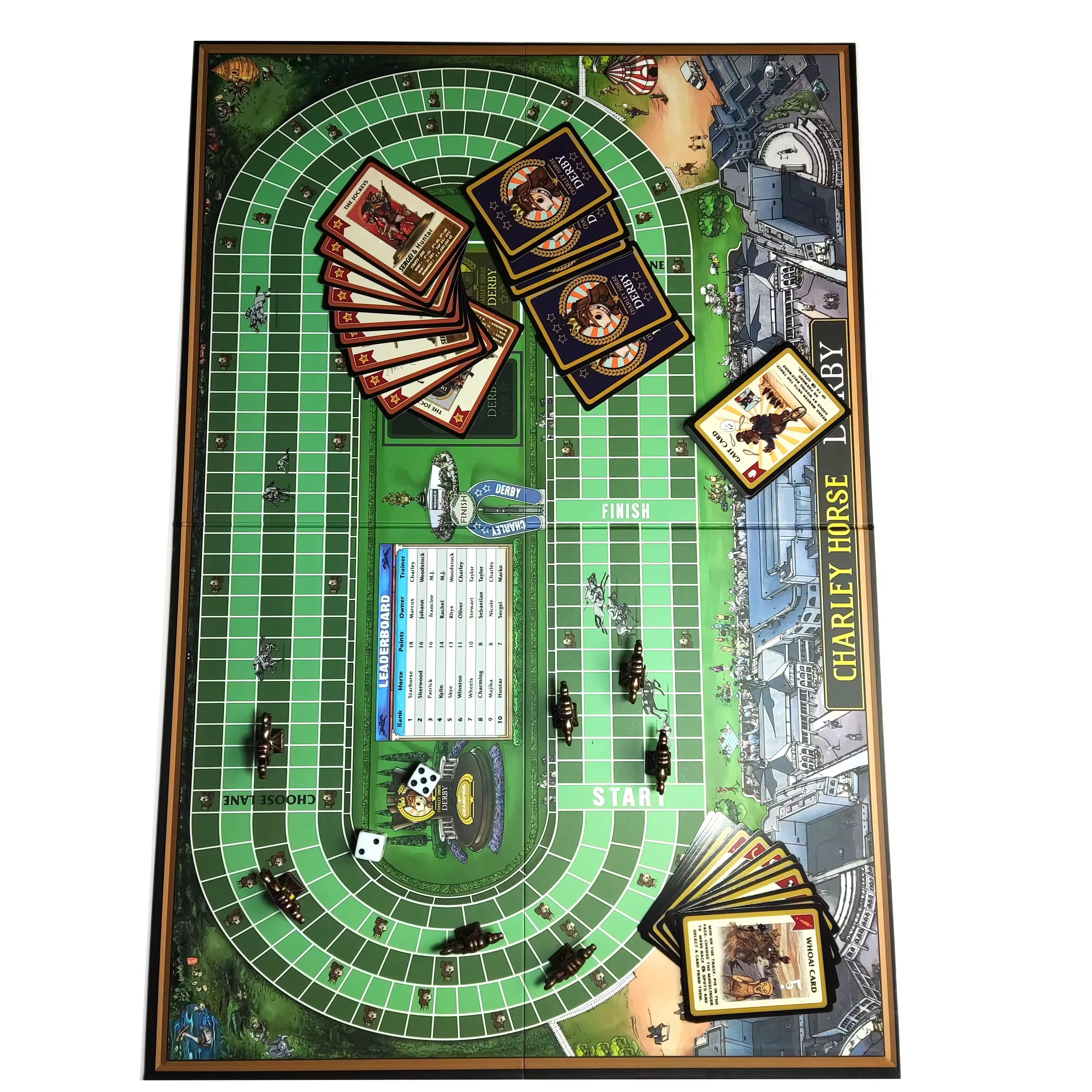
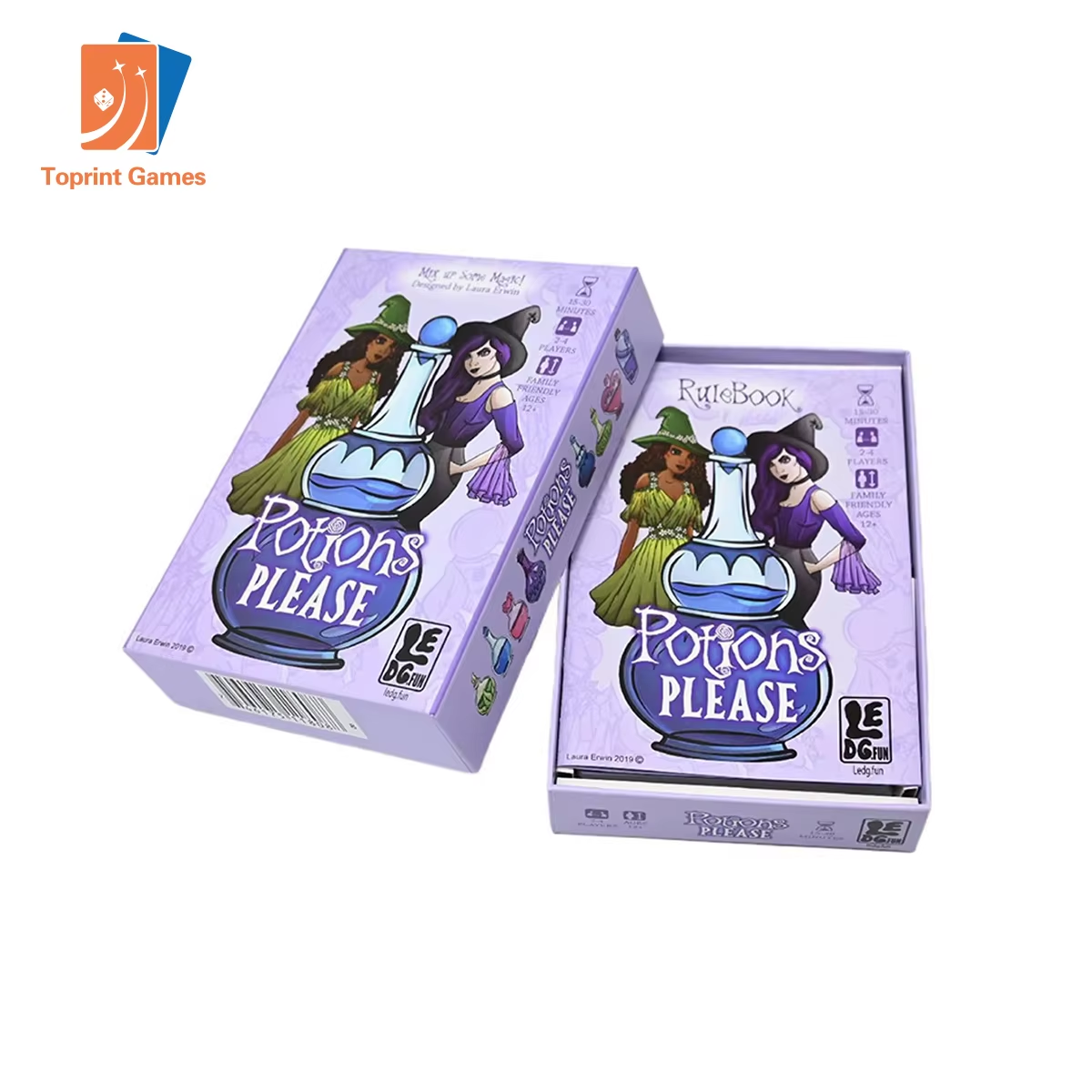
A low MOQ board game manufacturer represents a specialized production partner that enables game designers, entrepreneurs, and small businesses to bring their creative visions to life without the traditional barrier of high minimum order quantities. These manufacturers have revolutionized the board game industry by offering flexible production solutions that accommodate smaller print runs, typically starting from as few as 100-500 units per order. This approach has democratized game publishing, allowing independent creators and startups to test market demand, launch crowdfunding campaigns, or establish their brands without substantial upfront investments. The core functionality of a low MOQ board game manufacturer encompasses the entire production pipeline, from initial concept development and prototyping to final packaging and shipping. These facilities employ advanced digital printing technologies, precision cutting equipment, and automated assembly lines specifically designed to handle smaller batches efficiently. Their technological infrastructure includes high-resolution digital printers capable of producing vibrant artwork on various materials, laser cutting machines for precise component shaping, and quality control systems that ensure consistency across limited production runs. The manufacturing process typically involves multiple stages including artwork preparation, material selection, printing, die-cutting, assembly, and quality inspection. Modern low MOQ board game manufacturers utilize sophisticated project management software to track orders, maintain communication with clients, and provide real-time production updates. Their applications span across diverse market segments including educational institutions developing custom learning games, marketing agencies creating branded promotional games, independent game designers testing new concepts, and established companies launching limited edition products. These manufacturers serve as crucial partners for Kickstarter campaigns, retail stores seeking exclusive products, and international distributors requiring localized versions of popular games.

New Product Releases

The advantages of partnering with a low MOQ board game manufacturer extend far beyond simply reducing initial investment requirements, creating a comprehensive ecosystem of benefits that empower businesses to thrive in competitive markets. Cost efficiency stands as the primary advantage, enabling entrepreneurs to validate their game concepts without committing to large inventory investments that could strain cash flow or create storage challenges. This financial flexibility allows companies to allocate resources more strategically, investing in marketing, distribution channels, or additional product development rather than tying up capital in excessive inventory. Speed to market represents another significant benefit, as low MOQ board game manufacturers typically maintain shorter production cycles and more flexible scheduling compared to traditional high-volume facilities. This agility proves invaluable for time-sensitive launches, seasonal products, or rapid prototype iterations during the development phase. The reduced financial risk associated with smaller production runs encourages innovation and experimentation, allowing game designers to test multiple variations, gather customer feedback, and refine their products based on real market data rather than assumptions. Quality control becomes more manageable with smaller batches, enabling manufacturers to maintain closer oversight throughout the production process and implement immediate corrections if issues arise. This attention to detail often results in superior final products that meet exact specifications and customer expectations. Customization capabilities flourish within low MOQ environments, as manufacturers can dedicate more personalized attention to each project, accommodating unique requirements, special materials, or innovative packaging solutions that might be cost-prohibitive in large-scale production. Environmental sustainability emerges as an increasingly important advantage, as smaller production runs reduce waste, minimize overproduction, and support just-in-time manufacturing principles. Market testing capabilities become significantly enhanced, allowing businesses to gauge consumer response, refine pricing strategies, and adjust marketing approaches based on actual sales data before committing to larger production volumes. The low MOQ board game manufacturer model also facilitates better cash flow management, enabling businesses to generate revenue from initial sales before reinvesting in subsequent production runs, creating a self-sustaining growth cycle that reduces dependence on external financing.

Tips And Tricks

How to Choose Reliable Card Game Manufacturers: Expert Guide

25

Nov

How to Choose Reliable Card Game Manufacturers: Expert Guide

Selecting the right partner for your card game production is a critical decision that can make or break your gaming venture. Whether you're developing your first tabletop game or expanding an existing product line, understanding how to evaluate and c...
View More
Card Game Manufacturers: Cost, Quality & Production Timeline

25

Nov

Card Game Manufacturers: Cost, Quality & Production Timeline

The gaming industry has experienced unprecedented growth in recent years, with custom card games leading the charge in both digital and physical entertainment markets. When entrepreneurs and game designers seek to bring their creative visions to life...
View More
Custom Board Game Costs: What to Expect in 2025

25

Nov

Custom Board Game Costs: What to Expect in 2025

The world of custom board game development has evolved dramatically over the past few years, transforming from a niche hobby into a thriving industry worth billions of dollars. Whether you're an aspiring game designer, an entrepreneur looking to crea...
View More
Design Tips for Creating Your First Custom Board Game

25

Nov

Design Tips for Creating Your First Custom Board Game

Creating your first custom board game represents an exciting journey into the world of tabletop entertainment and strategic design. Whether you're developing a game for family gatherings, educational purposes, or commercial distribution, the process ...
View More

Get a Free Quote

Our representative will contact you soon.
Email
Name
Company Name
Message
0/1000

low moq board game manufacturer

Flexible Production Capabilities That Scale With Your Business Growth

Flexible Production Capabilities That Scale With Your Business Growth

The flexible production capabilities offered by a low MOQ board game manufacturer create an unprecedented level of adaptability that grows alongside your business trajectory, providing a sustainable foundation for long-term success in the competitive gaming industry. This flexibility manifests in multiple dimensions, starting with order quantity scalability that allows businesses to begin with modest production runs and gradually increase volumes as market demand solidifies. Unlike traditional manufacturers that lock clients into rigid minimum requirements, these specialized facilities accommodate orders ranging from prototype quantities to mid-volume production runs, enabling seamless transitions as businesses expand their market presence. The production flexibility extends to timing considerations, where manufacturers can adjust schedules to meet urgent deadlines, accommodate seasonal demand fluctuations, or sync with crowdfunding campaign timelines that often operate on unpredictable schedules. Material selection flexibility represents another crucial advantage, as low MOQ board game manufacturers typically maintain relationships with diverse suppliers, enabling access to various paper stocks, cardboard thicknesses, specialty finishes, and unique components that can differentiate products in crowded marketplaces. This material diversity allows game designers to experiment with different tactile experiences, premium finishes, or cost-effective alternatives without being constrained by limited supplier relationships. The manufacturing process itself demonstrates remarkable flexibility through modular production approaches that can accommodate games with varying complexity levels, from simple card games requiring basic printing and cutting to elaborate board games incorporating multiple component types, custom dice, wooden pieces, or plastic figurines. Quality standards remain consistently high regardless of order size, as these manufacturers invest in scalable quality control systems that maintain rigorous inspection protocols across all production volumes. Geographic flexibility emerges as global markets become increasingly important, with many low MOQ board game manufacturers offering international shipping, customs documentation, and regional compliance support that simplifies market expansion efforts. The technological flexibility built into these operations enables rapid adoption of new printing techniques, finishing methods, or assembly processes as they become available, ensuring that clients benefit from cutting-edge production capabilities without requiring significant capital investments on their part.
Cost-Effective Market Entry Strategy for Independent Game Developers

Cost-Effective Market Entry Strategy for Independent Game Developers

The cost-effective market entry strategy facilitated by low MOQ board game manufacturers has fundamentally transformed how independent game developers approach product launches, creating accessible pathways to commercial success that were previously reserved for well-funded corporations or established publishing houses. Traditional board game manufacturing often required minimum orders of 3000-10000 units, creating financial barriers that could easily exceed $50000-100000 for a single product launch, effectively excluding most independent creators from the market. Low MOQ board game manufacturers have dismantled these barriers by offering production runs starting from hundreds of units, reducing initial investments to manageable levels that align with bootstrap budgets and crowdfunding campaign goals. This cost reduction extends beyond simple unit pricing to encompass reduced storage costs, lower insurance requirements, and decreased working capital needs, creating a comprehensive financial advantage that enables sustainable business growth. The risk mitigation aspect proves particularly valuable for first-time publishers who can test market reception with limited financial exposure, gathering crucial consumer feedback before committing to larger production volumes. Independent developers benefit from improved cash flow dynamics, as they can generate revenue from initial sales to fund subsequent production runs, creating a self-sustaining growth model that reduces dependence on external investors or loans. The cost-effectiveness also enables multiple product launches within constrained budgets, allowing developers to build diverse product portfolios rather than investing everything in a single game concept. Quality considerations remain paramount despite reduced costs, as low MOQ board game manufacturers leverage efficient production processes and economies of scope rather than sacrificing standards to achieve lower prices. Market testing capabilities become economically viable, enabling developers to experiment with different price points, packaging designs, or component configurations without prohibitive financial commitments. The cost structure of low MOQ production also supports regional market entry strategies, where developers can produce localized versions for specific geographic markets without massive upfront investments, facilitating international expansion that might otherwise be financially unfeasible. Educational opportunities emerge from this cost-effective approach, as developers can afford to make mistakes, learn from market feedback, and iterate on their designs without facing financial ruin, ultimately leading to better products and more successful long-term business strategies.
Rapid Prototyping and Iterative Development Support

Rapid Prototyping and Iterative Development Support

Rapid prototyping and iterative development support provided by low MOQ board game manufacturers represents a revolutionary approach to game design that accelerates innovation cycles and improves final product quality through systematic testing and refinement processes. Traditional game development often required designers to rely on handmade prototypes or expensive small-batch services that couldn't accurately represent final production quality, creating significant gaps between design concepts and market-ready products. Low MOQ board game manufacturers bridge this gap by offering professional-grade prototyping services that utilize the same materials, printing processes, and assembly techniques employed in full production runs, ensuring that prototypes accurately reflect the final gaming experience. This capability enables designers to conduct meaningful playtesting sessions with components that match production specifications, gathering more reliable feedback about tactile experiences, visual appeal, and functional performance. The iterative development cycle becomes significantly more efficient when designers can quickly produce small quantities of refined prototypes, test them with focus groups, implement improvements, and repeat the process without lengthy delays or prohibitive costs. Speed advantages emerge as crucial competitive factors, particularly in rapidly evolving markets where timing can determine success or failure. Many low MOQ board game manufacturers maintain dedicated prototyping workflows that can deliver initial samples within days rather than weeks, enabling rapid iteration cycles that compress development timelines from months to weeks. The quality of rapid prototypes often matches or exceeds final production standards, allowing designers to make confident decisions about artwork, component specifications, and packaging designs based on accurate representations rather than approximations. Cost control throughout the development process becomes more predictable, as designers can budget for multiple prototype iterations without facing escalating costs that might force premature design decisions or compromise final product quality. Communication and collaboration tools integrated into many low MOQ manufacturing operations facilitate seamless feedback loops between designers, manufacturers, and test audiences, creating transparent development processes that identify and resolve issues early in the design cycle. The technical capabilities of modern rapid prototyping encompass diverse game components including custom cards, boards, tokens, dice, and complex three-dimensional pieces, ensuring that virtually any game concept can be accurately prototyped and tested before committing to full production volumes.

Get a Free Quote

Our representative will contact you soon.
Email
Name
Company Name
Message
0/1000