
 EN
EN


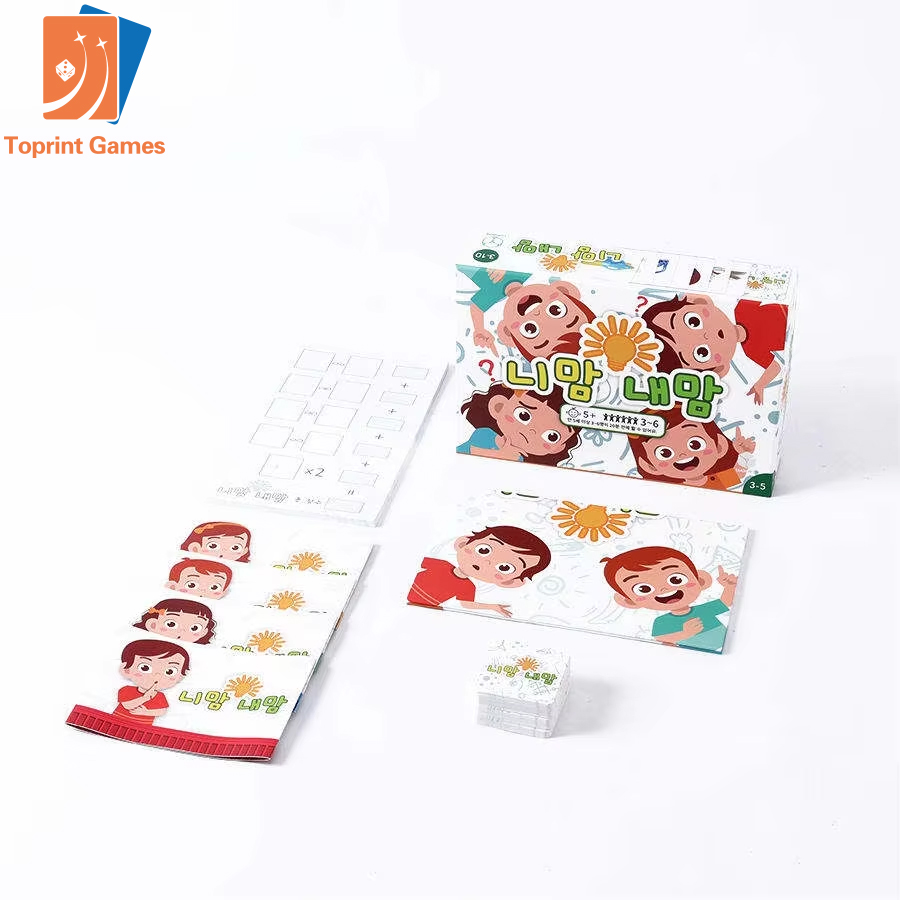
Working with overseas board game manufacturers opens significant opportunities for entrepreneurs and established game publishers alike. However, the logistics of shipping and fulfillment with international board game manufacturers requires careful planning, clear communication, and a solid understanding of global supply chain dynamics. Whether you're launching your first title or expanding an existing game line, coordinating with overseas board game manufacturers demands attention to multiple moving parts: production timelines, freight logistics, customs clearance, inventory management, and quality assurance.
Selecting reliable board game manufacturers and managing the complete fulfillment cycle is fundamentally different from domestic production. International board game manufacturers operate on different lead times, quality standards, and shipping protocols. Understanding how to navigate these differences—from initial production quotes through final delivery to end customers—determines whether your game launch succeeds on schedule and within budget. This guide explores the essential strategies for working effectively with overseas board game manufacturers and ensuring smooth fulfillment operations.
Understanding Production Timelines with Overseas Board Game Manufacturers
Lead Times and Production Planning
Board game manufacturers located overseas typically work on longer lead times than domestic suppliers. Most overseas board game manufacturers require 60 to 120 days for production, depending on order complexity, component types, and current factory capacity. When planning your project timeline, factor in additional time for design approvals, prototype iterations, and quality inspections before production even begins. Board game manufacturers in countries like China, India, and Vietnam often batch orders to optimize their production efficiency, which means your order may enter production several weeks after you place it. Understanding this rhythm is crucial for accurate launch planning with board game manufacturers.
Coordinating with Manufacturing Partners
Effective communication with overseas board game manufacturers prevents costly delays and production errors. Establish clear milestones with your board game manufacturers: design lock date, tooling completion, first production run approval, final quality inspection, and shipment readiness. Most professional board game manufacturers use project management platforms and regular video calls to keep projects aligned. Specify all component specifications, artwork files, and packaging requirements in writing to avoid misunderstandings. Board game manufacturers appreciate detailed documentation because it reduces back-and-forth iterations. Request regular production updates and arrange virtual factory visits or third-party inspections to verify progress with your board game manufacturers.
Navigating Shipping Options for Board Game Orders
Ocean Freight versus Air Freight
Most board game manufacturers recommend ocean freight for large production runs due to cost efficiency. A full container load (FCL) from Asian board game manufacturers to North America typically costs $3,000 to $8,000 depending on container type and current market rates. Ocean freight takes 3 to 6 weeks depending on origin port, destination port, and seasonal factors. However, board game manufacturers understand that sometimes faster delivery justifies higher costs. Air freight moves boxes in 5 to 10 days but costs five to ten times more than ocean freight. Choose air freight with board game manufacturers only for emergency restocks or limited quantities when speed justifies the premium. Less-than-container-load (LCL) consolidation services pool multiple shipments, offering a middle ground between FCL economy and air freight premium.
Freight Forwarding and Logistics Coordination
Working with experienced freight forwarders simplifies coordination with overseas board game manufacturers. A skilled freight forwarder handles documentation, customs filing, carrier selection, and last-mile delivery—critical services when managing international board game manufacturers. Freight forwarders negotiate rates with shipping carriers and can often secure better pricing than direct bookings. They also manage incoterms (shipping term agreements) that clarify when your board game manufacturers transfer responsibility and cost to you. Request quotes from at least three freight forwarders before finalizing arrangements. Many overseas board game manufacturers have preferred freight forwarders and can provide direct introductions, reducing setup time and ensuring smooth handoffs at the factory.
Ensuring Customs Compliance and Fulfillment Success
Documentation Requirements and Regulatory Compliance
Proper documentation determines whether shipments from overseas board game manufacturers clear customs smoothly. Your freight forwarder and board game manufacturers must prepare commercial invoices, packing lists, and bills of lading accurately. Tariff classification for board games typically falls under HS code 9504, which has specific duty rates depending on destination country. Provide your freight forwarder with final destination addresses so they file entry paperwork correctly for your board game manufacturers' shipment. Many board game manufacturers now include compliance certifications (CE marking for Europe, CPSC compliance for the United States) to avoid customs delays. Verify that overseas board game manufacturers understand your specific market regulations—particularly safety standards for games targeting children.
Quality Control and Inspection Procedures
Third-party inspections before shipment from board game manufacturers prevent quality problems from reaching customers. Hire a local inspection company near your board game manufacturers' facility to conduct pre-shipment inspections. These inspectors check box sealing, component accuracy, print quality, and packaging integrity. Most professional board game manufacturers welcome inspections and view them as quality assurance confirmation rather than distrust signals. Inspection reports should document component counts, artwork accuracy, box condition, and any deviations from specifications. If inspections reveal issues, coordinate with board game manufacturers for corrections before shipment. Building quality checks into your process with overseas board game manufacturers protects your brand reputation and reduces returns.
Managing Inventory After Fulfillment
Warehousing and Distribution Strategy
Decide whether to store inventory at your facility or use third-party warehousing after receiving shipments from board game manufacturers. Third-party logistics (3PL) providers operate fulfillment centers that receive containers directly from board game manufacturers, store inventory, and handle order picking and shipping to retailers or consumers. This arrangement works well if your cash flow or space constraints make on-site storage impractical. Board game manufacturers often coordinate directly with your chosen 3PL provider to ensure smooth handoffs. Having inventory distributed through a 3PL also enables faster order fulfillment to customers because inventory sits closer to major markets. Evaluate 3PL fees—typically $0.50 to $2.00 per unit monthly for storage plus per-order fulfillment charges—against the benefits of reduced handling and faster delivery times.
Managing Returns and Quality Issues
Establish clear quality guarantees and return protocols with overseas board game manufacturers upfront. Most professional board game manufacturers offer replacement guarantees for defective units discovered within 30 days of shipment. Document quality issues immediately and photograph defects for your board game manufacturers' records. Returning defective units across the ocean is expensive, so board game manufacturers typically credit your account rather than requesting physical returns for damaged goods. Negotiate a standard defect allowance percentage with board game manufacturers (typically 0.5% to 2%) to address minor quality variations. This proactive approach prevents disputes and maintains positive relationships with board game manufacturers for future orders.
FAQ
How far in advance should I place orders with overseas board game manufacturers?
Plan orders 4 to 5 months before your desired fulfillment date when working with overseas board game manufacturers. This timeline accounts for design approvals (2-3 weeks), tooling and setup (2-3 weeks), production (8-12 weeks), quality inspections (1-2 weeks), and shipping (3-6 weeks). Board game manufacturers typically require payment deposits (30% to 50%) to reserve production capacity. Longer lead times give board game manufacturers flexibility to consolidate orders and optimize their production schedule, which often results in better pricing for you.
What payment terms do overseas board game manufacturers typically require?
Most overseas board game manufacturers work on a 30/30/40 payment structure: 30% deposit to begin production, 30% when production is 50% complete, and 40% before shipment. Some board game manufacturers offer NET-30 terms (payment due 30 days after invoice) if you have an established relationship or strong credit history. Wire transfers remain the standard payment method for international board game manufacturers, though some now accept payment platforms like PayPal or Alibaba Trade Assurance. Never pay 100% upfront to unfamiliar board game manufacturers. If board game manufacturers request full prepayment, use escrow services or trade assurance programs to protect your funds.
Can overseas board game manufacturers handle small production runs?
Yes, but minimum order quantities (MOQs) for overseas board game manufacturers typically range from 1,000 to 5,000 units depending on complexity and component types. Some board game manufacturers specialize in short-run production and accept orders as low as 500 units but charge higher per-unit costs. Crowdfunded games often work with board game manufacturers offering flexible MOQs because initial demand is uncertain. If your MOQ needs are below 1,000 units, seek board game manufacturers that focus on indie publishers or use print-on-demand services instead of traditional overseas board game manufacturers.