
 EN
EN


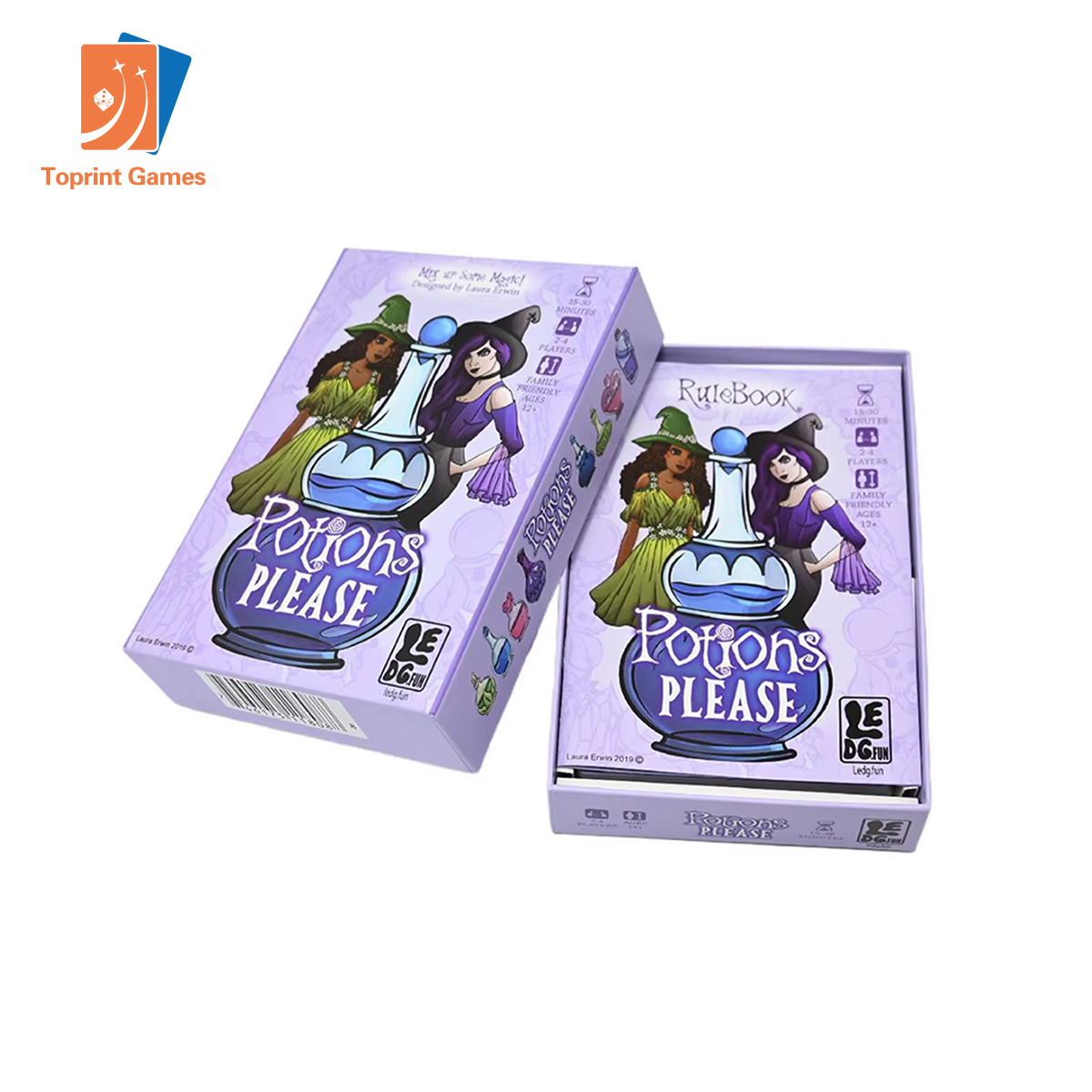
Board game manufacturers operate within one of the most quality-sensitive industries in entertainment and recreation. Every card, die, game piece, and box that leaves the factory reflects the reputation of board game manufacturers and directly impacts customer satisfaction. Quality control on the factory floor is not simply a checkpoint at the end of production—it is an integrated system that begins with raw material selection and continues through every stage of assembly, packaging, and shipping. Understanding what board game manufacturers do to maintain excellence reveals why consistent quality is impossible without rigorous, systematic oversight.
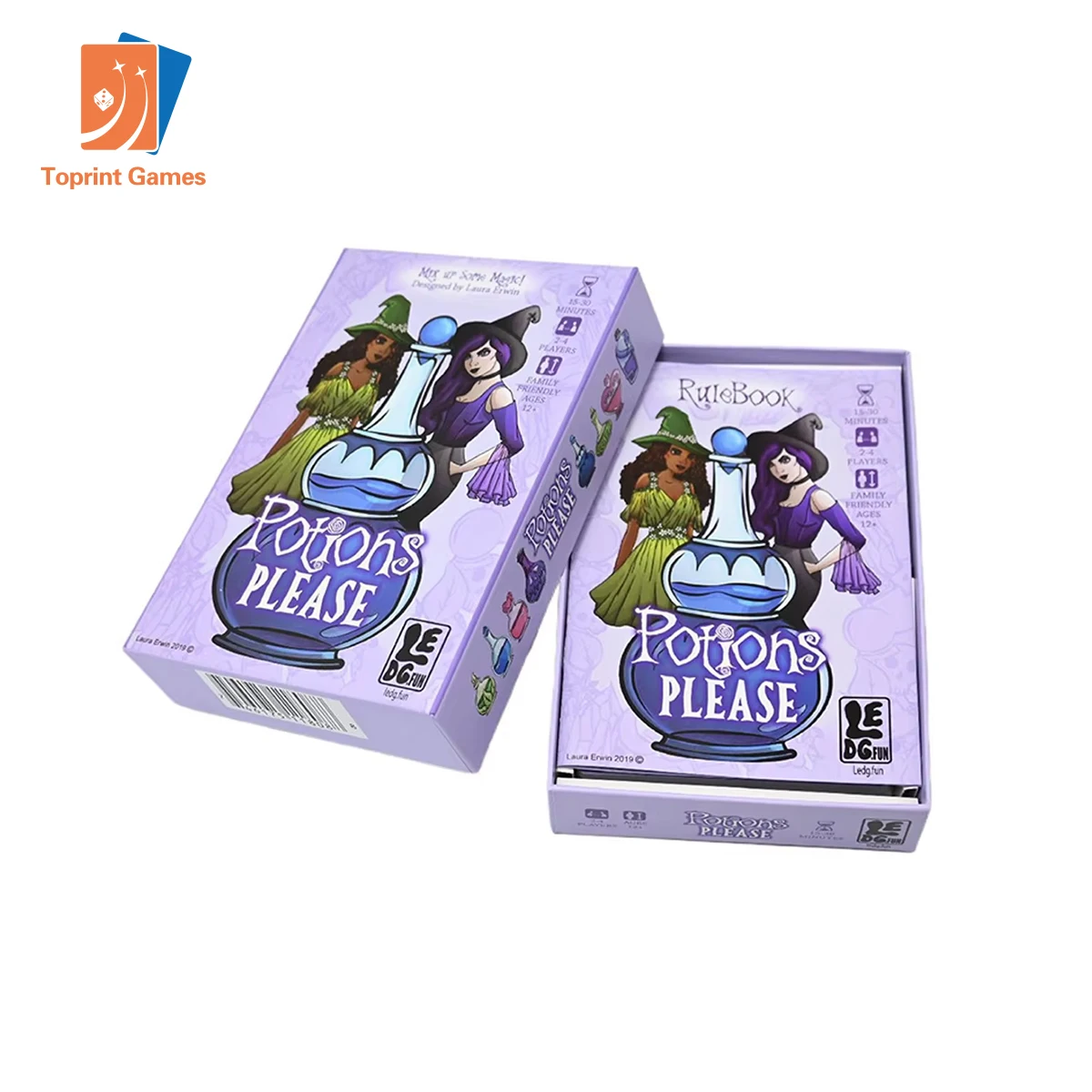
The manufacturing landscape for board games has grown increasingly complex as consumer expectations rise and production volumes scale. Modern board game manufacturers must balance speed, cost efficiency, and defect elimination across multiple production lines. Quality control practices separate premium board game manufacturers from those who cut corners. This article explores the comprehensive quality control systems that leading board game manufacturers implement to ensure every game meets or exceeds customer expectations.
Raw Material Inspection and Supplier Verification
Incoming Material Standards for Board Game Manufacturers
Board game manufacturers begin quality control before production even starts. Every shipment of cardstock, ink, plastic components, and packaging materials undergoes rigorous inspection upon arrival. Board game manufacturers verify that suppliers meet exact specifications for thickness, color accuracy, and material composition. Cardstock weight, finish type, and moisture content are tested using calibrated equipment. Ink samples are evaluated for pigment consistency and adhesion properties. Board game manufacturers maintain detailed supplier scorecards that track defect rates over time, allowing procurement teams to identify and address systemic issues before they reach the production line.
Vendor Qualification Protocols
Leading board game manufacturers establish formal vendor qualification processes that pre-screen all potential suppliers. These protocols include factory audits, quality certifications, and trial production runs. Board game manufacturers require suppliers to provide material safety data sheets, batch traceability documentation, and third-party test certificates. This proactive approach prevents contaminated or substandard materials from entering production. Many board game manufacturers maintain redundant supplier networks to mitigate risk and maintain production continuity without compromising quality standards.
In-Line Production Quality Monitoring
Continuous Inspection During Manufacturing
During active production, board game manufacturers deploy multiple inspection checkpoints across the assembly line. Print quality inspectors examine color registration, ink density, and image sharpness on every batch using spectrophotometers and visual assessment. Board game manufacturers monitor die-cutting precision to ensure components fit together properly. Layer adhesion in multi-layer boards is tested using peel strength measurements. Hole punching, embossing, and folding operations are verified for dimensional accuracy. Automated vision systems now assist many board game manufacturers in detecting surface defects, registration errors, and missing components at speeds that manual inspection cannot match.
Statistical Process Control and Real-Time Data
Progressive board game manufacturers employ statistical process control to identify trends before defects become widespread. Control charts track key variables like ink viscosity, pressure settings, temperature, and humidity levels. Board game manufacturers establish upper and lower control limits for each critical parameter. When measurements drift toward warning thresholds, production teams investigate root causes and make corrective adjustments. Real-time data dashboards allow board game manufacturers to monitor dozens of production metrics simultaneously. This data-driven approach enables board game manufacturers to maintain consistency and catch problems early, reducing waste and rework costs.
Final Assembly, Packaging, and Shipping Verification
Component Assembly and Completeness Checks
As board games move into assembly areas, board game manufacturers implement systematic verification that every component is present and functional. Assembly workstations include checklist systems where workers verify component counts, card quality, die functionality, and board integrity before any game is boxed. Board game manufacturers train assembly staff to identify and flag defective pieces immediately. Sampling protocols require supervisors to perform random spot-checks on finished games, opening and inspecting them as if they were retail customers. This hands-on approach helps board game manufacturers maintain quality culture among production teams and catch assembly errors that automated systems might miss.
Box Sealing, Labeling, and Packaging Integrity
Board game manufacturers recognize that packaging damage during transit represents a significant quality issue. Sealed boxes are inspected for proper closure and integrity. Labels are verified for accurate placement, legibility, and adhesion. Board game manufacturers test box compression strength to ensure games survive stacking and handling during distribution. Protective inserts, foam, and padding are inspected to confirm they secure contents effectively. Many board game manufacturers conduct drop tests and vibration tests on finished, packaged games to simulate real-world shipping conditions. Board game manufacturers also implement batch-level traceability systems where each box is marked with production date and batch codes, allowing rapid recall or investigation if quality issues emerge after product reaches retail channels.
Quality Assurance Beyond the Factory Floor
End-User Testing and Field Feedback Systems
Sophisticated board game manufacturers maintain quality control programs that extend beyond the factory. Pre-release testing involves distributing games to external reviewers and player groups who assess functionality, rule clarity, and overall experience. Board game manufacturers track customer returns, complaints, and social media mentions to identify unexpected quality issues. Feedback loops allow board game manufacturers to investigate field failures and implement design or process improvements for future production runs. This closed-loop quality system ensures that board game manufacturers learn from the market and continuously refine their operations.
Compliance and Industry Standards
Board game manufacturers must comply with safety standards, environmental regulations, and industry guidelines. Testing for toxic materials, sharp edges, and choking hazards is mandatory. Board game manufacturers verify compliance with standards such as ASTM F963 for toy safety and regional regulations like CPSIA in North America or CE marking in Europe. Third-party laboratories perform independent safety audits on finished products. Documentation and certifications prove that board game manufacturers have met all applicable standards. This commitment to compliance protects consumers and shields board game manufacturers from liability risks.
FAQ
What inspection methods do board game manufacturers use to detect print defects?
Board game manufacturers use spectrophotometers to measure color accuracy, densitometers to check ink density, and automated vision systems to scan for registration errors, misalignment, and surface blemishes. Visual inspectors trained in quality standards also examine print samples at regular intervals. Board game manufacturers compare printed output against reference standards to ensure consistency across production runs and batches.
How frequently do board game manufacturers perform quality audits?
Leading board game manufacturers conduct continuous in-line inspection during production shifts and formal audits at shift changes. Daily quality reports document defect rates and trending. Board game manufacturers perform comprehensive audits weekly and conduct full system validations monthly. External third-party audits occur quarterly or annually depending on regulatory requirements and customer contracts. Board game manufacturers use this information to drive continuous improvement and maintain accountability across all production teams.
Can quality issues in board games be traced and addressed after shipping?
Yes, board game manufacturers implement traceability systems using batch codes and production dates printed on every box. If a quality issue emerges in the field, board game manufacturers can identify which production run was affected and investigate root causes. Board game manufacturers can then recall affected inventory, notify retailers, and implement corrective actions. Robust traceability also helps board game manufacturers manage warranty claims and product liability more effectively.