
 EN
EN



When working with professional board game makers, understanding the specialized terminology used in the manufacturing process becomes essential for effective communication and project success. The board game industry employs a unique vocabulary that spans printing techniques, material specifications, component manufacturing, and quality control processes. Whether you are an independent designer bringing your first concept to market or an established publisher expanding your catalog, familiarity with these terms will help you make informed decisions and collaborate more effectively with your manufacturing partners.
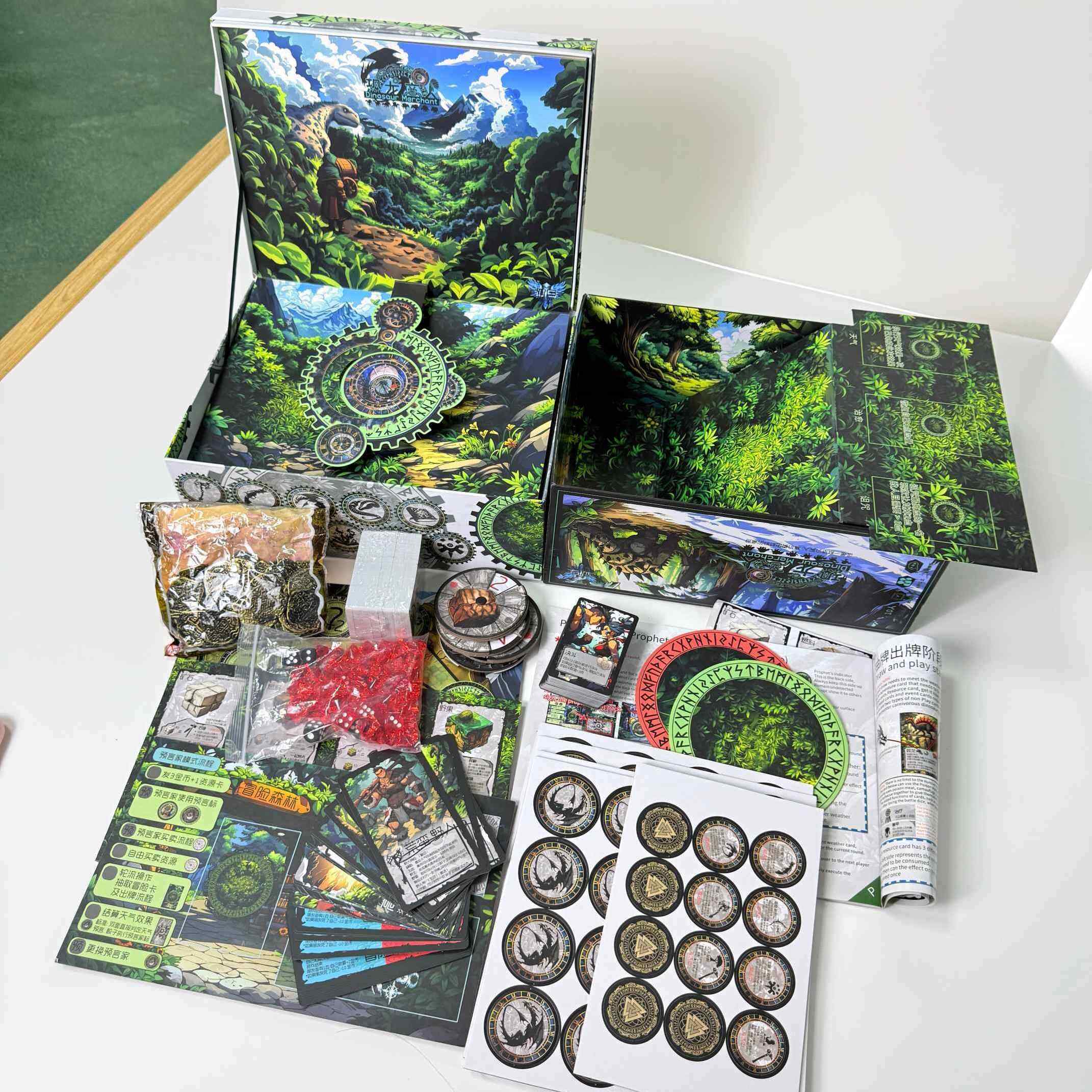
Professional board game makers utilize standardized terminology to ensure precision in manufacturing specifications and quality expectations. This comprehensive glossary covers the most commonly encountered terms that bridge the communication gap between designers and manufacturers. From substrate materials to finishing techniques, each term plays a crucial role in determining the final quality and cost of your board game production.
Printing and Production Terminology
Digital Offset and Print Methods
Digital offset printing represents the primary method used by most board game makers for producing game boards, cards, and instruction materials. This technique combines the quality of traditional offset printing with the flexibility of digital technology, allowing for cost-effective short runs and rapid prototyping. The process involves transferring ink from a plate to a rubber blanket, then onto the printing surface, resulting in consistent color reproduction and sharp detail resolution.
Screen printing serves as an alternative method particularly valuable for specialty applications like game tokens, wooden components, or textured surfaces. Board game makers often recommend screen printing when working with non-paper substrates or when specific ink effects like metallic finishes or raised textures are desired. The process involves pushing ink through a mesh screen onto the substrate, creating vibrant colors and excellent opacity on various materials.
Color Management and Specifications
CMYK color space represents the standard four-color printing process used by professional board game makers, utilizing Cyan, Magenta, Yellow, and Key (black) inks to reproduce the full color spectrum. Understanding CMYK limitations helps designers prepare artwork that translates accurately from screen to print. Colors outside the CMYK gamut may require spot color applications or adjustments during the pre-press process.
Pantone color matching systems provide precise color specifications that ensure consistency across different production runs and manufacturing facilities. When board game makers reference Pantone colors, they guarantee exact color reproduction regardless of when or where the game is printed. This system proves particularly valuable for brand colors, logos, or specific thematic elements that must maintain consistency across multiple game components.
Materials and Substrates
Paper Stock and Cardboard Classifications
Greyboard represents the foundation material for most game boards and boxes, constructed from recycled paper fibers and available in various thicknesses measured in millimeters or points. Board game makers typically offer greyboard options ranging from 1.5mm for game boards to 3mm for sturdy box construction. The density and rigidity of greyboard directly impact the perceived quality and durability of the finished product.
Linen finish cardstock provides a premium tactile experience for cards and components, featuring a subtle textured surface that enhances grip and reduces glare. This specialty paper stock costs more than standard smooth cardstock but delivers superior handling characteristics and professional appearance. Board game makers often recommend linen finish for games where card handling forms a central gameplay mechanic.
Specialty Component Materials
Acrylic materials offer transparency, durability, and precision for specialized game components like standees, tokens, or overlay sheets. Board game makers utilize laser cutting and engraving techniques to create intricate acrylic components with smooth edges and precise dimensions. The material accepts various printing methods and can be combined with other substrates for unique visual effects.
Wooden components provide tactile appeal and premium aesthetics for meeples, tokens, and dice. Different wood species offer varying characteristics in terms of grain pattern, hardness, and color acceptance. Board game makers typically work with birch, maple, or beech woods that offer consistent density and smooth finishing properties. Laser engraving and screen printing techniques adapt well to wooden substrates for adding symbols, text, or decorative elements.
Finishing and Enhancement Processes
Lamination and Protective Coatings
Matt lamination provides a non-reflective surface finish that reduces glare and fingerprint visibility while adding durability to frequently handled components. Board game makers apply matt lamination to game boards, card surfaces, and instruction booklets to enhance longevity and maintain visual clarity under various lighting conditions. The process involves adhering a thin plastic film to the printed surface using heat and pressure.
Gloss lamination creates a shiny, reflective surface that intensifies colors and provides excellent protection against moisture and wear. This finish works particularly well for game boxes and components where visual impact takes priority over glare reduction. Board game makers often combine gloss and matt finishes within the same product to create visual contrast and highlight specific design elements.
Special Effects and Embellishments
Spot UV coating applies a high-gloss, raised finish to specific areas of printed materials, creating tactile and visual contrast against matt or uncoated surfaces. Board game makers utilize spot UV for logos, borders, or decorative elements that benefit from enhanced prominence. The selective application process requires precise registration and adds significant visual appeal to premium game editions.
Foil stamping incorporates metallic or colored foil elements into printed materials through heat and pressure application. Gold, silver, and specialty foils create luxury aesthetics that distinguish premium products in the marketplace. Board game makers recommend foil stamping for titles, logos, or accent elements where metallic effects enhance the overall design theme.
Quality Control and Production Standards
Tolerance and Precision Requirements
Die cutting precision determines the accuracy of component shapes and affects how pieces fit together or interact during gameplay. Board game makers maintain strict tolerance standards, typically within 0.1mm for critical dimensions, to ensure consistent component performance. Proper die maintenance and calibration prevent issues like rough edges, incomplete cuts, or dimensional variations that could impact game functionality.
Registration accuracy refers to the precise alignment of multiple printing passes or finishing processes on the same substrate. Perfect registration ensures that colors align properly, text remains readable, and decorative elements appear in their intended positions. Board game makers monitor registration throughout production runs to maintain quality standards and prevent costly reprints.
Assembly and Packaging Considerations
Shrink wrapping provides tamper-evident packaging protection while allowing product visibility at retail. Board game makers utilize various shrink film materials and application techniques depending on box dimensions, environmental requirements, and distribution channels. Proper shrink application prevents damage during shipping while maintaining an attractive retail presentation.
Insert design and manufacturing require precise engineering to organize components efficiently while protecting them during shipping and storage. Board game makers create custom insert solutions using vacuum-formed plastic, die-cut cardboard, or molded pulp materials. Well-designed inserts reduce setup time, prevent component damage, and enhance the overall user experience.
Cost Factors and Production Planning
Volume Economics and Pricing Structure
Minimum order quantities significantly impact per-unit costs, with board game makers typically offering the best pricing for runs exceeding 1,000 units. Setup costs for printing plates, dies, and tooling are amortized across the entire production run, making larger quantities more economical. Understanding volume breaks helps designers plan production schedules and manage cash flow effectively.
Tooling costs encompass the creation of cutting dies, printing plates, and specialized equipment required for unique components. Board game makers invest in custom tooling for each project, and these costs must be factored into the overall production budget. Standardizing component sizes and shapes across multiple games can help spread tooling costs and reduce per-unit expenses.
Timeline and Scheduling Factors
Lead times vary significantly based on production complexity, material availability, and factory scheduling. Board game makers typically require 4-8 weeks for standard production runs, with additional time needed for specialty finishes, custom components, or quality inspections. Planning production schedules around industry peak seasons and material supply chains prevents delays and ensures timely product delivery.
Proofing cycles allow designers to review and approve samples before full production begins. Board game makers provide various proof types, from digital proofs for color verification to physical prototypes for component testing. Proper proofing prevents costly production errors and ensures the final product meets design specifications and quality expectations.
FAQ
What is the difference between digital and offset printing for board games
Digital printing offers flexibility for short runs and quick turnaround times, making it ideal for prototypes and small batch productions. Offset printing provides superior color consistency and cost efficiency for larger quantities, typically becoming more economical at volumes exceeding 500-1000 units. Board game makers choose the appropriate method based on quantity requirements, budget constraints, and timeline considerations.
How do I ensure color accuracy when working with board game makers
Color accuracy requires proper file preparation using CMYK color profiles and Pantone color specifications for critical elements. Request printed proofs rather than relying solely on digital proofs, as monitor displays cannot accurately represent final print colors. Work closely with your board game makers during the proofing process to address any color concerns before full production begins.
What factors most significantly impact board game production costs
Production quantity represents the primary cost driver, with per-unit costs decreasing significantly as volumes increase due to setup cost amortization. Component complexity, specialty materials, and custom finishes add substantial costs compared to standard options. Board game makers can provide detailed cost breakdowns to help optimize designs for target price points while maintaining quality standards.
How long should I expect the production process to take
Standard board game production typically requires 6-10 weeks from final artwork approval to finished goods delivery, including proofing cycles and shipping time. Complex games with custom components, specialty finishes, or multiple manufacturing stages may require 12-16 weeks or longer. Board game makers recommend planning production schedules well in advance of target launch dates to accommodate potential delays or quality issues.