
 EN
EN


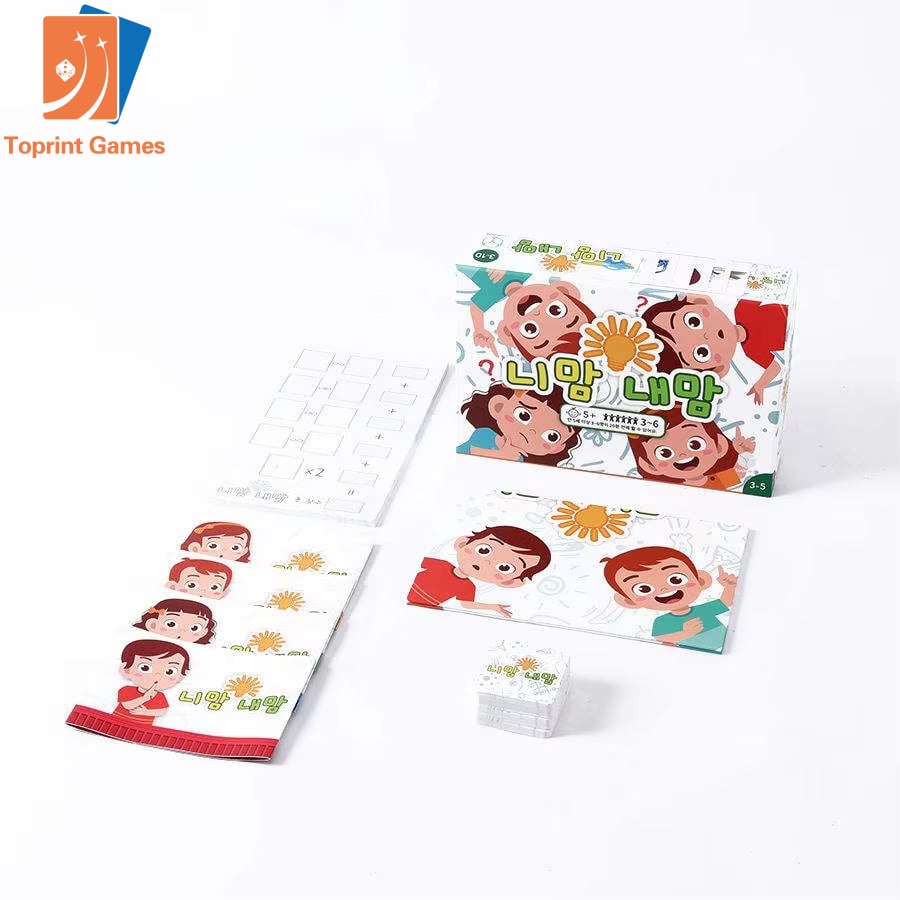
The modern tabletop gaming industry has witnessed unprecedented growth, with card games leading the charge in innovation and player engagement. When developing a unique card game concept, partnering with an experienced card game manufacturer becomes crucial for transforming creative visions into tangible, marketable products. Professional manufacturers offer comprehensive solutions that encompass everything from initial prototyping to mass production, ensuring that game creators can focus on gameplay mechanics while experts handle the technical manufacturing aspects.

The selection of packaging, finishing techniques, and premium enhancements significantly impacts both the perceived value and market success of custom card games. Today's consumers expect high-quality presentation that matches the sophistication of gameplay, making manufacturing choices critical business decisions. Understanding the various options available for boxes, foil applications, and embossing techniques enables game developers to create products that stand out in competitive retail environments while maintaining cost-effectiveness.
Premium Box Manufacturing Solutions
Rigid Box Construction Techniques
Professional card game manufacturers employ sophisticated rigid box construction methods that provide superior durability and premium presentation. These techniques involve multiple layers of high-grade cardboard, precisely cut and assembled to create sturdy, long-lasting packaging that protects game components during shipping and storage. The manufacturing process typically utilizes specialized machinery that ensures consistent dimensions and structural integrity across large production runs.
Advanced rigid box designs incorporate internal compartments and custom-fitted inserts that organize cards, tokens, and accessories effectively. A skilled card game manufacturer understands how proper component organization enhances the unboxing experience and contributes to positive customer reviews. The selection of appropriate adhesives, corner reinforcements, and closure mechanisms directly impacts the longevity and functionality of the finished product.
Magnetic Closure Systems
Modern card game packaging increasingly features magnetic closure systems that provide both security and premium tactile feedback when opening and closing boxes. These closure mechanisms require precise engineering to ensure proper alignment and adequate magnetic strength without compromising the box's structural integrity. Experienced manufacturers utilize high-quality neodymium magnets embedded within the box structure, creating an invisible yet highly effective closure system.
The implementation of magnetic closures requires careful consideration of box thickness, material composition, and magnet placement to achieve optimal functionality. Professional card game manufacturer services include detailed prototyping phases where closure strength and alignment are tested and refined. This attention to detail ensures that the final product delivers the satisfying snap closure that customers associate with premium gaming products.
Advanced Foil Application Techniques
Hot Foil Stamping Methods
Hot foil stamping represents one of the most effective methods for adding metallic accents and visual appeal to card game packaging and components. This process involves applying heat-activated metallic foils to specific areas of printed materials using precisely controlled temperature and pressure. Professional manufacturers maintain extensive inventories of foil colors, including gold, silver, copper, holographic, and specialty finishes that create stunning visual effects under various lighting conditions.
The hot foil stamping process requires specialized equipment and experienced technicians who understand the relationship between substrate materials, foil types, and application parameters. A reputable card game manufacturer invests in high-precision foiling machinery capable of achieving registration accuracy within thousandths of an inch. This precision ensures that foil applications align perfectly with printed graphics, creating professional results that enhance brand perception and product value.
Cold Foil Transfer Applications
Cold foil transfer technology offers alternative approaches for applying metallic finishes to card game materials, particularly when dealing with heat-sensitive substrates or large coverage areas. This method utilizes adhesive-based systems that bond metallic foils to printed surfaces without requiring elevated temperatures. The process enables manufacturers to achieve consistent coverage across extensive areas while maintaining fine detail resolution in intricate design elements.
Professional card game manufacturers utilize cold foil systems for applications where hot stamping might compromise material integrity or where production efficiency demands higher processing speeds. The technology proves particularly valuable when creating holographic effects, rainbow finishes, or multi-color foil applications that would be challenging to achieve through traditional hot stamping methods. Quality control processes ensure consistent adhesion and durability across all foiled surfaces.
Embossing and Debossing Techniques
Blind Embossing Applications
Blind embossing creates raised relief patterns on card game packaging and components without the addition of ink or foil, relying solely on dimensional changes to create visual and tactile interest. This technique proves particularly effective for subtle branding elements, texture creation, and premium finishing touches that communicate quality through touch sensation. The process requires custom-made dies that are precisely engineered to achieve consistent results across large production quantities.
Skilled card game manufacturer operations maintain comprehensive die-making capabilities that enable the creation of complex embossed patterns, logos, and decorative elements. The embossing process must be carefully calibrated to achieve optimal depth and definition while avoiding material damage or structural weakness. Quality embossing enhances the perceived value of card games and creates memorable tactile experiences that differentiate products in competitive markets.
Combination Foil and Emboss Techniques
The combination of foil application and embossing techniques creates premium finishing effects that maximize visual impact and perceived value. This process involves sequential operations where embossed areas receive foil applications, resulting in raised metallic elements that catch light dramatically and provide rich tactile feedback. The coordination between embossing and foiling operations requires precise registration and timing to achieve professional results.
Professional manufacturers coordinate these complex finishing processes through advanced production planning and quality control systems. The sequencing of operations, die design considerations, and material handling procedures all contribute to successful combination finishes. Experienced card game manufacturer teams understand how different substrates respond to combined processing and adjust parameters accordingly to ensure consistent, high-quality results throughout production runs.
Material Selection and Quality Considerations
Substrate Compatibility Analysis
The selection of appropriate substrate materials forms the foundation of successful card game manufacturing, directly impacting the effectiveness of finishing techniques and overall product durability. Different cardboard weights, surface treatments, and fiber compositions respond differently to embossing pressures, foil adhesion, and structural stresses encountered during packaging and shipping. Professional manufacturers conduct comprehensive testing to identify optimal material combinations for specific design requirements.
Advanced card game manufacturer facilities maintain material testing laboratories where substrate samples undergo rigorous evaluation for dimensional stability, surface receptivity, and structural integrity under various processing conditions. This testing ensures that selected materials will perform consistently throughout production and provide adequate durability for end-user applications. The relationship between material costs and performance characteristics guides informed decision-making for budget-conscious projects.
Environmental Impact Considerations
Modern card game manufacturing increasingly emphasizes sustainable material choices and environmentally responsible production practices. Professional manufacturers source recycled content cardboards, vegetable-based inks, and eco-friendly adhesives that reduce environmental impact without compromising product quality or visual appeal. These sustainable options often require modifications to standard processing parameters but deliver equivalent performance when properly implemented.
Responsible card game manufacturer operations implement comprehensive recycling programs for production waste and utilize energy-efficient equipment to minimize carbon footprints. The development of biodegradable packaging options and reduced material consumption through optimized design practices demonstrates industry commitment to environmental stewardship. These sustainable approaches increasingly influence purchasing decisions as consumers become more environmentally conscious.
Production Planning and Quality Control
Prototype Development Processes
Comprehensive prototype development ensures that card game designs translate effectively from concepts to finished products, identifying potential manufacturing challenges before committing to large-scale production. Professional manufacturers utilize rapid prototyping equipment and small-batch production capabilities to create accurate representations of proposed designs. These prototypes enable thorough evaluation of finishing techniques, material performance, and overall aesthetic appeal.
The prototype phase allows card game manufacturer teams to test various combinations of materials, finishes, and construction techniques to optimize both cost and quality. Detailed documentation of prototype specifications, performance testing results, and client feedback guides refinements that improve final product outcomes. This iterative approach minimizes production risks and ensures that mass production delivers results that meet or exceed expectations.
Quality Assurance Standards
Rigorous quality assurance protocols ensure consistent results across all aspects of card game manufacturing, from initial material inspection through final product packaging. Professional facilities implement multi-stage inspection processes that evaluate dimensional accuracy, finish quality, and structural integrity at critical production points. These quality control measures prevent defective products from reaching customers and maintain brand reputation.
Experienced card game manufacturer operations utilize statistical process control methods to monitor production variables and identify trends that might indicate equipment adjustments or material changes. Documentation systems track quality metrics throughout production runs, enabling continuous improvement initiatives and rapid response to quality issues. This systematic approach to quality management ensures reliable delivery of products that consistently meet specified requirements.
Cost Optimization Strategies
Volume-Based Pricing Considerations
Understanding the relationship between production quantities and per-unit costs enables informed decision-making when planning card game manufacturing projects. Professional manufacturers typically offer tiered pricing structures that reflect economies of scale, with significant cost reductions available for larger production runs. However, the optimal order quantity must balance unit cost savings against inventory carrying costs and market demand projections.
Experienced card game manufacturer representatives provide detailed cost analysis that considers setup charges, material utilization efficiency, and labor allocation across different quantity levels. This analysis helps clients identify break-even points for premium finishing options and determine whether enhanced packaging features justify their additional costs. Strategic production planning can significantly impact overall project profitability and market competitiveness.
Design Efficiency Optimization
Thoughtful design decisions can substantially reduce manufacturing costs while maintaining visual appeal and functional requirements. Professional manufacturers offer design consultation services that identify opportunities for material optimization, process simplification, and waste reduction. These optimizations often involve subtle modifications that are invisible to end users but create meaningful cost savings during production.
Collaborative design review processes between clients and card game manufacturer technical teams frequently reveal alternative approaches that achieve desired aesthetic goals more efficiently. Standard die sizes, common material specifications, and established finishing processes typically offer cost advantages over completely custom solutions. Balancing creative vision with manufacturing realities ensures successful project outcomes within budget constraints.
Market Positioning and Competitive Advantages
Premium Positioning Strategies
Strategic use of advanced finishing techniques and premium materials enables card games to command higher retail prices and appeal to discerning consumer segments. Professional packaging design communicates product value before customers interact with actual gameplay, influencing purchasing decisions and brand perception. The investment in superior manufacturing quality often generates returns through improved margins and customer loyalty.
Successful card game manufacturer partnerships help clients understand how packaging choices impact market positioning and competitive differentiation. Premium finishes like foil stamping, embossing, and magnetic closures create tangible value propositions that justify higher price points. The challenge lies in optimizing the balance between enhanced features and cost control to maintain profitability while achieving desired market positioning.
Retail Environment Considerations
Card game packaging must perform effectively in diverse retail environments, from specialty game stores to mass market retailers, each with different display requirements and customer expectations. Professional packaging design considers factors such as shelf presence, stacking stability, and visual impact under various lighting conditions. These environmental factors influence material selection and finishing technique choices.
Experienced card game manufacturer teams understand retail dynamics and can recommend packaging solutions that maximize shelf appeal while maintaining cost effectiveness. The ability to create eye-catching displays that attract customer attention in crowded retail environments directly impacts sales success. Packaging durability must also withstand handling by retail staff and customers during the sales process.
FAQ
What factors should I consider when selecting a card game manufacturer for premium finishing options
When choosing a card game manufacturer for premium finishing work, evaluate their equipment capabilities, experience with similar projects, and quality control processes. Look for manufacturers with dedicated foiling and embossing equipment, comprehensive material testing facilities, and documented quality assurance procedures. Request samples of previous work and references from satisfied clients to assess their ability to deliver consistent, high-quality results.
How do different box construction methods affect manufacturing costs and timelines
Rigid box construction typically requires longer production times and higher costs compared to folding carton options, but provides superior durability and premium presentation. Magnetic closure systems add complexity and cost but enhance perceived value significantly. Work with your card game manufacturer to understand the trade-offs between different construction methods and select options that align with your budget and market positioning goals.
What are the minimum order quantities typically required for custom foil and embossing work
Minimum order quantities for custom finishing work vary significantly among manufacturers but typically range from 1,000 to 5,000 units for cost-effective production. Setup costs for custom dies and foil applications represent significant fixed expenses that must be amortized across production quantities. Discuss quantity requirements early in the planning process to ensure your project volume aligns with the card game manufacturer capabilities and pricing structure.
How can I optimize packaging design to reduce manufacturing costs without compromising quality
Optimize costs by utilizing standard die sizes, common material specifications, and established finishing processes where possible. Work collaboratively with your card game manufacturer during the design phase to identify opportunities for material efficiency and process simplification. Strategic design decisions such as selective foil application rather than full coverage can achieve dramatic visual impact while controlling costs effectively.
Table of Contents
- Premium Box Manufacturing Solutions
- Advanced Foil Application Techniques
- Embossing and Debossing Techniques
- Material Selection and Quality Considerations
- Production Planning and Quality Control
- Cost Optimization Strategies
- Market Positioning and Competitive Advantages
-
FAQ
- What factors should I consider when selecting a card game manufacturer for premium finishing options
- How do different box construction methods affect manufacturing costs and timelines
- What are the minimum order quantities typically required for custom foil and embossing work
- How can I optimize packaging design to reduce manufacturing costs without compromising quality