
 EN
EN



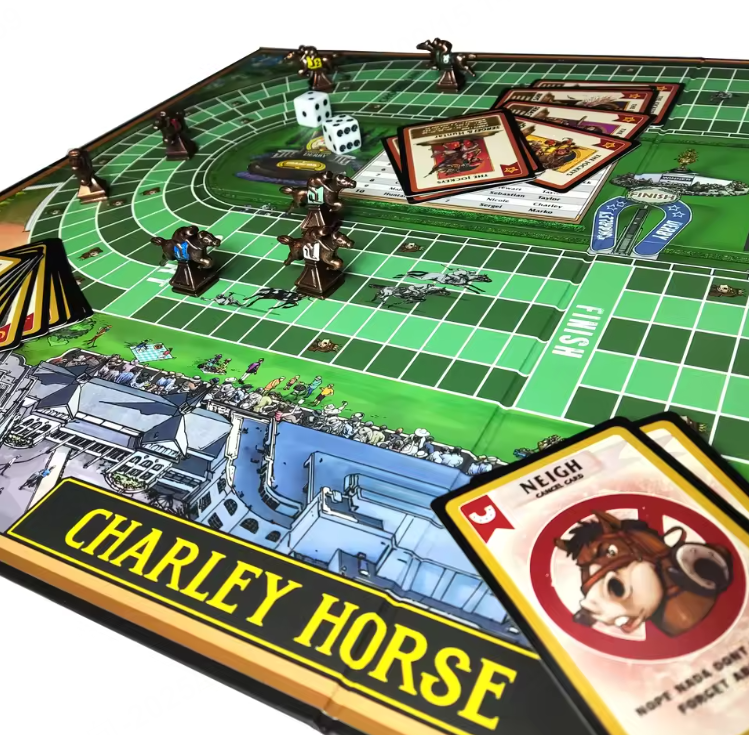
The custom card game industry has experienced tremendous growth over the past decade, with independent designers and established companies seeking professional card game manufacturers to bring their creative visions to life. Whether you're developing a strategic trading card game, a family-friendly party game, or a complex collectible card system, understanding the manufacturing process is crucial for success. Professional card game manufacturers offer comprehensive services from initial concept development through final production, ensuring your game meets both quality standards and market expectations.
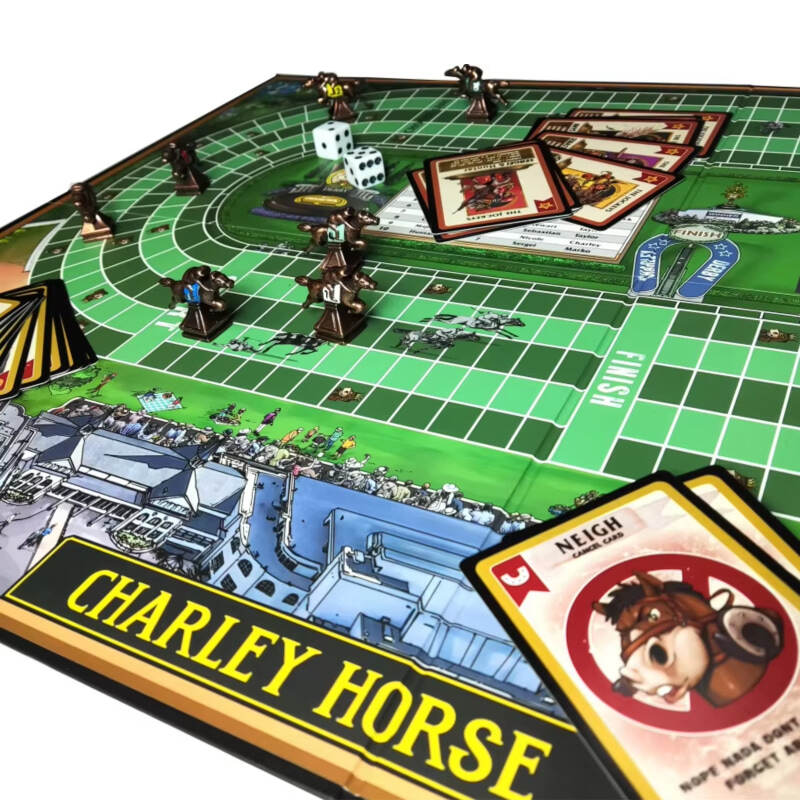
Understanding the Card Game Manufacturing Landscape
Types of Card Game Production Services
Modern card game manufacturers provide diverse production options tailored to different project requirements and budgets. Print-on-demand services cater to small-scale designers testing market viability, while large-scale manufacturers handle bulk orders for established publishers. Digital printing technology enables short runs with quick turnaround times, making it ideal for prototyping and limited editions. Offset printing remains the preferred method for large quantities, offering superior color consistency and cost-effectiveness for runs exceeding 1,000 units.
Specialty manufacturers focus on premium features like foil stamping, embossing, and unique card stocks that enhance gameplay experience. These advanced techniques require specialized equipment and expertise, making manufacturer selection critical for games requiring distinctive visual elements. Understanding these production categories helps designers choose appropriate partners aligned with their project scope and quality expectations.
Quality Standards and Certifications
Reputable card game manufacturers maintain strict quality control systems and industry certifications to ensure consistent product excellence. ISO 9001 certification demonstrates commitment to quality management systems, while FSC certification indicates responsible forest management practices for paper sourcing. These certifications provide assurance that manufacturing processes meet international standards for both quality and environmental responsibility.
Quality control encompasses multiple stages, from material inspection through final packaging. Advanced manufacturers employ color management systems to maintain consistency across print runs, while implementing rigorous testing protocols for card durability and shuffle performance. Understanding these quality measures helps game designers evaluate potential manufacturing partners and establish realistic expectations for their projects.
Design Development and Pre-Production Process
Concept to Prototype Journey
The journey from initial concept to finished prototype involves multiple collaborative stages between designers and manufacturers. Initial consultations focus on understanding game mechanics, target audience, and budget constraints. Experienced card game manufacturers provide valuable insights into design optimization, material selection, and production feasibility during these early discussions.
Prototype development typically begins with digital mockups and progresses through multiple physical iterations. Manufacturers utilize advanced software for layout optimization and color calibration, ensuring designs translate effectively to physical cards. This iterative process allows for refinements in artwork, text clarity, and overall visual appeal before committing to full production runs.
File Preparation and Technical Specifications
Professional file preparation forms the foundation of successful card game production, requiring adherence to specific technical guidelines and industry standards. Manufacturers typically require high-resolution artwork files in CMYK color mode, with proper bleed margins and safety zones for text placement. Understanding these technical requirements prevents costly delays and ensures optimal print quality throughout the production process.
Advanced manufacturers provide detailed specification sheets outlining acceptable file formats, resolution requirements, and color profiles. These guidelines help designers prepare artwork that maximizes print quality while minimizing production complications. Collaboration during file preparation stage often reveals opportunities for cost optimization without compromising visual impact or gameplay functionality.
Material Selection and Card Construction
Paper Stock and Coating Options
Material selection significantly impacts both gameplay experience and production costs, making it essential to understand available options and their implications. Standard playing card stock typically ranges from 270gsm to 350gsm, with heavier weights providing enhanced durability and premium feel. Linen finish adds texture that improves shuffling performance and reduces fingerprint visibility, while smooth finishes optimize print clarity for detailed artwork.
Coating options include aqueous, UV, and laminate treatments, each offering distinct advantages for different game types. Aqueous coatings provide basic protection while maintaining natural card feel, making them suitable for games requiring frequent handling. UV coatings offer superior durability and vibrant color enhancement, ideal for collectible cards requiring long-term preservation. Understanding these material characteristics helps designers balance cost, durability, and aesthetic preferences.
Specialized Finishing Techniques
Premium card games often incorporate specialized finishing techniques that enhance visual appeal and gameplay experience. Foil stamping creates eye-catching metallic accents that highlight important game elements or branding. Embossing adds tactile dimension to card surfaces, creating memorable touch experiences that distinguish premium products from standard offerings. These techniques require additional production time and specialized equipment, impacting both cost and scheduling considerations.
Spot UV application allows for selective gloss effects that create visual contrast and highlight specific design elements. Holographic foils provide unique visual effects that change appearance based on viewing angle, popular in collectible card applications. While these premium features increase production costs, they can significantly enhance perceived value and market positioning for specialized game products.
Production Planning and Timeline Management
Order Quantity Considerations
Production quantities significantly influence manufacturing costs, timeline requirements, and logistical considerations for card game projects. Minimum order quantities vary among manufacturers, typically ranging from 500 to 5,000 units for custom projects. Higher quantities achieve better per-unit pricing through economies of scale, but require larger upfront investments and increased inventory management responsibilities.
Strategic quantity planning involves analyzing market demand projections, storage capacity, and cash flow requirements. Many successful game designers start with moderate quantities to test market reception before committing to larger production runs. Card game manufacturers often provide quantity break pricing that reveals optimal order sizes balancing cost efficiency with risk management considerations.
Production Scheduling and Lead Times
Manufacturing lead times vary considerably based on order complexity, quantity, and seasonal demand patterns. Standard production typically requires 2-4 weeks for digital printing and 4-8 weeks for offset printing, with additional time needed for specialized finishing techniques. Peak seasons, particularly before major trade shows and holiday periods, often extend lead times significantly due to increased industry demand.
Effective timeline management requires coordination between design finalization, material procurement, production scheduling, and shipping logistics. Experienced manufacturers provide detailed production schedules that outline milestone dates and potential delay factors. Building buffer time into project timelines accommodates unforeseen complications while ensuring products arrive when needed for marketing campaigns or retail launches.
Cost Analysis and Budget Planning
Understanding Manufacturing Pricing Structure
Card game manufacturing costs involve multiple components that vary based on specifications, quantities, and service requirements. Setup fees cover plate creation, color calibration, and initial press preparation, typically ranging from $200 to $1,000 depending on complexity. Per-unit costs decrease substantially with higher quantities, making volume planning crucial for budget optimization.
Material costs fluctuate based on paper stock selection, coating options, and specialized finishing techniques. Standard playing card stock represents the most economical choice, while premium materials and finishes can double or triple production costs. Understanding these cost drivers enables informed decisions about feature priorities and budget allocation throughout the design process.
Hidden Costs and Additional Considerations
Manufacturing budgets must account for various additional costs beyond basic production fees. Shipping charges vary significantly based on order size, destination, and delivery timeline requirements. International shipping often involves customs duties and handling fees that can substantially impact total project costs, particularly for overseas manufacturing partnerships.
Packaging requirements represent another significant cost consideration often overlooked during initial planning. Custom tuck boxes, shrink wrapping, and display packaging add both cost and visual appeal to finished products. Quality control services, expedited production, and revision fees can also impact final project costs, making comprehensive budget planning essential for successful project completion.
Quality Control and Testing Procedures
Pre-Production Quality Assurance
Comprehensive quality control begins during pre-production phases with thorough review of artwork files, color proofs, and material samples. Digital color proofs provide accurate representation of expected print results, allowing designers to make necessary adjustments before production begins. Physical material samples enable evaluation of card feel, thickness, and finish characteristics that impact gameplay experience.
Professional card game manufacturers maintain calibrated color management systems that ensure consistency between digital designs and printed results. Press checks during initial production runs allow real-time quality verification and immediate correction of any printing issues. These quality control measures prevent costly reprints while ensuring final products meet established specifications and expectations.
Post-Production Testing and Validation
Post-production quality control involves systematic testing of printed cards for durability, shuffling performance, and visual consistency. Standardized testing procedures evaluate card flexibility, corner durability, and surface coating integrity under simulated gameplay conditions. These tests ensure products withstand intended use patterns while maintaining visual appeal throughout their expected lifespan.
Random sampling protocols verify consistency across entire production runs, identifying potential variations in color, cutting accuracy, or material quality. Final inspection procedures examine packaging integrity, component completeness, and overall presentation quality. Comprehensive quality documentation provides traceability and supports warranty claims while demonstrating manufacturer commitment to excellence.
FAQ
What minimum order quantities do card game manufacturers typically require
Most professional card game manufacturers require minimum orders between 500 and 2,000 units for custom projects, though some specialty producers accept smaller quantities at premium pricing. Digital printing services often accommodate orders as small as 100-250 units, making them ideal for prototyping and market testing. Minimum quantities vary based on card specifications, finishing requirements, and manufacturer capabilities.
How long does the typical card game manufacturing process take from approval to delivery
Standard manufacturing timelines range from 2-3 weeks for simple digital printing projects to 6-8 weeks for complex offset printing with specialized finishes. International shipping adds 1-2 weeks to delivery schedules, while air freight can reduce shipping time to 3-7 days at significantly higher cost. Peak season demand during trade show periods and holidays can extend lead times by 2-4 weeks.
What file formats and specifications do manufacturers require for card artwork
Professional manufacturers typically require high-resolution PDF files with CMYK color profiles, 300 DPI resolution, and proper bleed margins extending 0.125 inches beyond final card dimensions. Vector-based artwork in Adobe Illustrator format is preferred for text and simple graphics, while high-resolution raster images work best for complex illustrations and photographs. Specific color profiles and technical guidelines vary among manufacturers.
Can manufacturers help with game design and development beyond printing services
Many established card game manufacturers offer comprehensive design support services including graphic design assistance, gameplay consultation, and market analysis. These value-added services help optimize game mechanics for manufacturability while ensuring visual designs translate effectively to printed cards. Some manufacturers maintain partnerships with independent designers and consultants who provide specialized expertise in game development and marketing strategy.
Table of Contents
- Understanding the Card Game Manufacturing Landscape
- Design Development and Pre-Production Process
- Material Selection and Card Construction
- Production Planning and Timeline Management
- Cost Analysis and Budget Planning
- Quality Control and Testing Procedures
-
FAQ
- What minimum order quantities do card game manufacturers typically require
- How long does the typical card game manufacturing process take from approval to delivery
- What file formats and specifications do manufacturers require for card artwork
- Can manufacturers help with game design and development beyond printing services