
 EN
EN


Creating your first custom board game represents an exciting journey into the world of tabletop entertainment and strategic design. Whether you're developing a game for family gatherings, educational purposes, or commercial distribution, the process requires careful consideration of mechanics, artwork, and player engagement. A well-designed custom board game combines compelling gameplay with visual appeal to create memorable experiences that keep players returning to the table time and again.
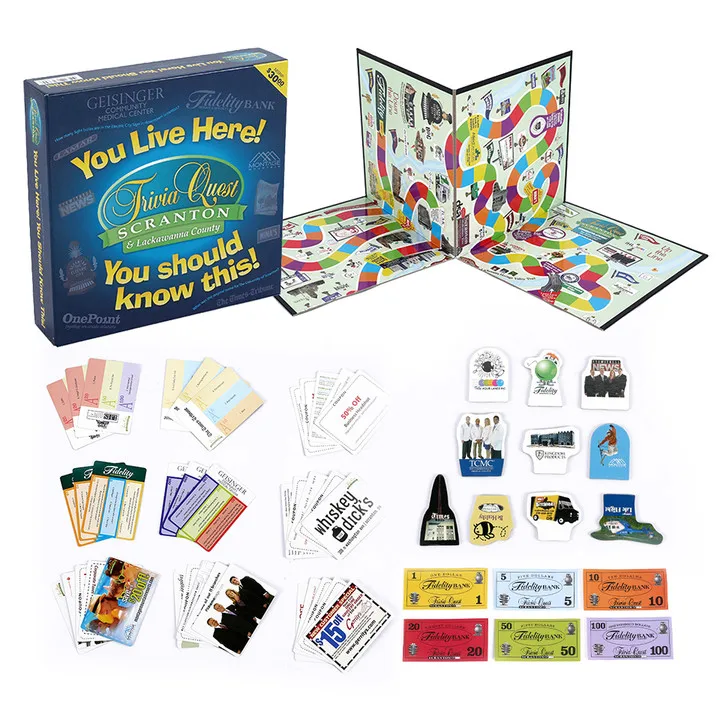
The modern board gaming industry has experienced tremendous growth, with designers increasingly turning to custom solutions to bring their creative visions to life. Understanding the fundamental principles of game design, from initial concept to final production, empowers creators to develop engaging and marketable products. This comprehensive guide explores essential design considerations, manufacturing insights, and practical tips for successfully launching your custom board game project.
Understanding Core Game Mechanics
Establishing Your Game's Foundation
Every successful custom board game begins with a solid mechanical foundation that defines how players interact with the game world. The core mechanics serve as the engine driving player decisions and creating meaningful choices throughout gameplay. Consider whether your game will focus on strategy, luck, negotiation, or cooperative elements, as this decision influences every subsequent design choice from component selection to artwork style.
Player count and game duration significantly impact mechanical design decisions. A game designed for 2-4 players requires different balancing considerations than one accommodating larger groups. Similarly, a 30-minute game demands tighter mechanics and faster decision-making compared to epic 3-hour experiences. Define these parameters early in the design process to maintain focus and ensure consistent player experiences across different gaming sessions.
Balancing Complexity and Accessibility
Striking the right balance between strategic depth and accessibility determines your game's potential audience and long-term success. Complex mechanics can provide rich decision-making opportunities but may alienate casual players or families seeking lighter entertainment. Consider implementing layered complexity through optional advanced rules or modular components that allow players to customize their experience based on skill level and preferences.
Playtesting with diverse groups reveals how different player types respond to your mechanical choices. Experienced gamers might appreciate intricate systems and multiple victory paths, while newcomers often prefer straightforward rules with clear objectives. Document player feedback carefully and iterate on mechanics that consistently cause confusion or frustration during testing sessions.
Visual Design and Artwork Considerations
Creating Compelling Visual Identity
The visual presentation of your custom board game serves as the first impression for potential players and significantly influences purchasing decisions. Develop a cohesive visual theme that reinforces your game's setting and mechanics while appealing to your target demographic. Color palettes, typography choices, and illustration styles should work harmoniously to create an immediately recognizable brand identity that stands out in crowded retail environments.
Consider the practical implications of your artistic choices on manufacturing costs and production timelines. Complex illustrations with multiple colors increase printing expenses, while simpler designs often prove more cost-effective for initial production runs. Balance visual impact with budget constraints by strategically placing detailed artwork on key components like the game board and card faces while using simpler designs for tokens and reference materials.
Optimizing Component Design for Functionality
Functional design principles ensure that your game's visual elements enhance rather than hinder gameplay. Card layouts should prioritize information hierarchy, placing the most important game text in easily readable fonts and sizes. Game boards require clear pathways, distinct zones, and intuitive iconography that players can quickly understand without constant reference to the rulebook.
Component durability considerations influence both material selection and graphic design choices. High-traffic areas of game boards and frequently handled cards benefit from reinforced designs and protective coatings. Plan for wear patterns by avoiding critical information placement in areas subject to heavy handling or folding stress.
Material Selection and Manufacturing Processes
Choosing Appropriate Materials for Each Component
Material selection directly impacts both the tactile experience and production costs of your custom board game. Game boards typically utilize sturdy cardboard or chipboard construction, with thicker materials providing better durability but increasing shipping costs and retail prices. Cards benefit from quality cardstock with smooth finishes that shuffle easily and resist wear from repeated handling.
Wooden components offer premium feel and durability but command higher manufacturing costs compared to plastic or cardboard alternatives. Metal tokens provide excellent weight and tactile satisfaction but may push your product into premium pricing tiers. Evaluate your target market's price sensitivity and quality expectations when selecting component materials for optimal market positioning.
Understanding Manufacturing Constraints and Opportunities
Modern manufacturing capabilities offer extensive customization options while imposing specific limitations on design possibilities. Standard die-cutting shapes and sizes often provide cost advantages over fully custom tooling requirements. Understanding these manufacturing constraints during the design phase prevents costly revisions and delays during production scheduling.
Minimum order quantities significantly influence production planning and initial investment requirements. Most manufacturers require substantial minimum orders to justify setup costs, making it essential to accurately forecast demand and secure adequate funding before committing to production runs. Consider starting with print-on-demand services for initial market testing before investing in large-scale manufacturing.
Prototyping and Iterative Development
Creating Effective Prototypes for Testing
Effective prototyping enables rapid iteration and refinement throughout the development process. Early prototypes can utilize simple materials like index cards, printed sheets, and basic tokens to test core mechanics without significant investment. As design concepts solidify, progressively higher-fidelity prototypes help identify manufacturing considerations and player experience improvements.
Digital prototyping tools allow for quick rule modifications and component adjustments without physical reprinting costs. Online platforms enable remote playtesting with geographically distributed groups, expanding feedback opportunities beyond local gaming communities. Maintain detailed version control to track successful modifications and avoid reverting beneficial changes during iterative development cycles.
Conducting Meaningful Playtesting Sessions
Structured playtesting protocols maximize the value of each testing session and provide actionable feedback for design improvements. Prepare specific questions and observation criteria before each session to focus on particular aspects of the game experience. Record player behaviors, decision-making patterns, and emotional responses to identify areas requiring refinement or clarification.
Diverse playtesting groups reveal how different player types interact with your game systems. Include experienced gamers, casual players, and complete newcomers to evaluate accessibility and engagement across skill levels. Document common misconceptions, frequently asked questions, and points of confusion to guide rulebook improvements and component design modifications.
Production Planning and Cost Management
Budgeting for Development and Manufacturing
Comprehensive budget planning encompasses development costs, manufacturing expenses, and ongoing operational requirements for successful custom board game production. Development phases including artwork creation, graphic design, and prototyping often represent significant upfront investments before any manufacturing commitments. Factor in multiple revision cycles and potential design changes when establishing development timelines and budgets.
Manufacturing costs vary significantly based on component complexity, material selections, and production quantities. Request detailed quotes from multiple manufacturers to understand pricing structures and identify opportunities for cost optimization without compromising quality standards. Consider the total landed cost including shipping, customs duties, and warehousing when evaluating manufacturing options.
Scaling Production for Market Demand
Production scaling strategies balance inventory investment with market opportunity capture. Conservative initial production runs minimize financial risk but may result in stockouts during peak demand periods. Aggressive scaling can capture market share quickly but increases inventory carrying costs and obsolescence risks if demand projections prove inaccurate.
Establish relationships with reliable manufacturers capable of supporting growth as your custom board game gains market traction. Flexible production partnerships enable responsive scaling based on actual sales performance rather than speculative forecasts. Negotiate favorable terms for repeat orders and volume discounts to improve margins as production quantities increase.
FAQ
What is the typical development timeline for a custom board game
Most custom board game projects require 12-18 months from initial concept to retail availability. This timeline includes 3-6 months for mechanical development and playtesting, 2-4 months for artwork and graphic design completion, 1-2 months for manufacturing setup and production, and 1-2 months for distribution and retail placement. Complex games with extensive components or innovative mechanics may require additional development time.
How much should I budget for creating a professional-quality custom board game
Professional custom board game development typically requires $15,000-$50,000 in total investment depending on component complexity and production quantities. This budget covers artwork creation ($3,000-$10,000), graphic design and layout ($2,000-$5,000), prototyping and testing ($1,000-$3,000), and initial manufacturing runs ($10,000-$30,000). Marketing and distribution costs may require additional budget allocation.
What are the most common mistakes first-time board game designers make
First-time designers frequently underestimate the importance of extensive playtesting, resulting in games with unclear rules or unbalanced mechanics. Other common mistakes include overcomplicating gameplay mechanics, inadequate budget planning for development and manufacturing phases, and insufficient market research to understand target audience preferences. Skipping professional graphic design and artwork often results in products that fail to compete effectively in retail environments.
Should I pursue traditional publishing or self-publishing for my custom board game
The choice between traditional publishing and self-publishing depends on your resources, risk tolerance, and long-term goals. Traditional publishers provide industry expertise, established distribution networks, and financial backing but retain most profits and creative control. Self-publishing offers higher profit margins and complete creative freedom but requires significant upfront investment and marketing expertise. Consider starting with print-on-demand self-publishing to test market demand before pursuing traditional publishing relationships.