
 EN
EN


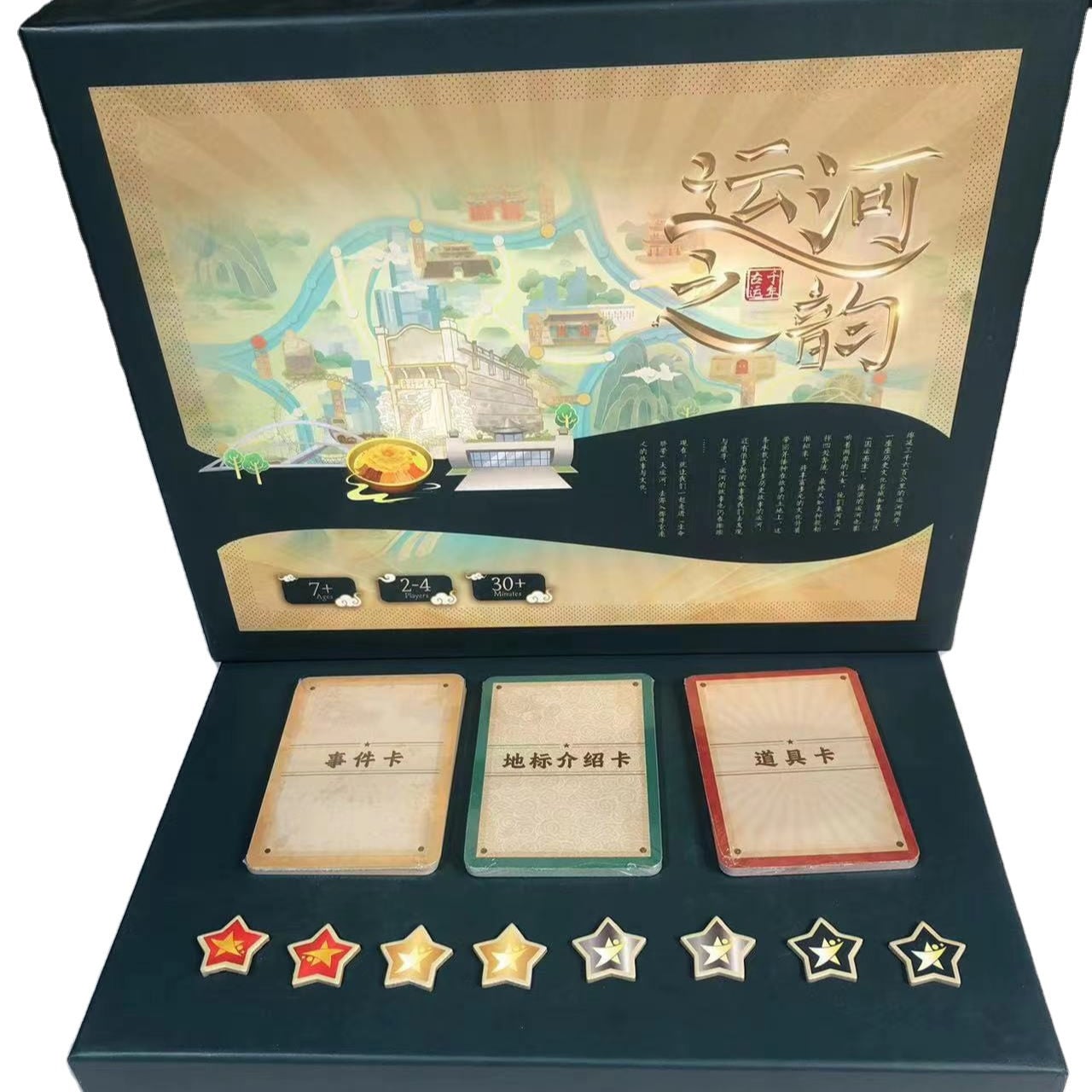
Board game manufacturers face increasing pressure to deliver visually consistent, high-quality products that meet player expectations and build lasting brand loyalty. Color accuracy has emerged as a critical quality factor that distinguishes premium board games from lower-tier alternatives. When board game manufacturers invest in precise color control during production, they create games that match design intent, maintain visual appeal across print runs, and reduce costly quality issues. This article explores why color accuracy matters so deeply for board game manufacturers and how proper color management transforms the manufacturing process.

Professional board game manufacturers understand that color is more than aesthetics—it is a functional design element that affects gameplay recognition, component differentiation, and overall player satisfaction. Cards, tokens, boards, and packaging must all display consistent colors throughout a production run. When board game manufacturers fail to maintain color accuracy, they risk player frustration, negative reviews, return requests, and damage to their reputation in an increasingly competitive tabletop gaming market.
Why Color Accuracy Matters for Board Game Manufacturers
Visual Consistency Across Production Runs
Board game manufacturers must produce thousands of identical units while maintaining visual fidelity. Color drift between print batches or within a single run creates noticeable differences that undermine product quality perception. Players who purchase multiple expansions or replacement components expect colors to match exactly. When board game manufacturers implement strict color management protocols, they eliminate batch-to-batch variations that would otherwise compromise the gaming experience. Color accuracy ensures that every copy shipped maintains the same visual standard, reinforcing brand trust and product consistency.
Player Experience and Gameplay Recognition
Many modern board games use color as a primary gameplay mechanic—distinguishing player factions, resource types, threat levels, or turn phases. Board game manufacturers must ensure that these color-coded systems remain instantly recognizable and functionally clear during actual play. If colors shift toward ambiguous hues, players may struggle to identify components quickly, slowing game pace and reducing engagement. Colorblind-friendly design also depends on accurate color reproduction, forcing board game manufacturers to maintain precise control over tone, saturation, and brightness values. When board game manufacturers prioritize color accuracy, they create more accessible, playable games that work as intended.
Technical Factors in Color Control for Board Game Manufacturers
Pantone Matching and Color Standards
Professional board game manufacturers typically use Pantone or CMYK color standards to specify exact colors for every component. These standardized systems allow board game manufacturers to communicate precise color requirements to printers and suppliers across different facilities and geographies. However, converting from digital design files to physical printed materials introduces complexity. Paper type, ink formulation, printing press settings, and drying conditions all influence final color output. Board game manufacturers who work with experienced printing partners establish detailed color specifications and conduct regular color matching tests to ensure accuracy throughout production runs.
Quality Assurance and Color Monitoring
Advanced board game manufacturers employ spectrophotometers and color management software to measure and verify color output during production. These tools provide objective data about whether printed components meet specified color targets. Board game manufacturers track color measurements across multiple print runs, identifying drift patterns and making corrective adjustments before defective inventory ships. This proactive monitoring prevents costly reprints and maintains consistent quality. Regular color profiling of printing equipment, paper batches, and ink suppliers helps board game manufacturers identify variables that affect color consistency. The investment in quality assurance infrastructure becomes essential when board game manufacturers handle large production volumes or manage complex multi-color designs.
Business Impact of Color Accuracy for Board Game Manufacturers
Brand Reputation and Customer Loyalty
Board game manufacturers build reputation through consistent delivery of quality products. Color accuracy is a visible marker of manufacturing excellence that resonates with serious board game enthusiasts. When players receive games with vibrant, consistent colors that match promotional images and box artwork, satisfaction increases and word-of-mouth recommendations follow. Conversely, color variations that disappoint repeat customers erode trust quickly. Board game manufacturers who prioritize color control demonstrate commitment to quality, justifying premium pricing and building community loyalty. Social media and review platforms amplify both positive and negative color-related feedback, making color accuracy a critical reputation factor for board game manufacturers competing in niche markets.
Cost Management and Waste Reduction
Implementing color accuracy standards requires upfront investment but reduces long-term costs for board game manufacturers through fewer reprints and lower waste rates. When color accuracy failures occur mid-production, entire batches may require reprinting, consuming materials and delaying shipments. Board game manufacturers who establish robust color management processes catch issues early, reducing scrap rates and maximizing yield from each production run. These efficiency gains directly improve profitability and allow board game manufacturers to compete on price without sacrificing quality. Advanced planning and supplier partnerships enable board game manufacturers to optimize color accuracy while managing production costs effectively.
FAQ
How do board game manufacturers ensure color matches between different print facilities?
Board game manufacturers use standardized color specifications, regular color profiling, and communication with all printing partners. By providing detailed Pantone or CMYK values, color reference samples, and spectrophotometer measurements, board game manufacturers establish consistent targets. Many board game manufacturers also conduct site visits, approve color proofs before full production runs, and maintain long-term relationships with trusted printers who understand their color standards.
What happens when board game manufacturers fail to maintain color accuracy?
Failed color accuracy creates multiple problems for board game manufacturers: players notice color mismatches between copies, gameplay may become confusing if color-coded mechanics are affected, customer complaints increase, and negative reviews spread through community channels. Board game manufacturers may face warranty claims, returns, and requests for replacement components. Reputational damage can be severe in engaged gaming communities, potentially impacting sales of future titles and expansions.
Can board game manufacturers use digital color preview to avoid physical color accuracy issues?
While digital previews help board game manufacturers visualize designs, they cannot completely replace physical color testing. Monitor displays, lighting conditions, and calibration differences mean digital colors often differ from printed results. Experienced board game manufacturers order physical color proofs early in production planning, test multiple paper and ink combinations, and adjust specifications based on actual printed samples before committing to full production runs.