
 EN
EN



The world of board game manufacturing involves specialized terminology that can seem overwhelming to newcomers. Whether you're an entrepreneur launching your first tabletop game or an established publisher sourcing production, understanding the language used by board game manufacturers is essential for clear communication and informed decision-making. This comprehensive glossary demystifies the key terms that board game manufacturers use daily, helping you navigate the industry with confidence and expertise.
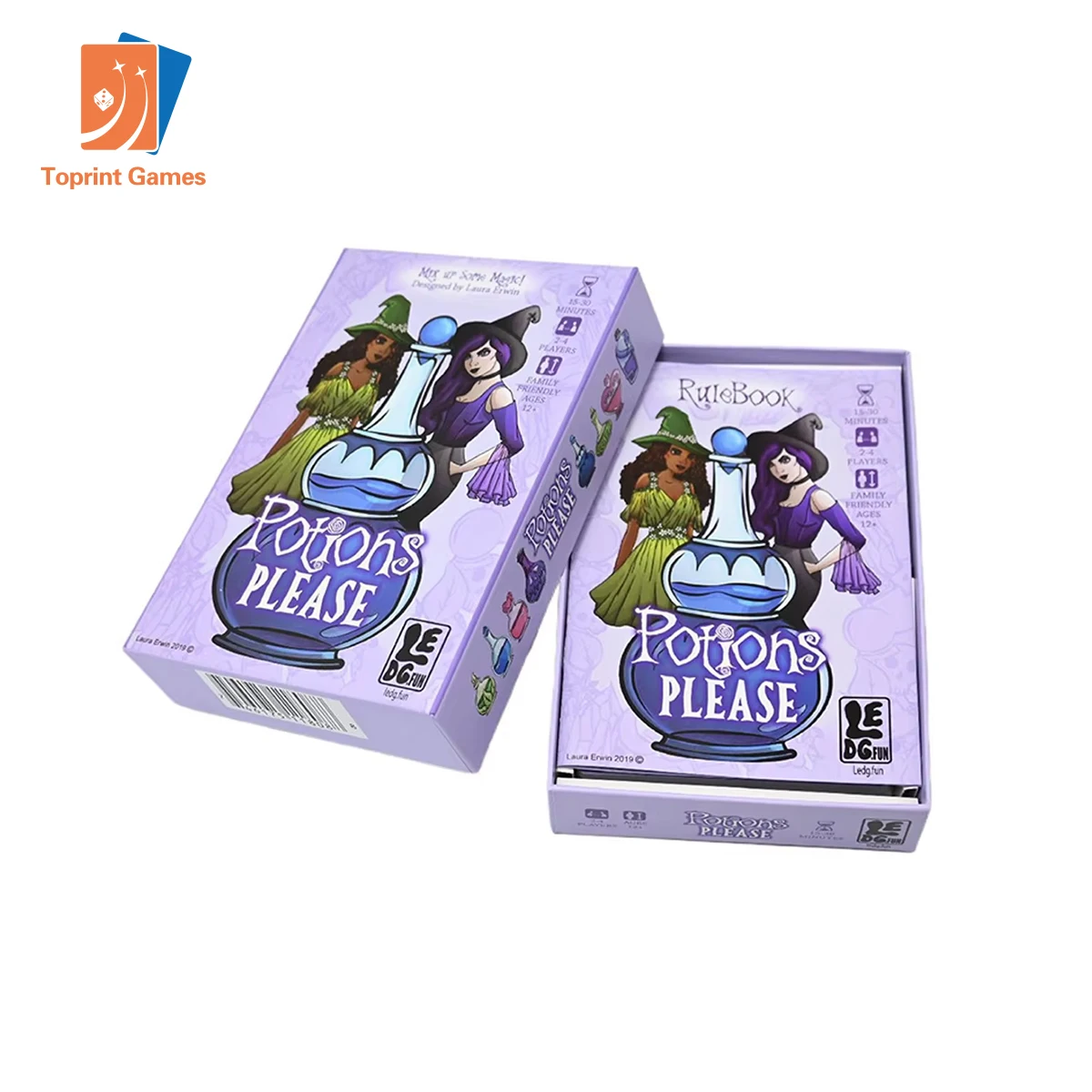
Board game manufacturers operate in a complex ecosystem where precision, quality standards, and production terminology matter greatly. Learning these terms helps you evaluate quotes, assess production capabilities, troubleshoot issues, and collaborate effectively with board game manufacturers across multiple regions and production scales. This glossary serves as your reference guide to the most important concepts in the industry.
Core Manufacturing Terminology Used by Board Game Manufacturers
Die-Cutting and Punching Processes
Die-cutting is one of the most fundamental processes employed by board game manufacturers to create precise game components. This process uses specially designed metal dies to cut cardboard, chipboard, and specialty materials into exact shapes and sizes. Board game manufacturers rely on die-cutting for everything from board perimeter cuts to token shapes and card formats. The accuracy of the die directly impacts component consistency, and experienced board game manufacturers maintain strict quality control on their dies to ensure every piece meets specifications.
Punching differs slightly from die-cutting, though board game manufacturers often use these terms interchangeably. Punching typically refers to creating holes or detailed cuts within larger sheets before assembly. Many board game manufacturers use automated punching equipment to remove tokens, punch corner indicators, or create folds in game boards. The distinction matters when discussing production timelines, as board game manufacturers schedule punching operations based on available machinery and project complexity.
Lamination and Surface Treatment
Lamination is a protective coating process that board game manufacturers apply to enhance durability and visual appeal. Board game manufacturers laminate cards, boards, and component boxes using various materials including plastic films and specialty finishes. Matte lamination provides a non-glare surface preferred by many players, while gloss lamination creates a shiny, premium appearance. Professional board game manufacturers adjust lamination thickness and adhesive strength based on expected gameplay wear and environmental conditions.
Surface treatments extend beyond lamination, encompassing spot varnish, soft-touch coatings, and embossing. Board game manufacturers apply these treatments to create texture, highlight artwork, and increase perceived quality. Embossing creates raised patterns on surfaces, adding tactile interest that board game manufacturers use to differentiate premium versions. Understanding these terminology distinctions helps you communicate your vision to board game manufacturers more effectively.
Materials and Substrate Specifications for Board Game Manufacturers
Chipboard, Cardstock, and Specialty Substrates
Chipboard serves as the primary material for most game components produced by board game manufacturers worldwide. This dense, rigid material is composed of recycled paper layers and comes in various thicknesses measured in points or millimeters. Board game manufacturers typically use 1.0mm to 2.0mm chipboard for boards and tiles, selecting thickness based on durability requirements and cost considerations. Thicker chipboard increases component longevity but also raises manufacturing costs, a trade-off that experienced board game manufacturers help clients navigate.
Cardstock is lighter and more flexible than chipboard, commonly used by board game manufacturers for card components and instruction sheets. Board game manufacturers distinguish between standard cardstock, playing card stock, and premium options like coated or specialty finishes. Many board game manufacturers offer cardstock options ranging from 250gsm to 400gsm, with heavier weights providing better feel and perceived quality. Specialty substrates such as magnetic sheets, foam-backed materials, and translucent films allow board game manufacturers to create innovative components for distinctive game experiences.
Ink Types and Color Specifications
Board game manufacturers use various ink systems, with digital, offset, and screen printing representing the most common methods. Offset printing dominates high-volume production at professional board game manufacturers, offering rich color reproduction and cost efficiency. Pantone color matching ensures consistency across production runs, though board game manufacturers adjust specifications based on substrate absorbency and printing equipment capabilities. Understanding color separations and CMYK specifications helps you communicate accurately with board game manufacturers about your design requirements.
Eco-friendly inks are increasingly important to modern board game manufacturers responding to environmental concerns. Water-based inks and soy-based alternatives provide sustainability benefits, and many established board game manufacturers now offer these options as standard. Board game manufacturers test ink adhesion, durability, and fade resistance using accelerated aging protocols to ensure components maintain quality throughout typical product lifecycles.
Assembly, Packaging, and Quality Standards in Board Game Manufacturing
Box Assembly and Component Packing Processes
Box assembly involves multiple steps that board game manufacturers have refined over decades of production experience. Board game manufacturers receive pre-printed and scored box blanks that undergo folding, gluing, and assembly on automated or semi-automated lines. The term 'greyboard insert' refers to protective cardboard sheets that board game manufacturers include inside boxes to prevent component shifting during transit. Experienced board game manufacturers optimize insert design, compartmentalization, and padding to enhance unboxing experience while minimizing damage claims.
Component packing refers to the process of filling boxes with all game elements according to specifications. Board game manufacturers employ various packing configurations, from simple hand-packing for small runs to fully automated systems for large production volumes. 'Blister packing' is a specialized technique where board game manufacturers seal components onto cardboard backing using heat-sealed plastic shells, protecting items while enabling product visibility. Quality assurance procedures at professional board game manufacturers include weight verification, component counting, and random inspection sampling.
Certifications and Quality Control Standards
Board game manufacturers operating internationally must comply with safety standards including CPSIA for products sold in the United States and EN71 standards for European markets. These regulations govern material composition, labeling requirements, and testing procedures that board game manufacturers implement as standard practice. Lead content testing, phthalate screening, and flame retardancy testing are common quality measures that responsible board game manufacturers perform before shipment.
Quality control terminology reflects the rigorous testing protocols employed by professional board game manufacturers. 'First-piece inspection' occurs when board game manufacturers verify initial samples from production runs match approved specifications. Board game manufacturers conduct 'inline inspections' at various production stages and perform 'final quality checks' before boxing. Statistical process control helps board game manufacturers maintain consistency across large production runs by monitoring deviation trends.
FAQ
What does the term 'proof' mean when working with board game manufacturers?
A proof is a sample produced by board game manufacturers for your approval before full production begins. Board game manufacturers create proofs to verify color accuracy, alignment, material quality, and overall appearance match your specifications and expectations. Approval of proofs is the standard checkpoint where board game manufacturers confirm all design elements meet your requirements before committing to large manufacturing runs.
How do board game manufacturers define 'lead time' in production schedules?
Lead time refers to the duration from when board game manufacturers receive your approved materials until finished products are ready for shipment. Board game manufacturers calculate lead times based on production complexity, current workload, material sourcing requirements, and shipping logistics. Understanding typical lead times from established board game manufacturers helps you plan product launches and manage customer expectations effectively.
What is an 'NFC chip' when board game manufacturers reference it in component specifications?
NFC stands for Near Field Communication, a technology some board game manufacturers integrate into modern games for digital gameplay features. Board game manufacturers embed NFC chips into cardboard tokens or game pieces, enabling players to tap these components with smartphones to unlock content or interact with companion apps. This specialized capability distinguishes innovative board game manufacturers offering technology-enhanced products.