
 EN
EN


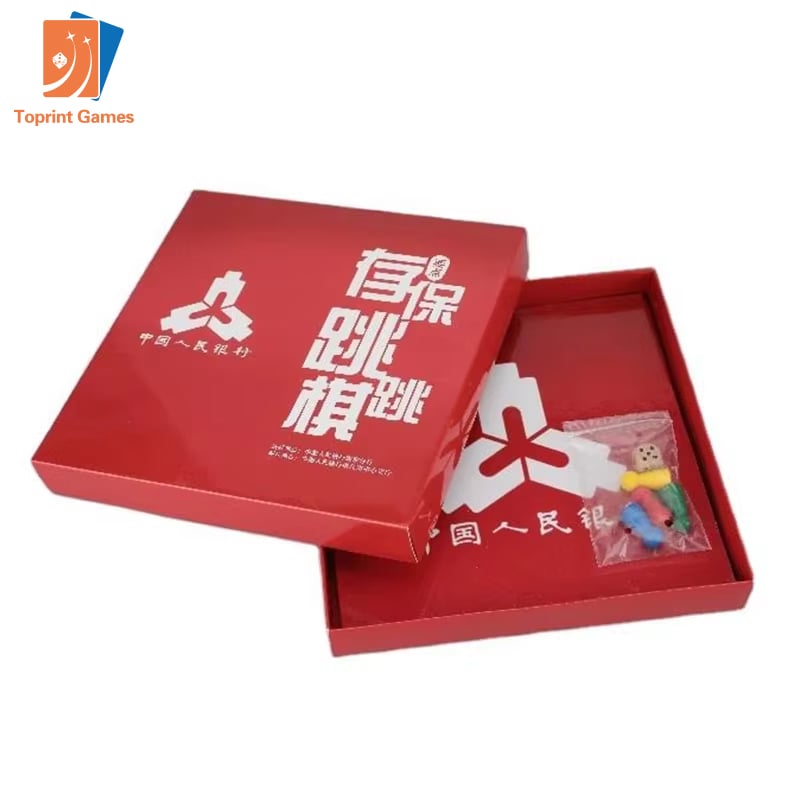
Creating a successful board game requires careful planning, strategic budgeting, and precise scheduling coordination with experienced board game producers. The process involves multiple phases from initial concept development to final manufacturing and distribution. Understanding how to effectively work with board game producers can make the difference between a project that launches on time and within budget versus one that faces costly delays and overruns.

Professional board game producers bring specialized knowledge in manufacturing processes, cost optimization, and timeline management that independent developers often lack. They understand the complexities of component sourcing, quality control standards, and international shipping logistics that can significantly impact both budget and delivery schedules. Establishing clear communication channels and realistic expectations from the beginning ensures smoother collaboration throughout the entire production cycle.
The relationship between game developers and manufacturers requires careful attention to both financial planning and project timeline coordination. Successful partnerships involve transparent discussions about costs, production capabilities, and potential challenges that may arise during manufacturing. This collaborative approach helps prevent misunderstandings and ensures all parties remain aligned on project objectives and constraints.
Understanding Production Costs and Budget Planning
Component Cost Analysis and Material Selection
Working with board game producers requires detailed understanding of how component choices directly impact manufacturing costs. Different materials, printing techniques, and finishing options can significantly affect the final price per unit. Experienced producers can provide cost breakdowns that help developers make informed decisions about game components while staying within budget constraints.
The selection of game materials involves balancing quality expectations with cost considerations. Premium components like custom dice, wooden tokens, or specialty cards increase production expenses but may justify higher retail prices. Board game producers typically offer multiple material options with corresponding cost implications, allowing developers to optimize their budget allocation based on target market positioning.
Quantity considerations play a crucial role in per-unit pricing structures. Most board game producers offer tiered pricing based on order volumes, with significant cost reductions at higher quantities. Understanding these pricing thresholds helps developers plan initial print runs and potential reprint strategies that maximize cost efficiency while minimizing inventory risks.
Hidden Costs and Budget Contingencies
Experienced board game producers emphasize the importance of accounting for hidden costs that often catch first-time developers off guard. These may include tooling fees, sample production costs, shipping insurance, and potential customs duties for international manufacturing. Building appropriate contingencies into project budgets prevents financial stress when unexpected expenses arise during production.
Quality control processes represent another cost factor that requires careful budgeting consideration. Professional board game producers implement multiple inspection stages to ensure consistent product quality, but these services add to overall manufacturing expenses. Understanding these costs upfront allows developers to allocate appropriate funds for quality assurance without compromising production standards.
Currency fluctuations and international payment processing fees can impact final costs when working with overseas board game producers. Establishing clear payment terms and understanding exchange rate implications helps developers maintain budget accuracy throughout extended production timelines. Some producers offer hedging options or fixed-price contracts to minimize currency-related financial risks.
Timeline Management and Production Scheduling
Production Phase Planning and Milestone Setting
Effective timeline management with board game producers begins with understanding the distinct phases of manufacturing and their typical duration requirements. Pre-production activities including artwork finalization, prototype approval, and tooling preparation often require several weeks before actual manufacturing can commence. Establishing clear milestones for each phase helps maintain project momentum and accountability.
Communication frequency and reporting structures significantly impact timeline adherence when working with board game producers. Regular status updates, progress photos, and milestone confirmations help identify potential delays early in the process. Professional producers typically provide detailed production schedules with buffer time built in for quality control and unforeseen complications.
Seasonal considerations affect production scheduling, particularly for games targeting specific launch windows like holiday seasons or gaming conventions. Board game producers often experience increased demand during certain periods, requiring advance booking to secure production slots. Understanding these industry cycles helps developers plan their launch strategies and production timing more effectively.
Managing Dependencies and Critical Path Elements
Successful scheduling coordination requires identifying critical path elements that could impact overall project timelines. Custom components, special printing techniques, or unique packaging requirements may extend production times significantly. Board game producers can help developers understand these dependencies and plan accordingly to avoid schedule disruptions.
Artwork approval processes represent a common bottleneck in production scheduling that requires careful management. Changes to graphics, text, or component designs after production begins can cause significant delays and additional costs. Establishing final approval deadlines and change management procedures helps maintain schedule integrity while allowing necessary revisions.
Supply chain coordination becomes increasingly important as games incorporate diverse components from multiple suppliers. Board game producers must coordinate delivery timing for various materials to ensure efficient assembly processes. Understanding these logistics helps developers appreciate timeline complexities and the importance of maintaining flexible scheduling approaches.
Communication Strategies and Project Coordination
Establishing Clear Expectations and Requirements
Successful partnerships with board game producers depend on establishing clear communication protocols from project initiation. Detailed specifications, quality standards, and delivery requirements should be documented and agreed upon before production begins. This documentation serves as a reference point for resolving any disputes or clarifications that arise during manufacturing.
Regular communication schedules help maintain project visibility and enable proactive problem-solving when challenges emerge. Many board game producers provide weekly or bi-weekly progress reports that include production photos, quality samples, and updated timeline estimates. These touchpoints allow developers to stay informed about project status and make timely decisions when needed.
Cultural considerations become important when working with international board game producers, as communication styles and business practices may differ significantly. Understanding these differences and adapting communication approaches accordingly helps build stronger working relationships and reduces the potential for misunderstandings that could impact project outcomes.
Quality Control and Approval Processes
Implementing structured quality control processes with board game producers ensures consistent product standards while maintaining production efficiency. Pre-production samples, in-line inspections, and final quality audits provide multiple checkpoints for identifying and correcting potential issues before they affect large production quantities.
Digital communication tools enable remote quality monitoring and approval processes that keep projects moving forward efficiently. High-resolution photos, video calls, and digital proofing systems allow developers to review and approve production samples without requiring physical presence at manufacturing facilities. This capability becomes particularly valuable for international production arrangements.
Documentation of quality standards and acceptance criteria helps ensure consistent evaluation throughout the production process. Board game producers benefit from clear guidelines about acceptable tolerances, color matching requirements, and functional specifications. This clarity reduces subjective interpretation and helps maintain objective quality standards across all production batches.
Risk Management and Contingency Planning
Identifying and Mitigating Production Risks
Working with board game producers involves various risks that require proactive identification and mitigation strategies. Supply chain disruptions, quality issues, equipment failures, and labor shortages can all impact production timelines and costs. Understanding these potential risks helps developers and producers collaborate on appropriate contingency plans.
Financial risk management includes considerations for payment terms, currency fluctuations, and potential cost overruns during production. Many board game producers offer various payment structures that can help developers manage cash flow while ensuring adequate production funding. Understanding these options helps optimize financial arrangements for both parties.
Intellectual property protection becomes crucial when sharing game designs and artwork with board game producers. Establishing clear confidentiality agreements and understanding jurisdictional considerations for legal protection helps safeguard valuable creative assets throughout the manufacturing process. Professional producers typically have established procedures for handling confidential information securely.
Alternative Scenarios and Backup Planning
Developing alternative scenarios for potential production challenges helps maintain project flexibility when unexpected issues arise. Board game producers can often suggest modified approaches or alternative solutions that minimize delays while maintaining quality standards. Having these discussions proactively enables faster decision-making when problems occur.
Backup supplier relationships provide additional security for critical project timelines, particularly for games with firm launch deadlines. While primary board game producers handle most production requirements, identifying alternative suppliers for specific components can provide valuable flexibility when supply chain issues arise. This approach requires additional coordination but offers important risk mitigation benefits.
Insurance considerations may apply to large production orders or projects with significant financial exposure. Understanding available coverage options for production delays, quality issues, or shipping problems helps developers make informed risk management decisions. Many board game producers can provide guidance about relevant insurance products and coverage limitations.
Long-term Partnership Development
Building Sustainable Working Relationships
Establishing long-term partnerships with reliable board game producers offers significant advantages for developers planning multiple projects or ongoing game releases. These relationships enable better pricing negotiations, priority scheduling, and accumulated knowledge about specific quality preferences and production requirements. Investment in relationship development pays dividends through improved efficiency and reduced coordination overhead.
Feedback mechanisms help strengthen partnerships by enabling continuous improvement in communication, quality, and service delivery. Regular project retrospectives with board game producers identify successful practices and areas for enhancement in future collaborations. This collaborative approach to relationship management creates value for both developers and manufacturers.
Capacity planning discussions with board game producers help developers understand production availability and plan future projects accordingly. Understanding seasonal demand patterns, equipment capabilities, and expansion plans enables more effective long-term project scheduling. This information becomes increasingly valuable as developers scale their operations and release schedules.
Scaling Production and Growth Considerations
As game developers grow their product portfolios, working relationships with board game producers must evolve to accommodate increased complexity and volume requirements. Scaling considerations include production capacity, quality consistency across multiple products, and coordination of simultaneous projects. Professional producers can adapt their services to support growing developer needs.
Technology integration opportunities may emerge as partnerships mature, including digital workflow systems, automated reporting tools, and enhanced communication platforms. Board game producers increasingly offer technological solutions that streamline collaboration and improve project visibility. Understanding these capabilities helps developers leverage technology for improved efficiency and control.
Market expansion considerations become relevant as developers consider international distribution or localized versions of successful games. Experienced board game producers often have global capabilities or partner networks that can support geographic expansion strategies. Early discussions about these possibilities help establish foundations for future growth opportunities.
FAQ
How far in advance should I contact board game producers for scheduling?
Most professional board game producers recommend initiating contact 4-6 months before your desired production start date, especially during peak seasons like preparation for holiday launches. This timeline allows for proper planning, sample development, and securing production slots. For complex games with custom components, even longer lead times may be necessary to ensure adequate preparation and quality development.
What factors most significantly impact production costs with board game producers?
Component complexity, material quality, order quantity, and customization requirements represent the primary cost drivers when working with board game producers. Games with numerous custom pieces, premium materials, or special printing techniques typically cost more to manufacture. Order volume creates the most dramatic pricing differences, with larger quantities achieving significantly lower per-unit costs through economies of scale.
How can I ensure quality control when working with overseas board game producers?
Implementing multiple quality checkpoints including pre-production samples, in-line inspections, and final audits helps maintain standards with international board game producers. Digital communication tools enable remote monitoring through high-resolution photos and video conferences. Establishing clear quality specifications and acceptance criteria upfront prevents misunderstandings and ensures consistent evaluation throughout production.
What contingency planning should I consider for production delays?
Effective contingency planning includes building buffer time into project schedules, identifying alternative suppliers for critical components, and maintaining flexible launch strategies. Board game producers recommend adding 2-4 weeks of contingency time for standard projects and longer buffers for complex games. Having backup distribution plans and communication strategies helps manage stakeholder expectations if delays occur despite careful planning efforts.
Table of Contents
- Understanding Production Costs and Budget Planning
- Timeline Management and Production Scheduling
- Communication Strategies and Project Coordination
- Risk Management and Contingency Planning
- Long-term Partnership Development
-
FAQ
- How far in advance should I contact board game producers for scheduling?
- What factors most significantly impact production costs with board game producers?
- How can I ensure quality control when working with overseas board game producers?
- What contingency planning should I consider for production delays?