
 EN
EN


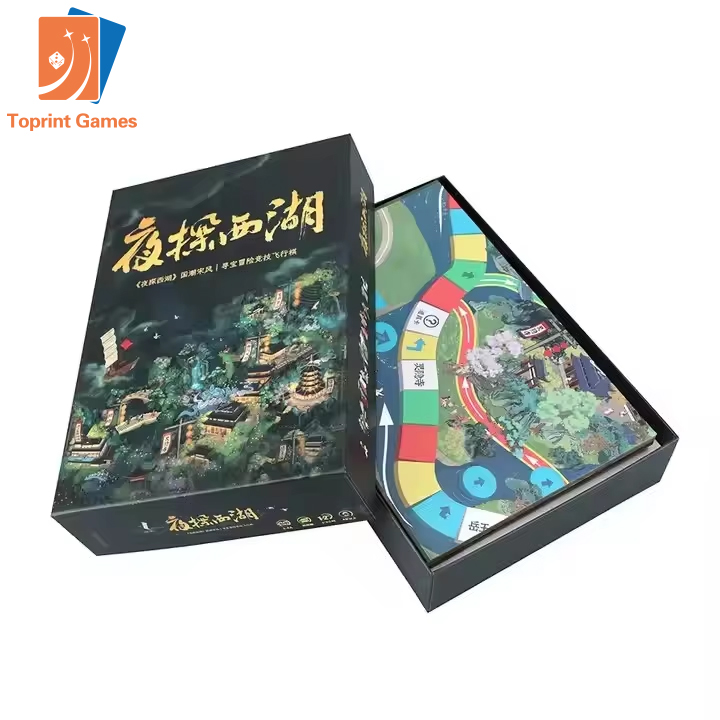
Board game manufacturers operating in the global marketplace face increasingly complex tariff and import regulation landscapes that directly impact profitability, delivery timelines, and supply chain strategy. Understanding how to navigate these regulations is essential for board game manufacturers seeking to maintain competitive pricing while ensuring legal compliance across multiple jurisdictions. The interplay between tariff classifications, trade agreements, and customs procedures creates a challenging environment where even small missteps can result in significant delays, penalties, and unexpected costs that undermine operational efficiency.

For board game manufacturers importing components or finished products from international suppliers, the challenge extends beyond simply moving goods across borders. Tariff rates vary dramatically based on product classification, country of origin, material composition, and applicable trade agreements. Board game manufacturers must develop a systematic approach to tariff management that includes accurate commodity code classification, strategic supplier selection, and proactive engagement with customs authorities to minimize duty exposure while maintaining relationships with reliable international suppliers.
Understanding Tariff Classification for Board Game Manufacturers
The Critical Role of Harmonized Tariff Codes
Board game manufacturers must work closely with tariff specialists to ensure products receive accurate Harmonized Tariff Schedule (HTS) classification. The HTS code determines the duty rate applied to imports, making precision essential for board game manufacturers managing costs effectively. A single misclassification could move a product from a 5% duty rate to a 15% or higher rate, creating unexpected expenses that accumulate across thousands of unit shipments. Board game manufacturers typically encounter classification challenges when determining whether products qualify as educational materials, toys, or games, as these categories carry different tariff treatments.
Material Composition and Tariff Treatment
The physical composition of board game components significantly influences how board game manufacturers navigate tariff regulations. Games containing electronic components face different classifications than traditional cardboard-based products, and board game manufacturers importing plastic pieces, dice, or wooden boards encounter tariff variations based on material content. Understanding how customs authorities evaluate material composition helps board game manufacturers anticipate duty assessments and adjust sourcing strategies accordingly. Many board game manufacturers discover that sourcing certain materials from specific countries reduces tariff exposure due to preferential trade agreements and origin rules.
Leveraging Trade Agreements and Preferential Programs
Free Trade Agreements and Cost Savings
Board game manufacturers operating across North America benefit significantly from the United States-Mexico-Canada Agreement (USMCA), which offers preferential tariff rates on qualifying products. For board game manufacturers sourcing from USMCA member countries, proper documentation and compliance with rules of origin can reduce tariff costs by 50% or more compared to non-preferential rates. Understanding origin qualification requirements becomes essential for board game manufacturers seeking to maximize trade agreement benefits. Many board game manufacturers fail to capture available duty reductions simply because they lack awareness of specific documentation requirements or supplier certification needs.
Duty Drawback and Supply Chain Optimization
Board game manufacturers exporting finished products or components benefit from duty drawback programs that refund tariffs paid on imported materials when those materials are subsequently exported or incorporated into exported products. This mechanism allows board game manufacturers to improve competitiveness in export markets by recovering tariff costs. Implementing duty drawback programs requires meticulous record-keeping and coordination between board game manufacturers and their customs brokers, but the financial impact justifies the administrative investment when managing high-volume operations.
Customs Compliance and Documentation Requirements
Establishing Supplier Verification Protocols
Board game manufacturers must implement robust verification procedures for international suppliers to ensure tariff compliance at the source. Accurate supplier documentation regarding product origin, material content, and manufacturing location forms the foundation for correct customs declarations submitted by board game manufacturers. When board game manufacturers fail to verify supplier information, they risk receiving misclassified or misidentified shipments that trigger customs audits, penalties, and reputational damage. Working with established suppliers who maintain certification programs and transparent supply chain documentation significantly reduces compliance risk for board game manufacturers.
Invoice Documentation and Customs Declarations
Commercial invoices submitted by board game manufacturers must include detailed information about product composition, value, origin, and intended use to satisfy customs requirements across importing jurisdictions. Board game manufacturers should ensure that international suppliers provide invoices containing manufacturer certifications, country of origin statements, and material specifications aligned with applicable tariff classifications. Inconsistent or incomplete documentation creates customs clearance delays that disrupt board game manufacturers' inventory planning and increase carrying costs. Many board game manufacturers benefit from establishing standardized invoice templates with suppliers that incorporate all required information elements upfront.
Managing Regulatory Complexity and Rate Changes
Tariff Rate Fluctuations and Supply Chain Agility
Board game manufacturers operating in today's volatile trade environment must monitor tariff developments continuously because duty rates change through legislative action, trade policy shifts, and negotiated agreements. Sudden tariff increases impact profitability margins, and board game manufacturers lacking rate monitoring systems may discover unexpected cost increases after imports arrive at ports. Implementing early warning systems through trade compliance consultants helps board game manufacturers respond proactively to rate changes by adjusting sourcing, accelerating shipments under current rates, or exploring alternative suppliers in lower-tariff jurisdictions. Strategic flexibility in supplier relationships allows board game manufacturers to shift sourcing quickly when tariff changes make previously attractive suppliers less economical.
Regulatory Requirements Beyond Tariffs
Board game manufacturers must address non-tariff regulatory barriers that often prove more disruptive than duty costs themselves. Safety standards, labeling requirements, packaging regulations, and product certifications vary significantly across importing countries, and board game manufacturers face compliance expenses that extend well beyond tariff payments. Products containing small components, electronic elements, or specific materials trigger heightened regulatory scrutiny, requiring board game manufacturers to maintain certifications and documentation throughout their supply chains. Understanding jurisdiction-specific requirements before committing to supplier relationships helps board game manufacturers avoid costly redesigns, rejected shipments, or market access delays.
FAQ
How do board game manufacturers determine the correct HTS code for their products?
Board game manufacturers should engage tariff classification specialists who analyze product composition, function, and presentation to assign accurate HTS codes. Many board game manufacturers work with customs brokers who maintain expertise in gaming product classifications and can provide binding rulings from customs authorities. The U.S. International Trade Commission and equivalent agencies in other jurisdictions offer classification assistance, and board game manufacturers can request formal determinations to establish defensible positions before importing significant quantities.
What documentation do board game manufacturers need from international suppliers?
Board game manufacturers should require detailed commercial invoices, certificates of origin, material specifications, and manufacturer declarations from international suppliers. Certificates confirming USMCA or other preferential trade agreement eligibility are essential for board game manufacturers seeking duty reductions. Board game manufacturers should also request any product certifications, safety approvals, or compliance documentation required in their target markets to ensure suppliers meet regulatory standards before shipment.
Can board game manufacturers reduce tariff costs through alternative sourcing strategies?
Yes, board game manufacturers can explore sourcing from preferential trade agreement partner countries, negotiate volume discounts to offset duty costs, or investigate alternative material suppliers that qualify for lower tariff classifications. Some board game manufacturers benefit from establishing regional manufacturing or assembly operations that qualify for preferential trade treatments. Working with tariff consultants helps board game manufacturers analyze sourcing scenarios and model tariff impact across different supplier locations before making strategic decisions.