
 EN
EN



Selecting the right partner from among countless board game manufacturers represents one of the most critical decisions in bringing your tabletop vision to life. The global board game industry has experienced unprecedented growth, with manufacturers worldwide offering varying levels of expertise, quality standards, and production capabilities. Understanding how to evaluate and choose from different board game manufacturers requires careful consideration of multiple factors including production quality, cost efficiency, communication standards, and manufacturing timelines. This comprehensive guide will help you navigate the complex landscape of board game manufacturers and make informed decisions that align with your project goals and budget constraints.
Understanding Manufacturing Capabilities and Specializations
Production Volume and Scalability
Different board game manufacturers specialize in various production volumes, from small batch custom runs to large-scale commercial manufacturing. Some manufacturers excel at prototype development and small quantities of 100-500 units, while others focus on mass production runs exceeding 10,000 copies. Understanding your current needs and future scaling requirements helps narrow down manufacturers that can accommodate your production goals. Consider whether the manufacturer can handle increases in volume as your game gains popularity, and whether they offer flexible minimum order quantities that align with your business model.
Scalability also extends to the manufacturer's ability to handle multiple product lines simultaneously. Established board game manufacturers often work with dozens of clients concurrently, requiring sophisticated project management systems and production scheduling capabilities. Evaluate their track record of meeting delivery deadlines during peak seasons and their capacity to prioritize urgent projects when necessary. The best manufacturers maintain consistent quality standards regardless of production volume, ensuring your small initial run receives the same attention to detail as larger commercial orders.
Component Manufacturing Expertise
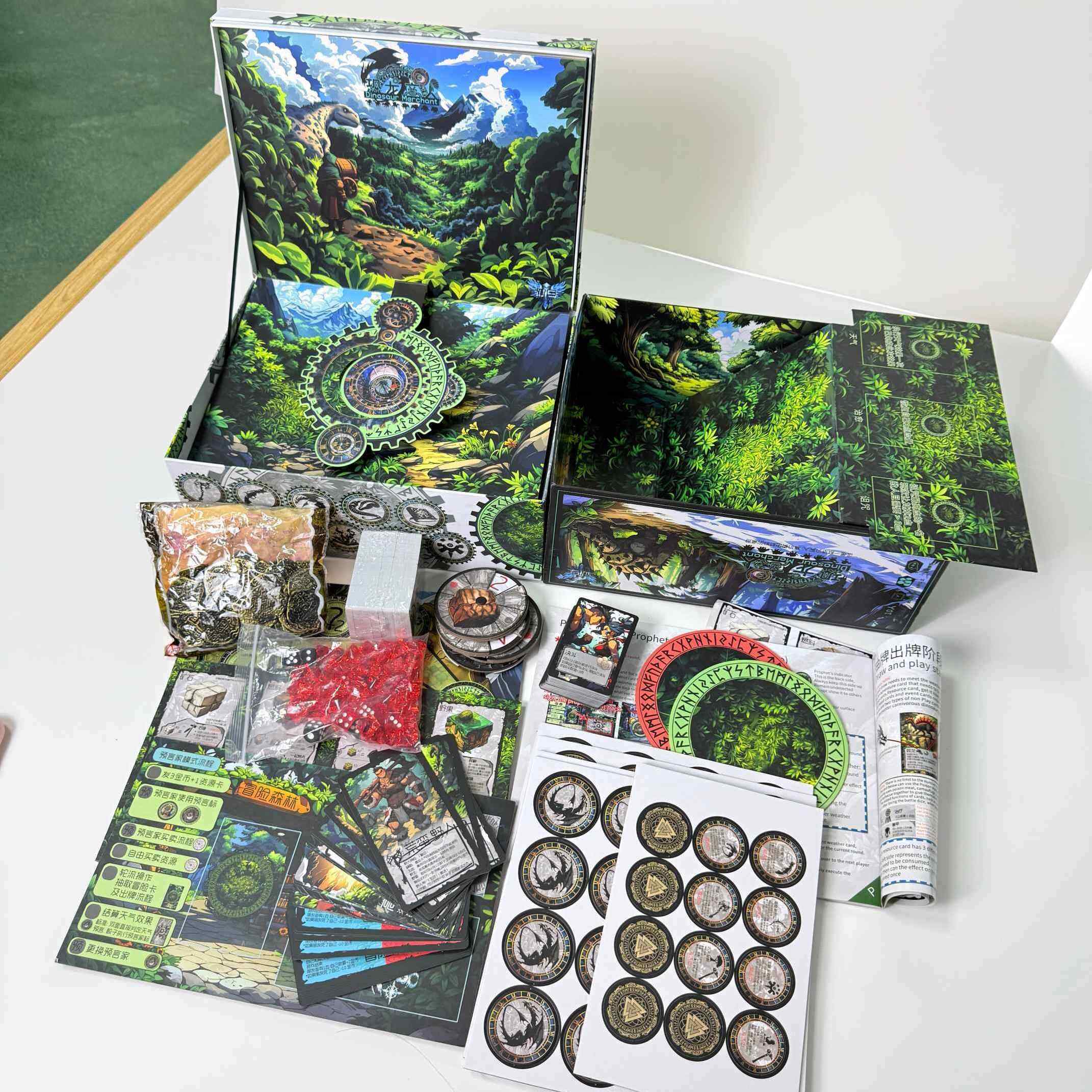
Board games consist of multiple components requiring specialized manufacturing techniques, from cardboard game boards and custom dice to plastic miniatures and wooden tokens. Leading board game manufacturers either possess in-house capabilities for all component types or maintain established partnerships with specialized suppliers. Assess whether potential manufacturers have experience with your specific component requirements, particularly for unique elements like custom-shaped dice, metal coins, or intricate miniatures that demand precision molding and finishing.
Manufacturing expertise becomes particularly important for games requiring premium components or innovative materials. Some manufacturers specialize in eco-friendly materials and sustainable production methods, while others focus on high-end finishes like foil stamping, embossing, or UV coating. Request samples of similar components they have produced previously to evaluate quality standards and determine whether their capabilities match your vision for the finished product.
Quality Control and Production Standards
Material Selection and Sourcing
The quality of raw materials directly impacts the durability, appearance, and overall player experience of your board game. Professional board game manufacturers maintain relationships with certified suppliers and implement rigorous material selection processes. Inquire about their cardboard specifications, including thickness measurements, finish options, and resistance to wear and moisture. High-quality manufacturers typically offer multiple cardstock weights ranging from standard 1.5mm to premium 3mm thickness for game boards, with various lamination options to enhance durability.
Material sourcing practices also reflect a manufacturer's commitment to consistency and reliability. Reputable board game manufacturers often provide detailed material specifications and can accommodate special requests for premium upgrades or alternative materials. They should be transparent about their supply chain, including the origin of materials and any certifications for safety or environmental standards. Understanding their material procurement processes helps ensure consistent quality across multiple production runs and reduces the risk of component variations that could affect gameplay experience.
Quality Assurance Processes
Comprehensive quality control measures distinguish professional board game manufacturers from basic printing services. Established manufacturers implement multi-stage inspection processes, beginning with incoming material verification and continuing through pre-production samples, in-process monitoring, and final product inspection. Request information about their quality control protocols, including how they handle defective components, color matching procedures, and dimensional tolerance standards for precise component fitting.
Advanced quality assurance extends to packaging integrity and component count verification. Professional manufacturers often use automated counting systems and weight verification to ensure complete game sets, while also conducting random sampling inspections on finished products. Some board game manufacturers offer additional services like shrink wrapping, barcode application, and distribution preparation, all subject to their quality control standards. Understanding these processes helps you evaluate whether a manufacturer's quality standards align with your expectations and market requirements.
Communication and Project Management
Language and Cultural Considerations
Effective communication forms the foundation of successful manufacturing partnerships, particularly when working with board game manufacturers in different countries or time zones. Language barriers can lead to misunderstandings regarding specifications, timelines, and quality expectations, potentially resulting in costly revisions or production delays. Evaluate potential manufacturers based on their English proficiency levels, availability of dedicated project managers, and their experience working with international clients.
Cultural understanding becomes equally important when establishing long-term relationships with board game manufacturers. Different business cultures approach deadlines, problem-solving, and customer service with varying priorities and methodologies. Manufacturers with extensive international experience typically develop cross-cultural competencies and communication protocols that facilitate smooth project execution. Consider scheduling preliminary conversations or video calls to assess communication quality and determine whether their business approach aligns with your working style and expectations.
Project Timeline Management
Manufacturing timelines significantly impact product launch schedules, marketing campaigns, and inventory planning, making reliable project management essential for success. Professional board game manufacturers provide detailed production schedules outlining each manufacturing phase, from pre-production samples to final delivery. These timelines should include buffer periods for potential delays, revision cycles, and quality control processes, with clear milestone checkpoints for client approval and feedback.
Seasonal production fluctuations affect manufacturing schedules, particularly during peak periods leading up to major retail seasons or industry conventions. Experienced manufacturers communicate these patterns proactively and help clients plan accordingly, sometimes offering priority scheduling for established customers or urgent projects. Evaluate their historical performance regarding deadline adherence and their procedures for handling unexpected delays or complications that might arise during production.
Cost Structure and Pricing Models
Transparent Pricing and Hidden Costs
Understanding the complete cost structure from board game manufacturers requires examining both quoted prices and potential additional expenses that may arise during production. Reputable manufacturers provide detailed breakdowns separating component costs, labor, setup fees, tooling charges, and shipping expenses. Be cautious of quotes that seem significantly lower than competitors, as they may exclude essential services or use inferior materials that compromise quality.
Hidden costs often emerge in areas like revision fees, rush order premiums, packaging upgrades, or international shipping complications. board game manufacturers with transparent pricing policies clearly outline their fee structures for common scenarios, helping you budget accurately for the complete project. Request comprehensive quotes that include all foreseeable expenses, and inquire about their policies regarding price adjustments for material cost fluctuations or specification changes during production.
Payment Terms and Financial Flexibility
Payment structures vary significantly among board game manufacturers, ranging from full advance payment requirements to flexible milestone-based payment schedules. Established manufacturers often offer more favorable terms, such as 50% deposits with balance due upon completion, while newer or smaller operations may require complete payment upfront to manage cash flow. Evaluate payment terms in context of your financial situation and the level of risk you're comfortable accepting.
Financial flexibility extends to currency options, payment methods, and credit terms for established customers. Some international board game manufacturers accept payments in multiple currencies, potentially offering cost advantages or reducing exchange rate risks. Others provide net payment terms or volume discounts for repeat customers, creating long-term partnership benefits. Consider the total financial relationship beyond initial pricing, including potential savings from bulk orders, multi-game packages, or exclusive manufacturing agreements.
Geographic Considerations and Logistics
Manufacturing Location Impact
The geographic location of board game manufacturers affects multiple aspects of your project, from shipping costs and delivery times to quality standards and communication efficiency. Asian manufacturers, particularly those in China, often provide competitive pricing due to lower labor costs and established supply chains, but may involve longer shipping times and potential communication challenges. European and North American manufacturers typically offer shorter lead times and easier communication but at higher per-unit costs.
Location considerations extend beyond simple cost calculations to include factors like intellectual property protection, political stability, and trade regulations. Some board game manufacturers in developed markets offer stronger legal protections for proprietary game designs and components, while others may provide better access to premium materials or specialized manufacturing techniques. Evaluate the total value proposition including quality, reliability, and long-term business relationship potential when comparing geographically diverse options.
Shipping and Distribution Logistics
Efficient logistics coordination can significantly impact your overall project timeline and costs, making shipping capabilities an important evaluation criterion for board game manufacturers. Manufacturers with established shipping partnerships often provide better rates and more reliable delivery schedules, particularly for international shipments requiring customs clearance and documentation. Some offer door-to-door delivery services, while others provide FOB pricing requiring you to arrange final transportation.
Distribution logistics become particularly complex for manufacturers serving global markets or clients requiring shipments to multiple destinations. Advanced board game manufacturers may offer warehousing services, allowing you to store inventory for gradual release or manage international distribution more efficiently. Consider whether potential manufacturers can accommodate special shipping requirements like expedited delivery, climate-controlled transportation, or direct-to-consumer fulfillment services that might benefit your business model.
Intellectual Property and Legal Protections
Confidentiality and Non-Disclosure Agreements
Protecting your game concept, artwork, and proprietary components requires working with board game manufacturers that respect intellectual property rights and maintain strict confidentiality standards. Professional manufacturers readily execute non-disclosure agreements and implement internal protocols to protect client information from unauthorized access or disclosure. They understand the competitive nature of the gaming industry and the importance of maintaining secrecy during development and pre-launch phases.
Intellectual property protection extends beyond simple confidentiality to include restrictions on reverse engineering, component reproduction for other clients, and unauthorized distribution of your game materials. Reputable board game manufacturers often work with multiple clients in the gaming industry simultaneously, requiring sophisticated information security measures and ethical business practices. Evaluate their history with intellectual property disputes and their willingness to provide legal guarantees regarding design protection and exclusivity agreements.
Contract Terms and Legal Considerations
Manufacturing contracts establish the legal framework for your business relationship and should clearly define responsibilities, quality standards, delivery expectations, and dispute resolution procedures. Professional board game manufacturers provide standardized contracts that protect both parties while allowing customization for specific project requirements. Review contract terms carefully, paying particular attention to liability limitations, warranty provisions, and procedures for handling defective products or delivery delays.
International manufacturing relationships involve additional legal complexities including jurisdiction for dispute resolution, applicable law, and enforcement mechanisms. Some manufacturers offer contracts governed by international commercial law or provide alternative dispute resolution options like arbitration to reduce legal risks and costs. Consider consulting with legal professionals familiar with international manufacturing agreements when evaluating contracts from overseas board game manufacturers, particularly for large-scale or long-term production commitments.
FAQ
How long does it typically take for board game manufacturers to complete production
Production timelines vary significantly based on game complexity, component requirements, and manufacturer capacity, but typical lead times range from 6-12 weeks for standard games. Complex games with custom components, multiple materials, or large quantities may require 12-16 weeks or longer. Factors affecting timeline include pre-production sample approval, seasonal demand fluctuations, and shipping method selection. Professional board game manufacturers provide detailed schedules during the quoting process and maintain regular communication about progress and any potential delays.
What minimum order quantities should I expect from board game manufacturers
Minimum order quantities typically range from 500-1000 units for most established board game manufacturers, though some specialize in smaller runs of 100-500 copies for prototypes or niche markets. Larger commercial manufacturers may require minimums of 2000-5000 units to achieve optimal pricing efficiency. The complexity of your game components directly impacts minimum requirements, with simple card games having lower minimums than games requiring custom dice, miniatures, or specialized materials. Always discuss your specific needs during initial consultations to identify manufacturers that can accommodate your production volume requirements.
How can I verify the quality and reliability of potential board game manufacturers
Verification methods include requesting client references, reviewing portfolio samples of similar games, and ordering small test runs to evaluate quality firsthand. Professional board game manufacturers maintain case studies, client testimonials, and sample libraries showcasing their work across different game types and complexity levels. Industry trade shows, gaming conventions, and professional networks provide opportunities to meet manufacturers personally and examine their products directly. Additionally, online reviews, industry forums, and peer recommendations from other game developers offer valuable insights into manufacturer reliability and service quality.
What should I do if I encounter quality issues with my chosen board game manufacturer
Address quality issues immediately through documented communication with your manufacturer, providing specific examples and requesting corrective action plans. Professional board game manufacturers typically have established procedures for handling quality problems, including product replacement, partial refunds, or credit toward future orders. Review your contract terms regarding quality guarantees, defect policies, and liability provisions before escalating disputes. Maintain detailed records of all communications and quality issues to support resolution efforts. For severe or repeated problems, consider engaging legal counsel or exploring alternative manufacturers while protecting your intellectual property and minimizing business disruption.
Table of Contents
- Understanding Manufacturing Capabilities and Specializations
- Quality Control and Production Standards
- Communication and Project Management
- Cost Structure and Pricing Models
- Geographic Considerations and Logistics
- Intellectual Property and Legal Protections
-
FAQ
- How long does it typically take for board game manufacturers to complete production
- What minimum order quantities should I expect from board game manufacturers
- How can I verify the quality and reliability of potential board game manufacturers
- What should I do if I encounter quality issues with my chosen board game manufacturer