
 EN
EN


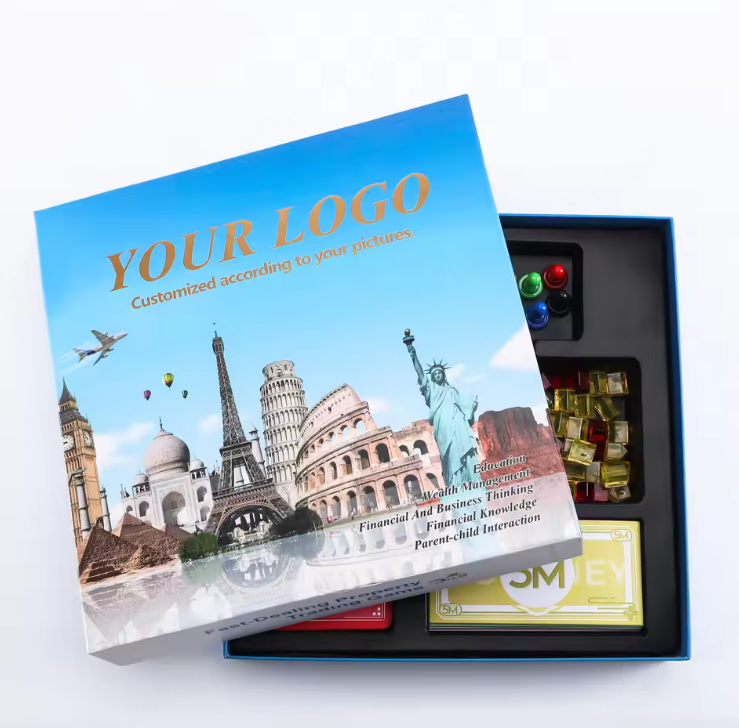
The gaming industry has experienced unprecedented growth in recent years, with custom card games emerging as a dominant force in both entertainment and educational sectors. Working with a professional card game manufacturer transforms creative concepts into tangible products that captivate players worldwide. Whether developing trading cards, educational materials, or innovative gameplay mechanics, partnering with the right manufacturing team ensures your vision becomes reality with exceptional quality and precision.
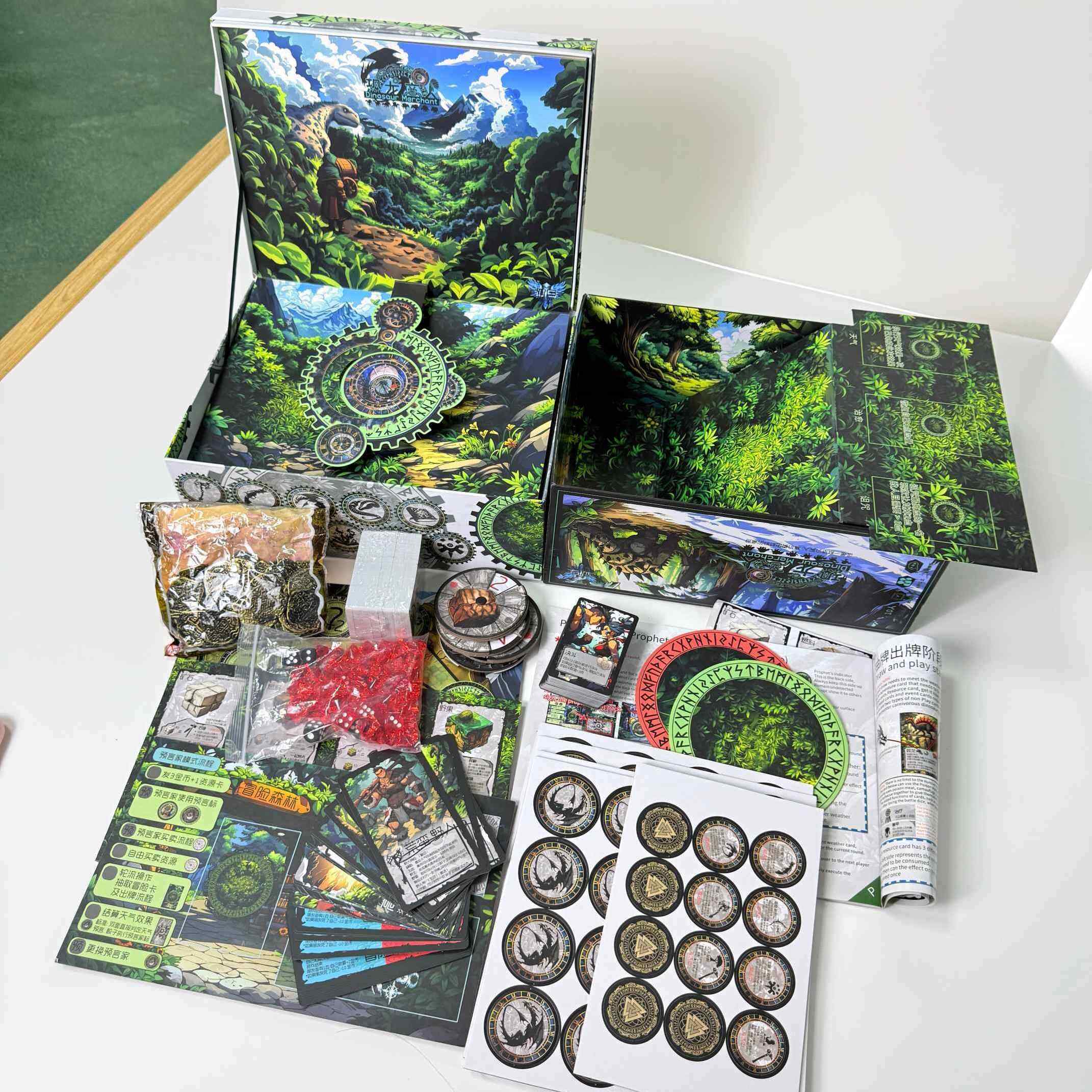
Today's market demands sophisticated production capabilities that go beyond basic printing services. A skilled card game manufacturer provides comprehensive solutions including design consultation, material selection, printing technologies, and distribution support. This collaborative approach ensures every aspect of production meets industry standards while maintaining creative integrity throughout the development process.
Understanding Modern Card Game Manufacturing
Advanced Production Technologies
Contemporary card game manufacturer facilities utilize cutting-edge digital printing equipment capable of producing vibrant, durable cards with exceptional detail resolution. High-speed offset printing machines handle large volume orders efficiently while maintaining consistent color accuracy across entire print runs. These technological advances enable manufacturers to accommodate both small prototype batches and massive commercial productions seamlessly.
Quality control systems integrated throughout production lines monitor every stage from initial substrate preparation to final packaging. Automated inspection equipment detects microscopic defects that could compromise card integrity or visual appeal. This comprehensive monitoring ensures every card meets stringent quality standards before reaching end users.
Material Selection and Durability
Premium cardstock selection forms the foundation of exceptional card game manufacturing. Professional manufacturers offer various substrate options including standard playing card stock, premium linen finishes, and specialty materials designed for specific applications. Each material type provides unique characteristics regarding durability, shuffle feel, and visual presentation.
Coating applications enhance card longevity while improving handling characteristics. Aqueous coatings provide moisture resistance and reduce wear during regular gameplay. UV coatings add glossy finishes that make colors appear more vibrant while protecting against fading. These protective treatments extend product lifespan significantly compared to uncoated alternatives.
Design Development and Prototyping Services
Creative Collaboration Process
Experienced card game manufacturer teams work closely with designers to refine artwork and optimize layouts for production requirements. This collaborative approach identifies potential manufacturing challenges early in development, preventing costly revisions during production phases. Design professionals provide valuable insights regarding print specifications, color management, and finishing options.
Prototype development allows creators to evaluate physical samples before committing to full production runs. These preliminary versions enable testing of gameplay mechanics, card durability, and overall aesthetic appeal. Feedback gathered during prototype phases informs final design adjustments that enhance player experience and manufacturing efficiency.
Artwork Preparation and Optimization
Professional prepress departments ensure artwork files meet technical specifications required for high-quality reproduction. Color separation processes optimize ink usage while maintaining visual fidelity across different printing conditions. File preparation includes bleed adjustments, resolution verification, and font embedding to prevent production delays.
Digital proofing systems generate accurate color representations that preview final printed results. These proofs allow designers to make necessary adjustments before production begins, eliminating unexpected color variations or design elements that may not reproduce effectively. This thorough preparation process minimizes waste and ensures optimal results.
Production Capabilities and Customization Options
Finishing Techniques and Special Effects
Modern card game manufacturer facilities offer extensive finishing options that enhance visual appeal and tactile experience. Foil stamping applications create metallic accents that catch light and draw attention to important design elements. Embossing techniques add dimensional texture that players can feel during handling, creating memorable interactive experiences.
Specialty inks including metallic, fluorescent, and thermochromic formulations enable unique visual effects impossible with standard printing processes. These advanced materials allow creative teams to incorporate interactive elements that respond to temperature changes or UV exposure, adding innovative gameplay mechanics that differentiate products in competitive markets.
Packaging and Distribution Solutions
Comprehensive packaging services protect finished cards during shipping while enhancing retail presentation. Custom tuck boxes, shrink wrapping, and display packaging options accommodate various distribution channels and marketing strategies. Professional manufacturers understand packaging requirements for different retail environments and international shipping regulations.
Fulfillment services streamline distribution logistics for independent creators and established publishers alike. Warehousing capabilities enable inventory management while automated shipping systems handle order processing efficiently. These integrated services allow creators to focus on game development while manufacturers handle complex logistical requirements.
Quality Assurance and Industry Standards
Comprehensive Testing Protocols
Rigorous quality assurance programs implemented by professional card game manufacturer operations ensure consistent product excellence. Durability testing evaluates card performance under simulated gameplay conditions, measuring resistance to shuffling, bending, and environmental factors. These assessments predict product lifespan and identify potential weaknesses before market release.
Color consistency verification throughout production runs maintains visual uniformity across large quantities. Spectrophotometer measurements detect minute color variations that could affect product appearance. This scientific approach ensures every card matches approved color standards regardless of production batch or timing.
Safety and Compliance Requirements
International safety standards govern card game production, particularly for products intended for children. Lead-free inks, non-toxic materials, and age-appropriate design guidelines ensure compliance with regulatory requirements across global markets. Professional manufacturers maintain certifications necessary for international distribution.
Environmental responsibility programs minimize ecological impact through sustainable material sourcing and waste reduction initiatives. Recycled content options, biodegradable packaging materials, and energy-efficient production processes demonstrate commitment to environmental stewardship while meeting growing consumer demand for sustainable products.
Market Trends and Innovation Opportunities
Emerging Technologies in Card Manufacturing
Digital integration technologies enable card game manufacturer operations to incorporate QR codes, NFC chips, and augmented reality elements into traditional card formats. These innovations bridge physical and digital gaming experiences, creating hybrid products that appeal to tech-savvy consumers while maintaining classic gameplay appeal.
Variable data printing capabilities allow mass customization where individual cards within production runs contain unique information or personalized elements. This technology enables collectible card games with truly unique items while supporting educational applications requiring individualized content for different learning objectives.
Sustainable Manufacturing Practices
Environmental consciousness drives innovation in sustainable manufacturing processes throughout the card game industry. Water-based inks, renewable energy systems, and closed-loop recycling programs reduce environmental impact while maintaining product quality. These initiatives appeal to environmentally conscious consumers while supporting corporate sustainability goals.
Carbon footprint reduction strategies include local sourcing initiatives, transportation optimization, and energy-efficient equipment upgrades. Forward-thinking card game manufacturer operations implement comprehensive sustainability programs that address every aspect of production while maintaining competitive pricing and delivery schedules.
Cost Considerations and Budget Planning
Factors Affecting Production Costs
Understanding cost variables enables effective budget planning for card game development projects. Quantity requirements significantly impact per-unit pricing, with larger orders benefiting from economies of scale that reduce individual card costs. Material selections, finishing options, and packaging complexity also influence overall project expenses.
Timeline considerations affect pricing structures as rush orders require expedited processing that increases costs. Planning production schedules well in advance allows card game manufacturer teams to optimize workflow efficiency while providing competitive pricing. Early engagement in planning phases often results in cost savings through improved design optimization.
Value Engineering Opportunities
Collaborative value engineering identifies opportunities to reduce costs without compromising product quality or aesthetic appeal. Alternative material selections, modified finishing techniques, or optimized packaging designs can significantly impact project budgets while maintaining design integrity. Experienced manufacturers provide valuable insights regarding cost-effective alternatives.
Production efficiency improvements developed through manufacturer expertise often result in unexpected cost savings. Optimized print layouts, efficient color usage, and streamlined finishing processes reduce material waste and production time. These optimizations benefit both manufacturers and clients through improved profitability and competitive pricing.
FAQ
What minimum order quantities do card game manufacturers typically require
Most professional card game manufacturer operations establish minimum order quantities ranging from 500 to 2500 units depending on complexity and customization requirements. Smaller prototype runs may be available at premium pricing for testing purposes. These minimums ensure production efficiency while maintaining competitive per-unit costs for clients.
How long does custom card game production typically take from approval to delivery
Standard production timelines range from 2-6 weeks depending on order complexity, quantity, and current facility capacity. Rush orders may be accommodated with expedited processing for additional fees. Factors affecting timeline include artwork preparation requirements, material availability, and finishing complexity. Early planning and clear communication help ensure timely delivery.
What file formats and specifications are required for card artwork submission
Professional manufacturers typically require high-resolution PDF files with embedded fonts and proper bleed margins. CMYK color mode ensures accurate color reproduction while 300 DPI resolution provides sufficient detail for crisp printing. Specific technical requirements vary between facilities, so consulting with production teams during design phases prevents formatting issues.
Can card game manufacturers provide design assistance for new creators
Many experienced card game manufacturer facilities offer design consultation services to help new creators optimize their concepts for production. These services may include layout optimization, material recommendations, and technical guidance regarding printing limitations. Some manufacturers maintain in-house design teams that provide comprehensive creative services from concept development through final production.
Table of Contents
- Understanding Modern Card Game Manufacturing
- Design Development and Prototyping Services
- Production Capabilities and Customization Options
- Quality Assurance and Industry Standards
- Market Trends and Innovation Opportunities
- Cost Considerations and Budget Planning
-
FAQ
- What minimum order quantities do card game manufacturers typically require
- How long does custom card game production typically take from approval to delivery
- What file formats and specifications are required for card artwork submission
- Can card game manufacturers provide design assistance for new creators