
 EN
EN



Transforming a board game prototype into a mass-produced product requires far more than a brilliant design and a passionate community. Board game manufacturers play a critical role in bridging the gap between your tabletop vision and retail shelves. Understanding how board game manufacturers approach scaling is essential for any creator looking to move from prototype validation to commercial viability. The journey involves technical expertise, supply chain optimization, quality control integration, and strategic planning that most first-time designers underestimate.
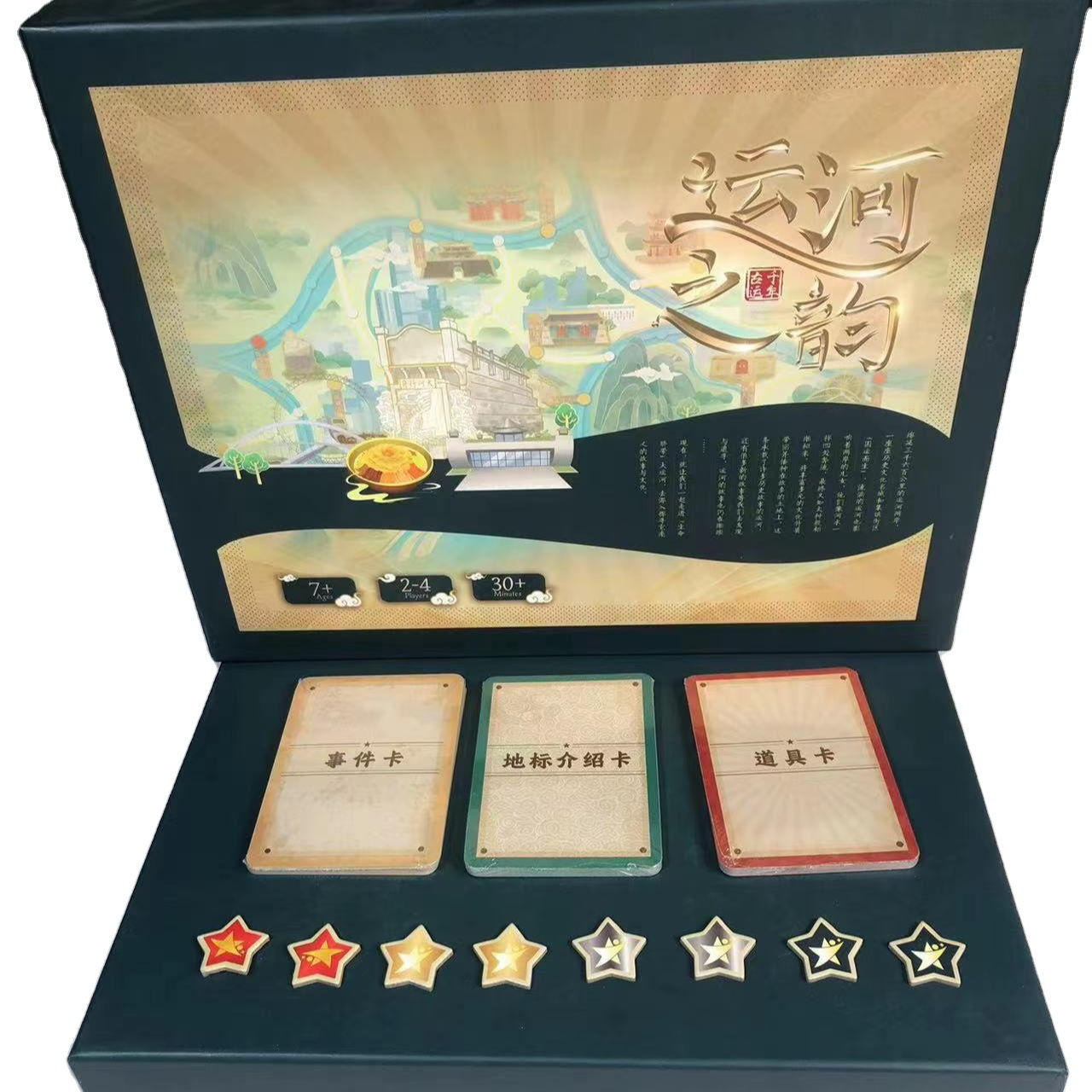
Board game manufacturers bring specialized knowledge and infrastructure that cannot be replicated in garage prototyping. They understand production economics, material sourcing, tooling requirements, and regulatory compliance across different markets. Working with experienced board game manufacturers allows you to leverage their existing networks, equipment, and process optimization rather than building these capabilities from scratch. This partnership fundamentally changes your path to market success.
Understanding the Role of Board Game Manufacturers in Scaling
Why Board Game Manufacturers Matter for Prototype Scaling
Board game manufacturers serve as partners who translate design intent into manufacturable reality. When you approach board game manufacturers with a prototype, they evaluate your design against production feasibility, cost structure, and market viability. A reputable manufacturer will identify potential manufacturing challenges early, such as complex component geometries, material compatibility issues, or assembly bottlenecks. This early feedback prevents costly redesigns later and accelerates your path to production. Board game manufacturers also maintain relationships with component suppliers, card stock vendors, box manufacturers, and logistics providers, creating an integrated ecosystem that independent designers cannot access easily.
The Assessment Process Board Game Manufacturers Use
When you submit your prototype to board game manufacturers, they conduct a detailed technical and commercial assessment. Board game manufacturers examine component complexity, material specifications, assembly requirements, and production volume assumptions. They create preliminary cost estimates and identify which elements of your design will drive production expenses. This evaluation determines whether your prototype concept can reach your target retail price while maintaining acceptable margins. Board game manufacturers also consider your production volume forecasts, market timing, and competitive positioning to align manufacturing strategy with business reality.
The Manufacturing Process for Scaling Board Game Production
Tooling and Die Development for Board Game Manufacturers
Board game manufacturers recognize that tooling represents a significant investment that directly impacts per-unit costs. For board game manufacturers handling dice, game pieces, or custom components, tooling can range from injection mold creation to die-cutting templates. The decision of which components require custom tooling and which can use existing tools is critical. Board game manufacturers optimize this balance by identifying components that fit existing tooling specifications, reducing upfront expenses while maintaining design quality. Custom tooling is reserved for components that meaningfully differentiate your game and justify the investment through volume projections.
Material Selection and Supply Chain Integration
Board game manufacturers work with established suppliers to source cardboard, paper stocks, plastic components, and specialty materials at production volumes. They maintain relationships that ensure consistent quality and reliable delivery timelines. Board game manufacturers can recommend material substitutions that reduce costs without compromising gameplay experience or perceived quality. The supply chain coordination that board game manufacturers provide prevents common scaling problems like material shortages, quality inconsistencies, or unexpected price fluctuations that can devastate a new product launch.
Quality Control and Production Optimization by Board Game Manufacturers
Quality Assurance Protocols Board Game Manufacturers Implement
Board game manufacturers establish quality checkpoints throughout production to catch defects before they reach customers. Statistical sampling, component verification, assembly inspection, and final packaging review are standard practices. Board game manufacturers understand that quality failures in board games have outsized impact because customers experience the product for extended periods and often share experiences within gaming communities. Implementing robust quality processes from initial production runs prevents reputation damage and reduces warranty costs. Board game manufacturers also create quality documentation that helps identify and quickly address any issues discovered post-launch.
Production Scheduling and Capacity Planning
Board game manufacturers coordinate complex production schedules that balance your project needs with facility capacity. They manage lead times for component production, assembly windows, quality testing phases, and packaging. Board game manufacturers use production forecasts to secure supplier commitments and factory time. For first-time scaling projects, board game manufacturers often recommend a phased production approach, starting with smaller pilot runs to validate processes before full-scale manufacturing. This reduces financial risk while allowing refinements based on actual production data rather than theoretical assumptions.
Cost Management and Business Strategy for Scaling Success
Price-Point Optimization Through Board Game Manufacturers
Board game manufacturers provide transparent cost breakdowns that inform your retail pricing strategy. They detail material costs, labor expenses, overhead allocation, tooling amortization, and logistics charges. Understanding where money goes in production helps you make informed decisions about component choices and volume commitments. Board game manufacturers often reveal opportunities to reduce costs through design modifications, material alternatives, or production efficiency improvements. These insights come from years of production experience and allow you to maintain healthy margins while remaining competitive in retail environments.
Volume Negotiation and Pricing Tiers
Board game manufacturers typically offer volume-based pricing that rewards larger production commitments. Understanding how board game manufacturers structure these pricing tiers helps you forecast accurately and plan expansion strategies. Many board game manufacturers offer pricing for 5,000-unit, 25,000-unit, and 50,000-unit volumes, with significant per-unit savings at higher quantities. This structure incentivizes scaling and allows board game manufacturers to plan capacity investments. First-time creators working with board game manufacturers should discuss minimum order quantities and explore whether phased scaling is possible to manage financial risk.
FAQ
How long does it take board game manufacturers to scale a prototype to mass production?
The timeline depends on design complexity and tooling requirements. Board game manufacturers typically need 8-16 weeks from order confirmation to first production delivery, assuming design is finalized and no major tooling is required. Games requiring custom molds or complex assembly may need 16-24 weeks. Board game manufacturers can often expedite timelines with premium fees. Early communication about your launch timeline allows board game manufacturers to plan capacity and supplier coordination accordingly.
What happens if my game design needs modifications during the scaling process with board game manufacturers?
Board game manufacturers expect and accommodate design refinements during early production phases. Minor adjustments to colors, text, or component arrangement can usually be implemented without significant delays or cost increases. However, board game manufacturers charge for more substantial changes like new tooling or material substitution. Most board game manufacturers allow design freeze windows before production begins, after which changes become expensive. Building flexibility into early production runs gives you opportunity to refine based on real manufacturing feedback.
How do board game manufacturers help reduce my production costs when scaling?
Board game manufacturers reduce costs through material optimization, production process efficiency, and supplier relationships. They identify components that can use existing tooling instead of custom development. Board game manufacturers negotiate supplier pricing based on collective volume across multiple clients and secure long-term supply agreements. They also recommend design modifications that maintain functionality while reducing material waste or assembly complexity. Transparent cost sharing means your cost reductions translate directly to better margins.