
 EN
EN



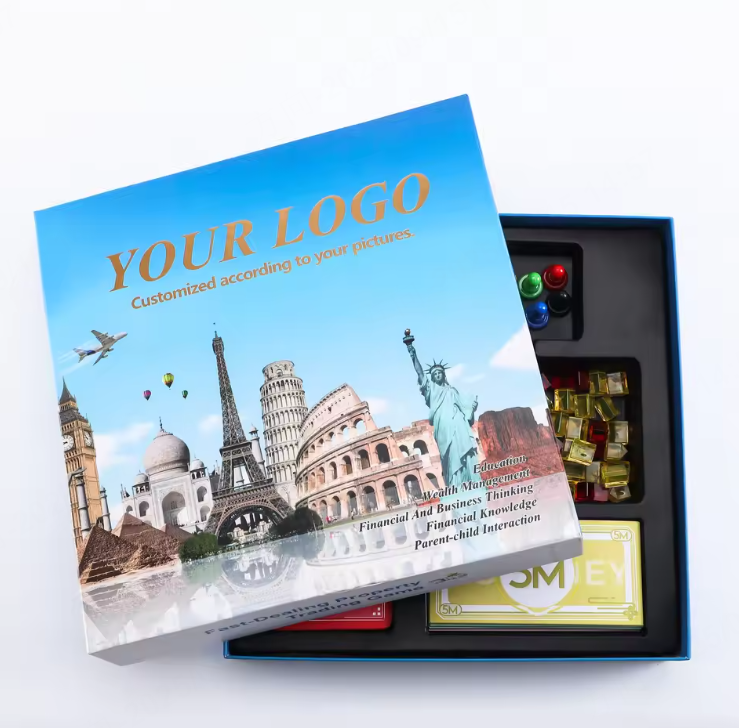
The world of custom board game development has evolved dramatically over the past few years, transforming from a niche hobby into a thriving industry worth billions of dollars. Whether you're an aspiring game designer, an entrepreneur looking to create corporate training tools, or a passionate gamer wanting to bring your unique vision to life, understanding the financial landscape of custom board game production is crucial for making informed decisions. The costs associated with creating a custom board game can vary significantly depending on numerous factors, from the complexity of components to the quantity you plan to produce, making it essential to approach your budgeting with a clear understanding of what drives these expenses.
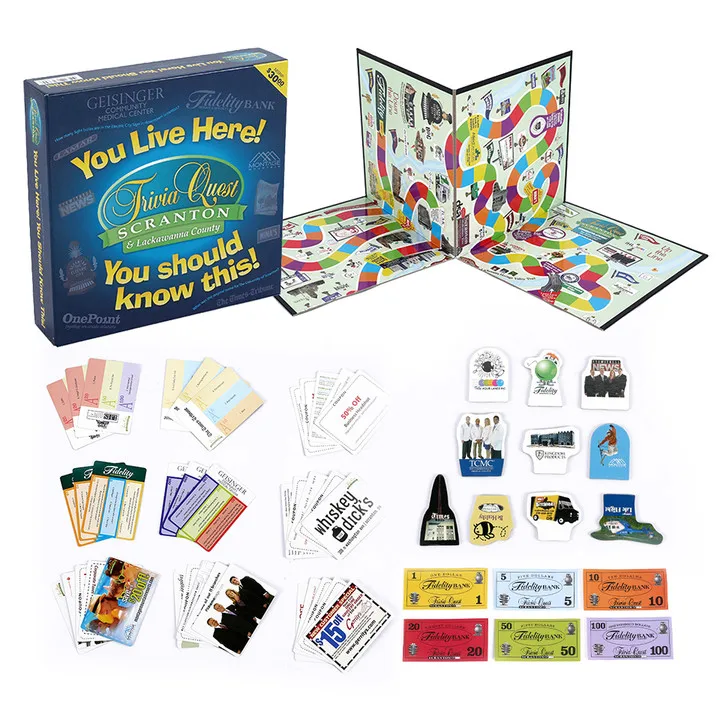
The custom board game market has experienced unprecedented growth, with industry analysts projecting continued expansion through 2025 and beyond. This growth has been fueled by several factors including increased interest in analog gaming, the rise of crowdfunding platforms that make game publishing more accessible, and the growing recognition of board games as effective tools for education and team building. As more people discover the joy and satisfaction of creating their own games, the demand for professional custom board game manufacturing services has skyrocketed, leading to more competitive pricing and innovative production techniques.
Understanding the Foundation Costs of Custom Board Game Production
Component Materials and Manufacturing Basics
The foundation of any custom board game project lies in understanding the basic manufacturing costs that will significantly impact your overall budget. Card stock quality represents one of the most fundamental decisions you'll make, as it directly affects both the durability and feel of your game. Premium playing cards typically use 300-350 GSM cardstock with linen finish, while budget options might utilize 250-280 GSM with basic coating, creating a substantial price difference that compounds across large print runs.
Game boards present another critical cost consideration, with folded boards generally offering the most economical solution for standard-sized games, while mounted boards provide superior durability at a premium price point. The thickness and finish of your game board will influence player perception and longevity, making it important to balance cost considerations with quality expectations. Additionally, the size and complexity of your board design will affect die-cutting costs, as intricate shapes and multiple fold lines require more sophisticated manufacturing processes.
Packaging and Presentation Elements
Professional packaging serves as the first impression your custom board game makes on players, and the associated costs can vary dramatically based on your chosen approach. Standard tuck boxes represent the most economical packaging solution, while rigid boxes with magnetic closures or complex insert systems can multiply packaging costs by three to five times. The decision between shrink-wrapping and heat-sealing also impacts both cost and perceived quality, with heat-sealed packaging generally providing better protection at a slightly higher price point.
Custom inserts and organizers have become increasingly popular among board game enthusiasts, but they represent a significant cost consideration that must be weighed against their benefits. Thermoformed plastic inserts offer excellent component organization and protection but can add substantial expense to smaller print runs, while cardboard dividers provide a more budget-friendly alternative that still enhances the unboxing experience. The complexity of your insert design will directly correlate with manufacturing costs, as intricate compartments and custom-fitted sections require specialized tooling and additional production time.
Design Development and Prototyping Expenses
Professional Design Services
Investing in professional design services represents one of the most critical decisions in your custom board game development process, as the quality of artwork and graphic design significantly influences market reception and sales potential. Freelance illustrators typically charge between fifty to two hundred dollars per hour depending on their experience level and portfolio quality, while established game art studios may command premium rates for comprehensive design packages that include complete visual identity development.
The scope of design work required for your project will depend heavily on the visual complexity and thematic requirements of your game concept. Simple abstract games with minimalist aesthetics may require relatively modest design investments, while elaborate thematic games featuring detailed character artwork, complex board illustrations, and numerous card designs can easily consume thousands of dollars in professional design fees. Many successful game creators recommend allocating between ten to twenty percent of their total production budget specifically for professional design and artwork services.
Prototyping and Testing Phases
The prototyping phase represents an essential investment that many newcomers to custom board game development underestimate in their initial budgeting calculations. Professional prototype manufacturing services typically charge premium rates for small quantities, with costs ranging from several hundred to over a thousand dollars depending on component complexity and quality requirements. However, these professional prototypes prove invaluable for playtesting, marketing purposes, and demonstrating your concept to potential publishers or investors.
Multiple iteration cycles are standard practice in professional game development, as initial prototypes almost invariably reveal design issues or improvement opportunities that require additional refinement. Each prototype iteration incurs additional costs for materials, printing, and assembly, making it crucial to budget for at least three to five prototype versions throughout your development process. Print-on-demand services have revolutionized prototype creation by offering smaller quantities at reasonable prices, though the per-unit costs remain significantly higher than full production runs.
Production Quantity Impact on Pricing Structure
Understanding Manufacturing Economics
The relationship between production quantity and per-unit costs represents one of the most significant factors influencing your custom board game budget, as manufacturing economics strongly favor larger production runs through economies of scale. Initial setup costs for printing plates, die-cutting tools, and quality control procedures remain relatively fixed regardless of quantity, meaning these expenses are distributed across more units in larger runs, dramatically reducing the per-game cost structure.
Most professional manufacturers establish clear price breaks at specific quantity thresholds, typically starting around five hundred units for small runs and offering the most attractive pricing at quantities exceeding five thousand pieces. The difference between small and large run pricing can be substantial, with per-unit costs potentially decreasing by fifty percent or more when moving from prototype quantities to full production volumes. This economic reality often forces game creators to carefully balance their risk tolerance against the potential cost savings of larger production commitments.
Inventory Management Considerations
While larger production runs offer attractive per-unit pricing, they also introduce significant inventory management challenges that must be factored into your overall financial planning. Storing thousands of board game boxes requires substantial warehouse space, and the associated costs for storage, insurance, and inventory management can quickly erode the savings achieved through volume pricing. Additionally, the financial risk of overproduction increases substantially with larger runs, as unsuccessful games may result in significant losses when large inventories cannot be sold.
Many experienced publishers recommend starting with smaller production runs to test market reception before committing to larger quantities, even if this approach results in higher per-unit costs initially. The ability to gauge market demand and refine your product based on customer feedback often proves more valuable than the immediate cost savings of large production runs. Furthermore, the board game market's seasonal nature means that inventory timing can significantly impact sales success, making smaller, more frequent production runs an attractive strategy for maintaining fresh stock and adapting to market feedback.
International Manufacturing and Logistics
Global Manufacturing Options
The globalization of board game manufacturing has created numerous opportunities for cost optimization, though it also introduces complexity in terms of quality control, communication, and logistics coordination. Asian manufacturers, particularly those based in China, have dominated the custom board game production landscape due to their combination of competitive pricing, advanced manufacturing capabilities, and extensive experience with international board game projects. However, working with overseas manufacturers requires careful consideration of factors beyond simple cost comparisons.
Communication challenges, time zone differences, and cultural considerations can significantly impact project timelines and outcomes when working with international manufacturers. Quality control becomes more complex when production facilities are located thousands of miles away, making it essential to establish clear quality standards and inspection procedures before production begins. Many successful game publishers invest in third-party quality inspection services or maintain relationships with local representatives who can oversee production processes and ensure adherence to specifications.
Shipping and Import Considerations
International shipping costs represent a significant budget item that many first-time game creators underestimate in their initial planning phases. Ocean freight typically offers the most economical shipping option for large quantities, but delivery times can extend from four to eight weeks depending on destination and customs processing requirements. Air freight provides faster delivery but at substantially higher costs that can easily double or triple your logistics expenses, making it suitable primarily for urgent situations or high-value products.
Import duties, customs clearance fees, and local handling charges add additional complexity to international manufacturing arrangements, with costs varying significantly based on destination country regulations and product classifications. The classification of board games under various harmonized tariff codes can impact duty rates, and recent trade policy changes have introduced additional uncertainty into international shipping calculations. Many experienced publishers work with customs brokers or freight forwarders who specialize in game imports to navigate these complexities and ensure compliance with all relevant regulations.
Technology Integration and Digital Components
Hybrid Gaming Experiences
The integration of digital technology with traditional board gaming has opened new possibilities for custom board game experiences, though it also introduces additional cost considerations that must be carefully evaluated. Companion mobile applications can enhance gameplay through features like automated scoring, atmospheric sound effects, or augmented reality elements, but app development costs can easily exceed the budget for physical game production, particularly for complex interactive features.
Near-field communication tags, QR codes, and other embedded technologies offer innovative ways to bridge physical and digital gaming experiences without requiring extensive app development investments. These technologies enable features like instant rule lookups, tutorial videos, or online leaderboards while maintaining the tactile satisfaction of traditional board gaming. However, the integration of any technology components requires careful consideration of ongoing support costs, platform compatibility issues, and the potential for technical obsolescence over the game's lifespan.
Digital Marketing and Distribution Tools
Modern custom board game marketing increasingly relies on digital tools and platforms that can significantly impact overall project costs while providing unprecedented access to global audiences. Professional photography and videography for marketing materials represent essential investments, as high-quality visual content drives engagement across crowdfunding platforms, social media channels, and retail partnerships. The cost of professional marketing content creation can range from hundreds to thousands of dollars, depending on the complexity and scope of materials required.
Crowdfunding platform fees, payment processing charges, and fulfillment service costs add substantial expense to direct-to-consumer distribution strategies, often totaling ten to fifteen percent of gross sales revenue. However, these digital distribution channels provide access to global markets and valuable customer data that traditional retail partnerships cannot match. The decision between self-fulfillment and third-party logistics services involves complex cost-benefit calculations that must account for shipping efficiency, customer service quality, and scalability requirements as your business grows.
Quality Control and Testing Investment
Professional Testing Services
Investing in comprehensive quality control and testing services represents a critical expense that can prevent costly problems after production begins, yet many independent game creators underestimate the importance of professional testing protocols. Third-party playtesting services provide objective feedback from experienced gamers who can identify balance issues, rule ambiguities, and accessibility concerns that creators may overlook due to their intimate familiarity with the game concept.
Professional testing services typically charge hourly rates for structured playtesting sessions, with comprehensive evaluations requiring multiple sessions across diverse player demographics to ensure broad appeal and accessibility. The investment in professional testing often pays dividends through improved game balance, clearer rule structures, and enhanced player engagement, ultimately leading to better reviews and stronger sales performance in competitive markets.
Manufacturing Quality Assurance
Establishing robust quality assurance protocols during the manufacturing process requires additional investment but proves essential for maintaining brand reputation and customer satisfaction. Pre-production samples allow creators to verify component quality, color accuracy, and assembly procedures before committing to full production runs, while ongoing quality monitoring during production helps identify and correct issues before they affect large quantities of games.
The cost of quality control measures varies significantly based on production complexity and risk tolerance, with basic visual inspections representing minimal additional expense while comprehensive testing of every component type can add substantial costs to production budgets. However, the expense of quality control measures pales in comparison to the potential costs of product recalls, customer refunds, or damaged brand reputation resulting from quality failures that reach consumers.
Frequently Asked Questions
What is the minimum budget needed to produce a professional custom board game
The minimum budget for professional custom board game production typically ranges from five thousand to fifteen thousand dollars for initial runs of five hundred to one thousand copies. This budget covers basic component manufacturing, simple packaging, and minimal design work, assuming creators handle most marketing and fulfillment activities themselves. However, more complex games with premium components, extensive artwork, or innovative mechanics can easily require budgets exceeding twenty-five thousand dollars for similar quantities.
How do crowdfunding costs affect overall project budgeting
Crowdfunding platforms typically charge five to eight percent of total funds raised in combined platform and payment processing fees, while fulfillment costs can add another ten to fifteen percent depending on shipping complexity and international delivery requirements. Additionally, successful crowdfunding campaigns often generate stretch goals and add-ons that increase production complexity and costs beyond initial estimates, making it crucial to budget conservatively and maintain financial flexibility throughout the campaign process.
What factors most significantly impact custom board game production costs
Production quantity represents the single most significant factor affecting per-unit costs, with price breaks typically occurring at five hundred, one thousand, three thousand, and five thousand unit thresholds. Component complexity, including specialized pieces, premium materials, and custom packaging solutions, can dramatically increase costs regardless of quantity. Additionally, the choice between domestic and international manufacturing creates substantial cost differences, though international options require careful consideration of shipping, duties, and quality control challenges.
How should creators budget for unexpected expenses during game development
Industry experts recommend maintaining a contingency budget of twenty to thirty percent above estimated costs to account for design revisions, additional prototype iterations, shipping delays, and quality issues that commonly arise during production. This buffer proves essential for maintaining project timelines and quality standards when unexpected challenges emerge. Additionally, creators should budget for post-launch expenses including customer service, potential reprints, and marketing activities that extend beyond initial launch periods.
Table of Contents
- Understanding the Foundation Costs of Custom Board Game Production
- Design Development and Prototyping Expenses
- Production Quantity Impact on Pricing Structure
- International Manufacturing and Logistics
- Technology Integration and Digital Components
- Quality Control and Testing Investment
- Frequently Asked Questions