
 EN
EN


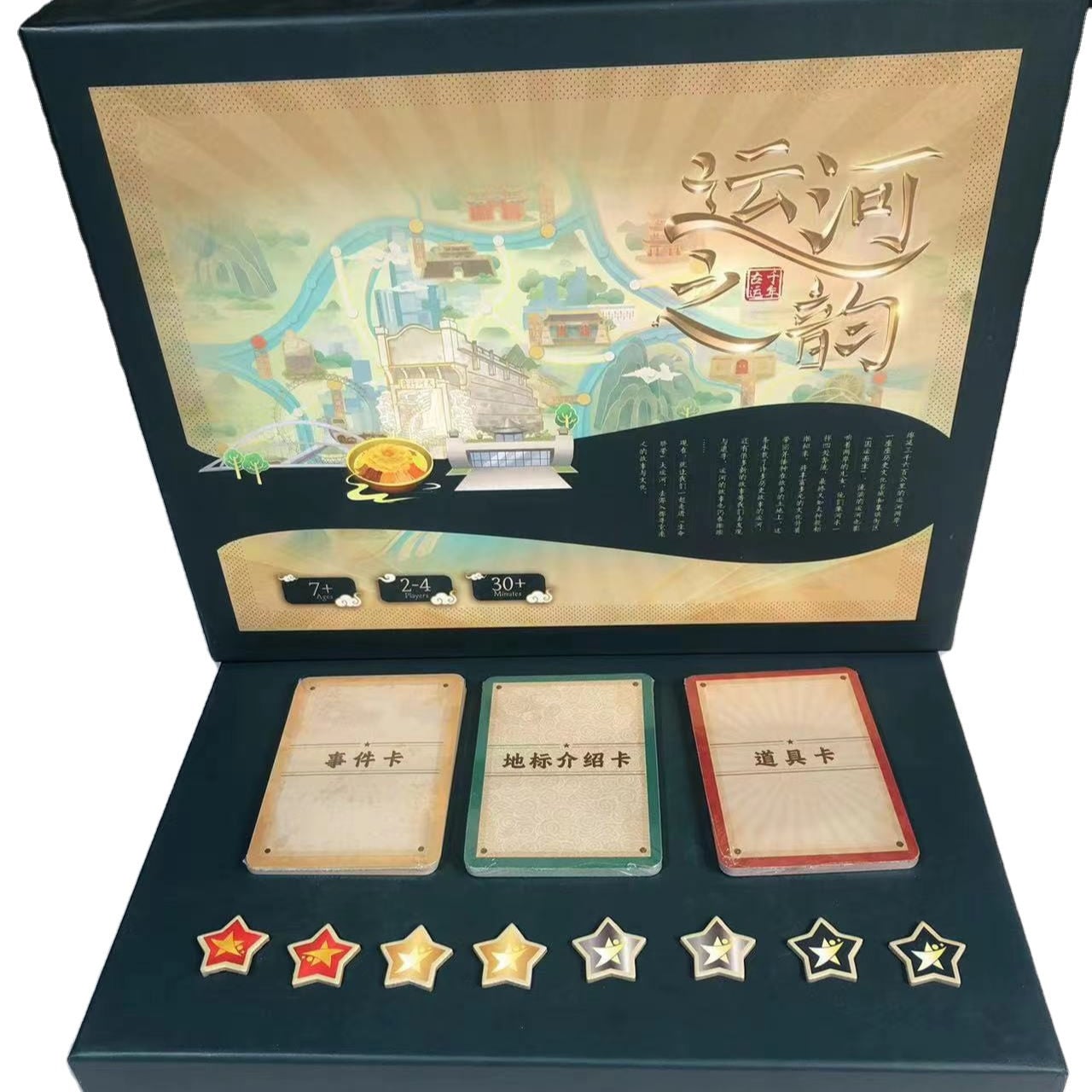
Board game manufacturers face critical decisions when selecting paper stocks and boards for their products. The quality, durability, and aesthetic appeal of these materials directly influence the final game experience, production costs, and customer satisfaction. Understanding the different paper stocks and boards available is essential for any organization involved in game manufacturing, as the right material selection can elevate a product from average to exceptional while maintaining competitive pricing.
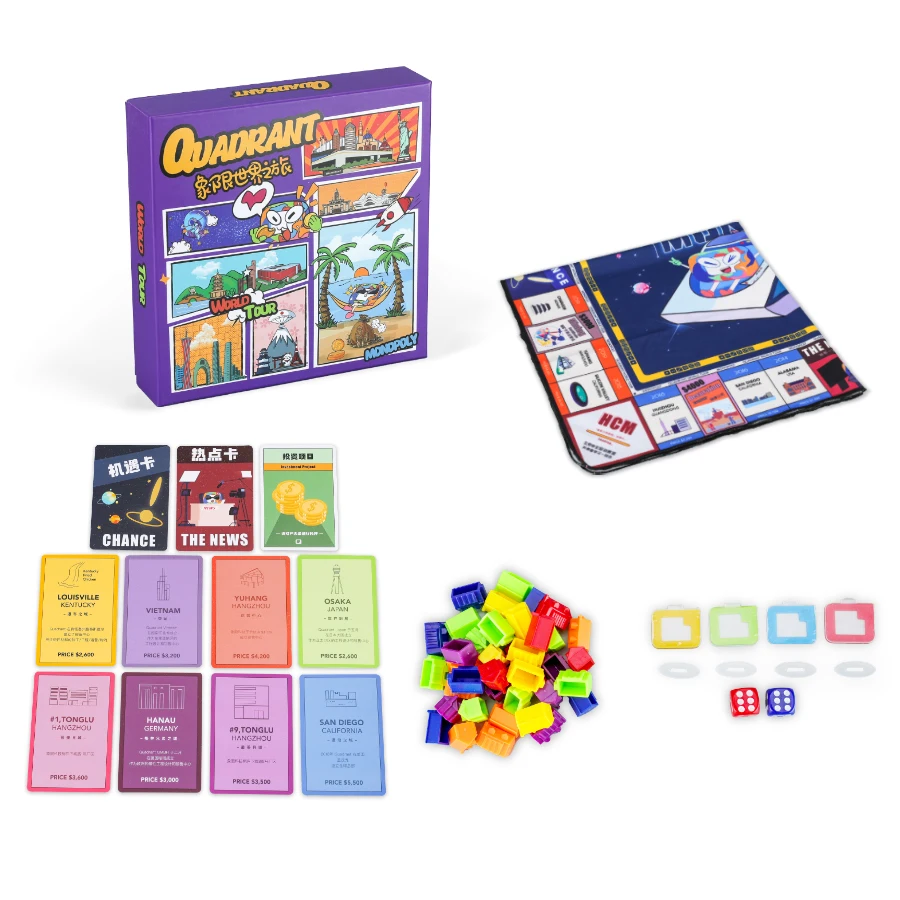
Professional board game manufacturers understand that material choices define gameplay longevity and user perception. From lightweight card stocks to reinforced game boards, each material serves specific functional and aesthetic purposes. Board game manufacturers must balance performance requirements with cost efficiency, sustainability concerns, and manufacturing timelines. This guide explores the principal paper and board options available, helping production teams make informed decisions that align with their game's design, target market, and business objectives.
Understanding Core Board Materials for Game Production
Game Board Substrate Options
Board game manufacturers typically select from several substrate types when creating the primary playing surface. Standard chipboard remains a popular choice, offering reliable rigidity and cost-effectiveness for traditional board game manufacturers seeking mid-range durability. Grey chipboard, blue chipboard, and white chipboard each present distinct advantages depending on the game's visual design and handling demands. Board game manufacturers selecting chipboard benefit from its proven track record, ease of printing, and reasonable price point for mass production runs.
Thicker substrates provide superior durability and premium feel, which many board game manufacturers prefer for higher-end products. Coated boards add protective layers that resist moisture, wear, and finger oils, extending the lifespan of the game board significantly. Board game manufacturers investing in coated options often see improved customer reviews and reduced replacement requests. For games experiencing frequent handling or intended for institutional settings like schools and libraries, board game manufacturers frequently choose reinforced cardboard or laminated boards that withstand extended use without delamination or visible wear.
Specialty Substrates and Premium Options
Advanced board game manufacturers explore specialty materials that differentiate their offerings in competitive markets. Rigid boxes and mounted boards provide exceptional structural integrity, making them ideal for complex strategic games requiring frequent player interaction. Recycled and sustainably sourced boards appeal to environmentally conscious consumers and align with modern corporate responsibility expectations. Board game manufacturers committed to sustainability can source FSC-certified chipboard and eco-friendly coatings without sacrificing performance or aesthetic quality, thereby satisfying both functional and ethical product requirements.
Some board game manufacturers experiment with alternative materials such as magnetic boards, interlocking puzzle-style components, or 3D-formed boards that create unique tactile experiences. These innovations require specialized manufacturing processes and equipment investment, but board game manufacturers utilizing such materials often capture niche markets willing to pay premium prices. Understanding material capabilities and manufacturing constraints helps board game manufacturers innovate responsibly and deliver products that generate excitement within their target communities.
Paper Stocks for Cards, Components, and Packaging
Card Stock Selection and Specifications
Card stocks represent a significant portion of game component materials, and board game manufacturers must evaluate multiple specifications to ensure optimal performance. Standard card weights range from 250 gsm to 350 gsm, with heavier stocks providing better shuffle feel and perceived quality. Board game manufacturers designing strategy-heavy games with extensive card decks often select 300 gsm or higher to ensure cards withstand hundreds of plays without edge wear or corner bending. Linen finishes provide superior handling characteristics, reducing slipperiness and improving grip, which board game manufacturers recognize as crucial for positive gameplay experiences.
Specialty card stocks featuring holographic, textured, or metallic surfaces allow board game manufacturers to create visually distinctive components that enhance immersion and collectibility. Art paper with matte or gloss finishes accommodates different printing techniques and aesthetic goals. Board game manufacturers must coordinate card stock selection with their printing vendor early in development, as different stocks require adjusted press settings, ink formulations, and drying times. Premium card stocks add manufacturing complexity but allow board game manufacturers to justify higher retail prices and build brand reputation for quality craftsmanship.
Packaging and Insert Materials
Board game manufacturers recognize that protective packaging and interior inserts significantly impact unboxing experience and long-term product preservation. Corrugated cardboard provides cost-effective structural protection for shipping and retail display, making it the default choice for outer boxes in most board game manufacturers' production workflows. Interior insert materials prevent component shifting during transport, protect delicate elements, and enhance perceived value at opening. Foam inserts, chipboard trays, and custom die-cut cardboard inserts each serve specific organizational and protective functions.
Rulebook and reference card materials deserve careful consideration from board game manufacturers aiming to deliver professional, durable products. Premium glossy paper, silk finishes, or even cardstock rule books elevate the overall product presentation and withstand repeated reference during gameplay. Board game manufacturers producing educational or institutional games often select materials offering extended lifespan and washability, recognizing that school and library copies experience higher usage intensity than consumer versions. Investment in quality insert and packaging materials pays dividends through reduced damage claims, improved customer retention, and stronger brand loyalty among discerning players.
Production Considerations and Material Performance
Durability and Gameplay Longevity
Material durability directly affects how board game manufacturers manage product liability, warranty claims, and customer satisfaction metrics. Games subjected to intensive play or outdoor use demand superior material resilience, which board game manufacturers achieve through thicker substrates, protective coatings, and reinforced edges. Shuffle testing, corner wear assessments, and moisture resistance evaluations help board game manufacturers validate material choices before mass production commitment. Board game manufacturers conducting rigorous material testing identify potential failure points early, enabling corrective adjustments that prevent costly post-launch quality issues.
Environmental factors influence material selection significantly, and board game manufacturers must consider humidity, temperature fluctuations, and storage conditions in their target markets. Moisture-resistant boards and sealed packaging protect games stored in basements, garages, or climates with high humidity. Board game manufacturers targeting international markets must account for shipping conditions and climate variability, selecting materials robust enough to survive extended transit without warping, delamination, or color degradation. This foresight prevents negative customer experiences and reduces international return rates that damage brand reputation.
Cost-to-Quality Balance and Production Scalability
Board game manufacturers constantly optimize the relationship between material costs and perceived quality, seeking the highest value proposition within their production budget. Bulk purchasing agreements with paper suppliers enable board game manufacturers to reduce per-unit material costs while maintaining consistent quality across large print runs. Material standardization simplifies supply chain management and allows board game manufacturers to negotiate better pricing for high-volume orders. Experienced board game manufacturers develop vendor relationships based on reliability, quality consistency, and flexibility in accommodating design changes without excessive surcharges.
Scaling production introduces new material considerations for board game manufacturers expanding from prototype runs to commercial quantities. Certain specialty stocks may have minimum order requirements or extended lead times that board game manufacturers must plan around to meet retail deadlines. Board game manufacturers successful in crowdfunding campaigns often face unexpected demand spikes requiring rapid supplier coordination and material sourcing. Building relationships with multiple suppliers and maintaining flexible material specifications allows board game manufacturers to adapt to market demand while protecting profitability and delivery schedules.
FAQ
What thickness of board do board game manufacturers typically use for standard board games?
Most board game manufacturers use boards ranging from 1.5mm to 3mm thickness for standard board game components. Lightweight games typically employ 1.5mm to 2mm chipboard, while complex strategy games and premium products use 2.5mm to 3mm thickness. Board game manufacturers select thickness based on gameplay durability requirements, player handling intensity, and aesthetic preferences. Thicker boards feel more substantial and durable but increase production costs and shipping weight, which board game manufacturers must weigh against market positioning and price sensitivity of their target audience.
How do board game manufacturers ensure cards remain in good condition after multiple plays?
Board game manufacturers protect cards through material selection, protective coatings, and packaging strategies. High-quality card stocks with linen finishes and protective varnish coatings resist wear, bending, and shuffling damage significantly better than standard paper. Board game manufacturers often include card sleeves with premium game editions or recommend them in rulebooks as optional accessories. Some board game manufacturers employ embossing or special texturing that improves grip and reduces slippage, minimizing corner wear and extending card lifespan. Proper packaging inserts that prevent card shifting during shipping and storage also contribute substantially to long-term card preservation.
Are sustainable materials viable options for board game manufacturers concerned about environmental impact?
Yes, sustainable materials are increasingly viable and desirable for board game manufacturers seeking environmental responsibility and market differentiation. FSC-certified chipboard, recycled content cardboard, and biodegradable coatings offer comparable performance to traditional materials while reducing environmental footprint. Board game manufacturers utilizing eco-friendly materials often attract environmentally conscious consumers willing to pay premium prices, offsetting slightly higher material costs. Major publishers and independent board game manufacturers have successfully launched games using sustainable packaging and boards, demonstrating both market viability and positive consumer reception. As supply chains mature and production volumes increase, sustainable materials continue becoming more cost-competitive, making them accessible to board game manufacturers of all sizes.