
 EN
EN


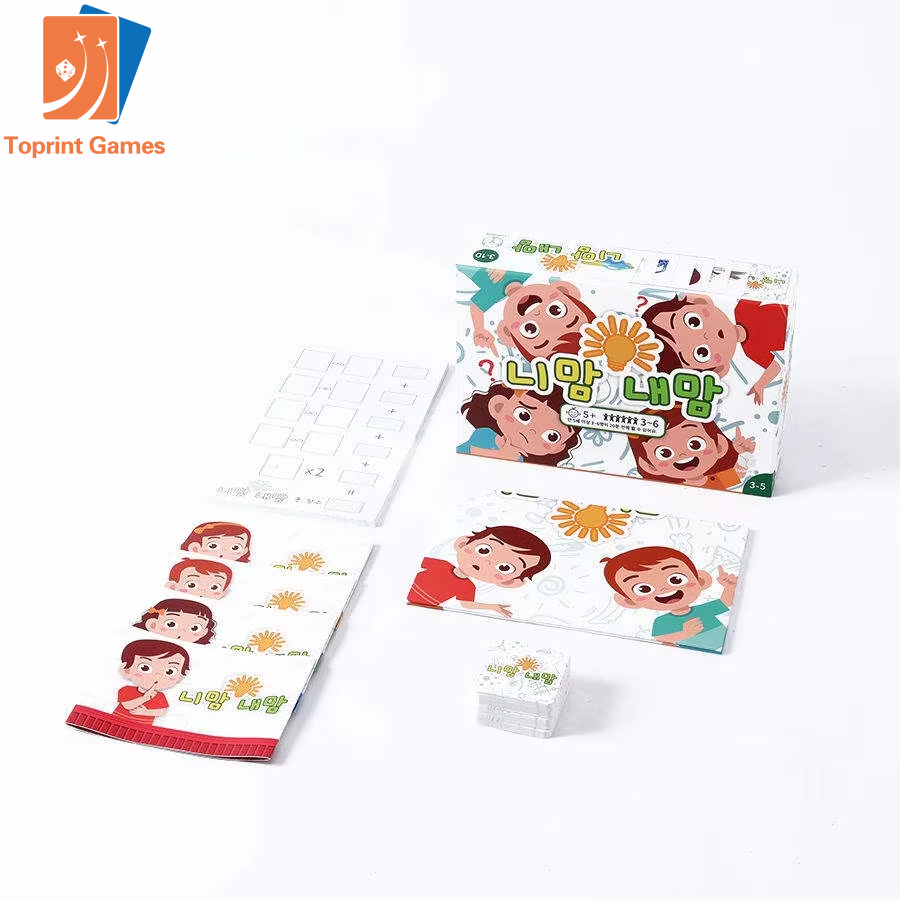
The modern board game industry has experienced unprecedented growth, with millions of enthusiasts worldwide seeking innovative gaming experiences. At the heart of this thriving ecosystem, board game producers serve as the crucial bridge between creative vision and commercial reality. These industry professionals orchestrate complex operations that transform initial concepts into tangible products, managing everything from artistic development to global distribution networks.

Board game producers navigate a multifaceted landscape where creativity meets commerce, requiring expertise in project management, manufacturing oversight, and market analysis. Their responsibilities extend far beyond simple coordination, encompassing strategic decision-making that influences product quality, pricing, and market positioning. Understanding the comprehensive role of these professionals provides valuable insights into the complex machinery that drives successful board game launches.
The evolution of board game production has transformed dramatically over the past decade, with digital tools, crowdfunding platforms, and global manufacturing networks creating new opportunities and challenges. Modern board game producers must adapt to rapidly changing consumer preferences while maintaining quality standards and managing increasingly complex supply chains. This dynamic environment demands both traditional project management skills and innovative approaches to problem-solving.
Creative Vision and Artistic Direction
Conceptual Development and Design Oversight
Board game producers play a pivotal role in shaping the artistic vision of gaming products from conception through completion. They collaborate closely with game designers, artists, and creative teams to establish cohesive visual themes that resonate with target audiences. This process involves extensive market research, competitor analysis, and trend identification to ensure that artistic choices align with commercial objectives and player expectations.
The creative oversight responsibility extends to managing artistic timelines, budget allocations, and quality benchmarks throughout the development cycle. Board game producers must balance creative freedom with practical constraints, ensuring that artistic ambitions remain achievable within established production parameters. They facilitate communication between diverse creative professionals, resolving conflicts and maintaining project momentum while preserving the integrity of the original vision.
Successful artistic direction requires board game producers to understand visual design principles, color psychology, and cultural sensitivities across different markets. They must evaluate artistic proposals against technical manufacturing limitations, ensuring that creative concepts can be successfully translated into physical products without compromising quality or exceeding budget constraints.
Brand Identity and Market Positioning
Brand development represents another critical aspect of the producer's role in creative management. Board game producers work to establish distinctive brand identities that differentiate products in crowded marketplaces while appealing to specific demographic segments. This involves coordinating graphic design elements, packaging aesthetics, and marketing materials to create cohesive brand experiences that extend beyond individual game titles.
Market positioning decisions require producers to analyze competitive landscapes, identify unique value propositions, and develop messaging strategies that communicate product benefits effectively. They must consider how artistic choices impact brand perception, ensuring that visual elements support broader marketing objectives and contribute to long-term brand equity development.
The integration of brand identity with artistic vision demands careful coordination between marketing teams, creative professionals, and manufacturing partners. Board game producers serve as the central coordination point for these diverse stakeholders, ensuring that brand consistency is maintained across all touchpoints while allowing for creative innovation and market adaptation.
Manufacturing Coordination and Quality Control
Production Planning and Vendor Management
Manufacturing coordination represents one of the most complex aspects of board game production, requiring producers to manage relationships with multiple vendors, suppliers, and production facilities. Board game producers must evaluate manufacturing capabilities, negotiate contracts, and establish quality standards that ensure consistent product output while maintaining cost efficiency. This process involves detailed technical specifications, material selection, and production scheduling that aligns with market launch timelines.
Vendor management extends beyond simple contract negotiations to include ongoing relationship building, performance monitoring, and continuous improvement initiatives. Board game producers must establish clear communication protocols, quality benchmarks, and delivery expectations while maintaining flexibility to accommodate design changes and market demands.
The global nature of modern manufacturing requires producers to navigate international trade regulations, shipping constraints, and cultural differences that can impact production outcomes. They must develop contingency plans for potential disruptions, maintain diverse supplier networks, and implement risk management strategies that protect against supply chain vulnerabilities.
Quality Assurance and Standards Implementation
Quality control systems implemented by board game producers ensure that finished products meet established standards for durability, safety, and aesthetic appeal. This involves developing comprehensive testing protocols, inspection procedures, and acceptance criteria that address both functional performance and visual quality requirements. Producers must coordinate with manufacturing partners to implement quality assurance measures throughout the production process.
Standards implementation requires board game producers to stay current with industry regulations, safety requirements, and certification processes that vary across different markets. They must ensure compliance with international toy safety standards, environmental regulations, and labeling requirements while maintaining production efficiency and cost competitiveness.
The quality assurance process extends to packaging, shipping, and storage considerations that protect product integrity from manufacturing facility to end consumer. Board game producers must develop comprehensive quality management systems that address potential issues at every stage of the production and distribution pipeline.
Logistics Management and Distribution Strategy
Supply Chain Optimization
Modern board game producers must master complex supply chain management principles to ensure efficient product flow from manufacturing facilities to retail outlets and end consumers. This involves coordinating multiple transportation modes, managing inventory levels, and optimizing warehouse operations to minimize costs while maintaining service quality. Supply chain optimization requires sophisticated planning tools, data analysis capabilities, and strong relationships with logistics service providers.
Inventory management strategies developed by board game producers must balance demand forecasting accuracy with capital efficiency, ensuring adequate product availability without excessive holding costs. They must implement inventory tracking systems, demand planning processes, and safety stock calculations that account for market variability and seasonal demand patterns.
The global nature of board game distribution requires producers to navigate international shipping regulations, customs procedures, and trade agreements that impact delivery timelines and costs. They must develop expertise in international logistics, currency management, and regulatory compliance to support global market expansion while maintaining operational efficiency.
Retail Partnership and Channel Management
Distribution channel management represents a critical competency for board game producers seeking to maximize market reach and revenue generation. They must develop and maintain relationships with diverse retail partners, from specialty game stores to mass market retailers and online marketplaces. This requires understanding different channel requirements, pricing structures, and promotional expectations while maintaining brand consistency across all touchpoints.
Channel strategy development involves analyzing market segments, evaluating distribution alternatives, and selecting retail partners that align with brand positioning and target customer profiles. Board game producers must negotiate distribution agreements, establish performance metrics, and implement channel support programs that drive sales growth while maintaining healthy profit margins.
The rise of digital commerce platforms has created new opportunities and challenges for board game producers, requiring expertise in online marketplace management, digital marketing, and direct-to-consumer fulfillment. They must adapt traditional distribution strategies to accommodate evolving consumer shopping preferences while maintaining effective relationships with traditional retail partners.
Project Management and Timeline Coordination
Development Milestone Planning
Effective project management capabilities enable board game producers to coordinate complex development timelines that align creative processes, manufacturing schedules, and market launch requirements. This involves establishing clear milestone definitions, resource allocation plans, and progress tracking systems that ensure project objectives are achieved within established timeframes and budget constraints.
Milestone planning requires board game producers to understand interdependencies between different project phases, identifying critical path activities and potential bottlenecks that could impact overall project success. They must develop contingency plans, risk mitigation strategies, and resource reallocation procedures that maintain project momentum despite unexpected challenges or changes in project scope.
The integration of multiple stakeholders, from creative teams to manufacturing partners, requires sophisticated communication and coordination systems. Board game producers must establish regular review processes, status reporting mechanisms, and decision-making frameworks that ensure all participants remain aligned with project objectives and timeline requirements.
Resource Allocation and Budget Management
Budget management responsibilities require board game producers to develop comprehensive financial plans that account for all project costs, from initial concept development through market launch and ongoing support. This involves detailed cost estimation, variance tracking, and financial reporting that supports informed decision-making throughout the project lifecycle.
Resource allocation decisions must balance quality aspirations with financial constraints, ensuring that project investments generate appropriate returns while maintaining competitive market positioning. Board game producers must evaluate trade-offs between different project elements, prioritizing investments that deliver maximum value to target customers while optimizing overall project profitability.
Financial planning extends to ongoing operational costs, including inventory carrying costs, marketing investments, and distribution expenses that impact long-term project success. Board game producers must develop comprehensive financial models that support strategic decision-making and enable accurate performance measurement against established objectives.
Market Analysis and Consumer Insights
Trend Identification and Competitive Analysis
Market research capabilities enable board game producers to identify emerging trends, analyze competitive dynamics, and develop strategies that position products effectively in evolving markets. This involves systematic data collection, analysis of consumer preferences, and evaluation of competitive offerings to identify market opportunities and potential threats to project success.
Trend analysis requires board game producers to monitor multiple information sources, from industry publications to social media discussions and retail sales data. They must develop analytical frameworks that distinguish between temporary market fluctuations and sustainable trends that warrant strategic response and resource allocation decisions.
Competitive analysis extends beyond simple product comparisons to include evaluation of marketing strategies, pricing approaches, and distribution tactics employed by successful competitors. Board game producers must identify best practices, benchmark performance metrics, and develop differentiation strategies that create sustainable competitive advantages.
Consumer Behavior and Preference Research
Understanding consumer behavior patterns enables board game producers to make informed decisions about product features, pricing strategies, and marketing approaches that resonate with target audiences. This involves primary research activities, data analysis, and consumer testing that provide insights into purchase decision factors and usage patterns.
Consumer preference research requires board game producers to develop expertise in research methodologies, statistical analysis, and market segmentation techniques that identify distinct customer groups and their specific needs. They must translate research findings into actionable product development and marketing recommendations that improve market performance.
The evolving nature of consumer preferences requires ongoing research and monitoring activities that track changes in market dynamics and customer expectations. Board game producers must establish systems for continuous market feedback collection and analysis that support adaptive strategies and responsive product development approaches.
Technology Integration and Digital Transformation
Production Technology and Automation
Modern manufacturing technologies offer board game producers opportunities to improve production efficiency, quality consistency, and cost competitiveness through automation and digital integration. This involves evaluating emerging technologies, implementing production improvements, and training manufacturing partners on advanced techniques that enhance overall production capabilities.
Technology integration requires board game producers to understand manufacturing processes, equipment capabilities, and automation potential that can reduce production costs while maintaining or improving quality standards. They must evaluate technology investments against projected benefits, ensuring that implementation decisions support long-term strategic objectives.
The adoption of digital production tools enables more precise quality control, improved production planning, and enhanced communication between design teams and manufacturing partners. Board game producers must facilitate technology adoption, provide training support, and establish performance metrics that measure technology effectiveness and return on investment.
Digital Marketing and E-commerce Integration
Digital transformation initiatives enable board game producers to reach broader audiences, improve customer engagement, and develop direct relationships with end consumers through online channels. This involves website development, social media marketing, and e-commerce platform integration that supports both brand building and direct sales objectives.
E-commerce integration requires board game producers to develop expertise in online retail operations, digital payment processing, and customer service systems that deliver positive customer experiences. They must coordinate with technology partners, implement security measures, and establish operational procedures that support efficient online sales fulfillment.
Digital marketing strategies must align with traditional marketing approaches while leveraging unique capabilities of online channels to engage target audiences effectively. Board game producers must develop content creation capabilities, social media expertise, and data analysis skills that optimize digital marketing investments and measure campaign effectiveness.
FAQ
What qualifications do board game producers typically need
Board game producers typically benefit from backgrounds in project management, business administration, or related fields that provide foundational skills in coordination, planning, and stakeholder management. While formal education requirements vary, many successful producers have experience in manufacturing, marketing, or product development that provides practical knowledge of industry processes and challenges. Professional certifications in project management or supply chain management can enhance credibility and demonstrate competency in key skill areas.
How do board game producers manage international manufacturing relationships
Managing international manufacturing relationships requires board game producers to develop cultural awareness, communication protocols, and quality assurance systems that bridge geographical and linguistic differences. They must establish clear specifications, regular communication schedules, and quality control procedures that ensure consistent production outcomes despite distance and time zone challenges. Building trust through consistent communication, fair contract terms, and mutual respect is essential for long-term partnership success.
What are the biggest challenges facing board game producers today
Current challenges for board game producers include supply chain disruptions, rising material costs, and increased competition from both traditional publishers and crowdfunded projects. They must also navigate evolving consumer preferences toward digital entertainment options while maintaining appeal for traditional board game experiences. Additionally, environmental sustainability concerns and regulatory changes create ongoing adaptation requirements that impact production processes and business models.
How do board game producers evaluate potential projects for development
Project evaluation typically involves analyzing market potential, production feasibility, and financial projections that assess overall project viability and return on investment. Board game producers must consider target audience appeal, competitive positioning, and manufacturing complexity while evaluating creative quality and market differentiation potential. Risk assessment includes supply chain considerations, regulatory requirements, and market timing factors that could impact project success and profitability.