
 EN
EN


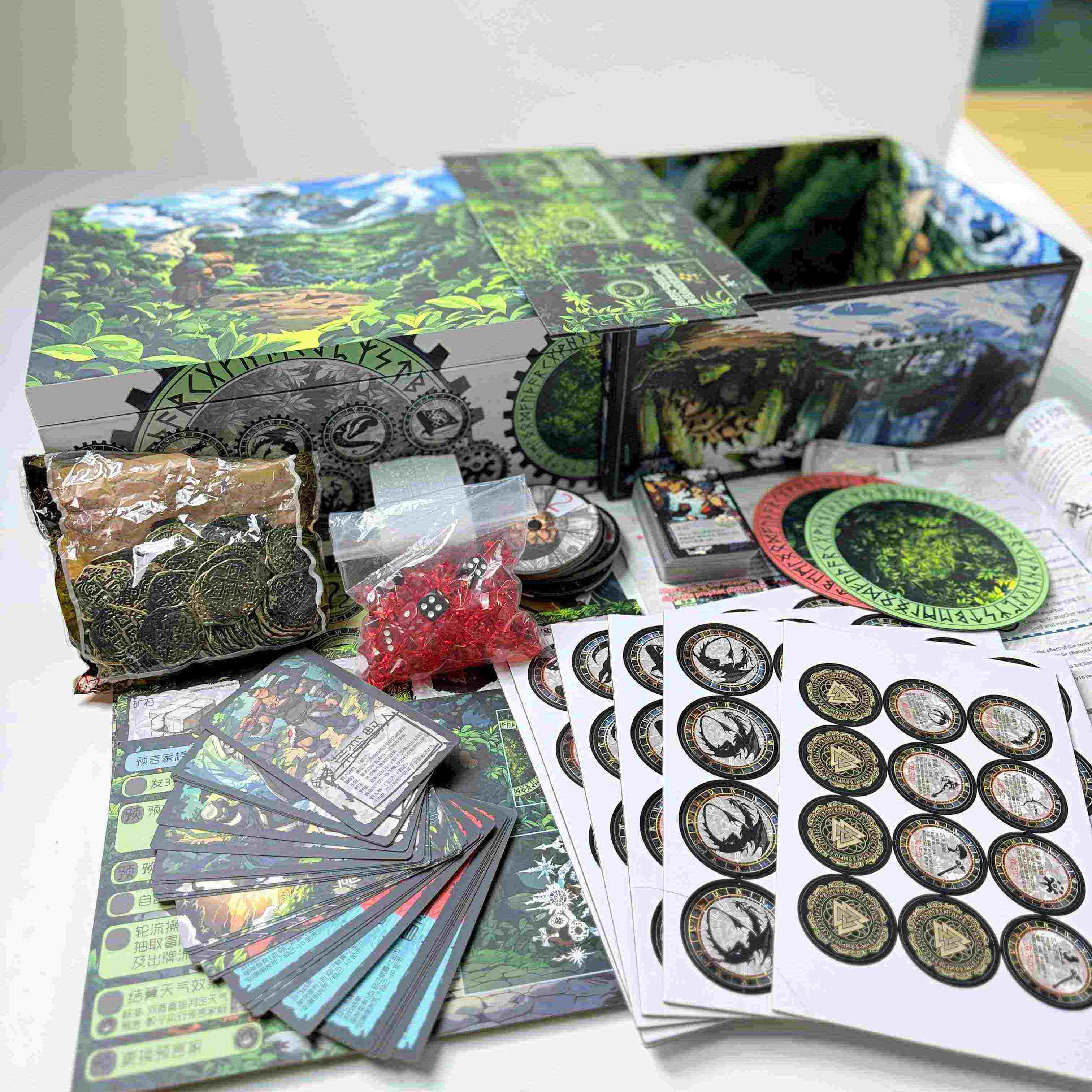
Choosing the right board game manufacturer is crucial for transforming your creative vision into a tangible product that captivates players worldwide. The manufacturing process involves intricate details from component selection to quality assurance, making it essential to understand what lies ahead. A professional board game manufacturer will guide you through every step, ensuring your game meets industry standards while maintaining your unique design elements. This comprehensive journey requires careful planning, clear communication, and realistic expectations about timelines and costs.
Initial Consultation and Design Review Process
Project Assessment and Feasibility Analysis
During the initial consultation, a reputable board game manufacturer will thoroughly evaluate your game concept, components, and target market. They analyze the complexity of your design to determine manufacturing feasibility and identify potential challenges early in the process. This assessment includes reviewing your prototype, understanding component requirements, and discussing your budget parameters. The manufacturer will provide honest feedback about design modifications that might improve gameplay while reducing production costs.
Professional manufacturers often suggest alternative materials or construction methods that maintain game quality while optimizing manufacturing efficiency. They evaluate your artwork files for print readiness and compatibility with their production equipment. This comprehensive review ensures that your vision aligns with manufacturing capabilities and market expectations, setting realistic goals for the entire project.
Timeline Development and Project Milestones
Establishing a realistic timeline is fundamental to successful board game manufacturing. Your manufacturer will create detailed project schedules that account for design finalization, prototype approval, tooling creation, and production runs. These timelines typically span several months, depending on game complexity and component variety. Key milestones include artwork approval, sample production, quality testing, and final manufacturing.
Experienced manufacturers build buffer time into schedules to accommodate revisions and unforeseen challenges. They understand that board game development often requires iterative improvements based on playtesting feedback. Clear milestone communication helps you plan marketing campaigns, crowdfunding launches, and retail partnerships around confirmed delivery dates.
Component Selection and Material Specifications
Card Stock and Paper Quality Options
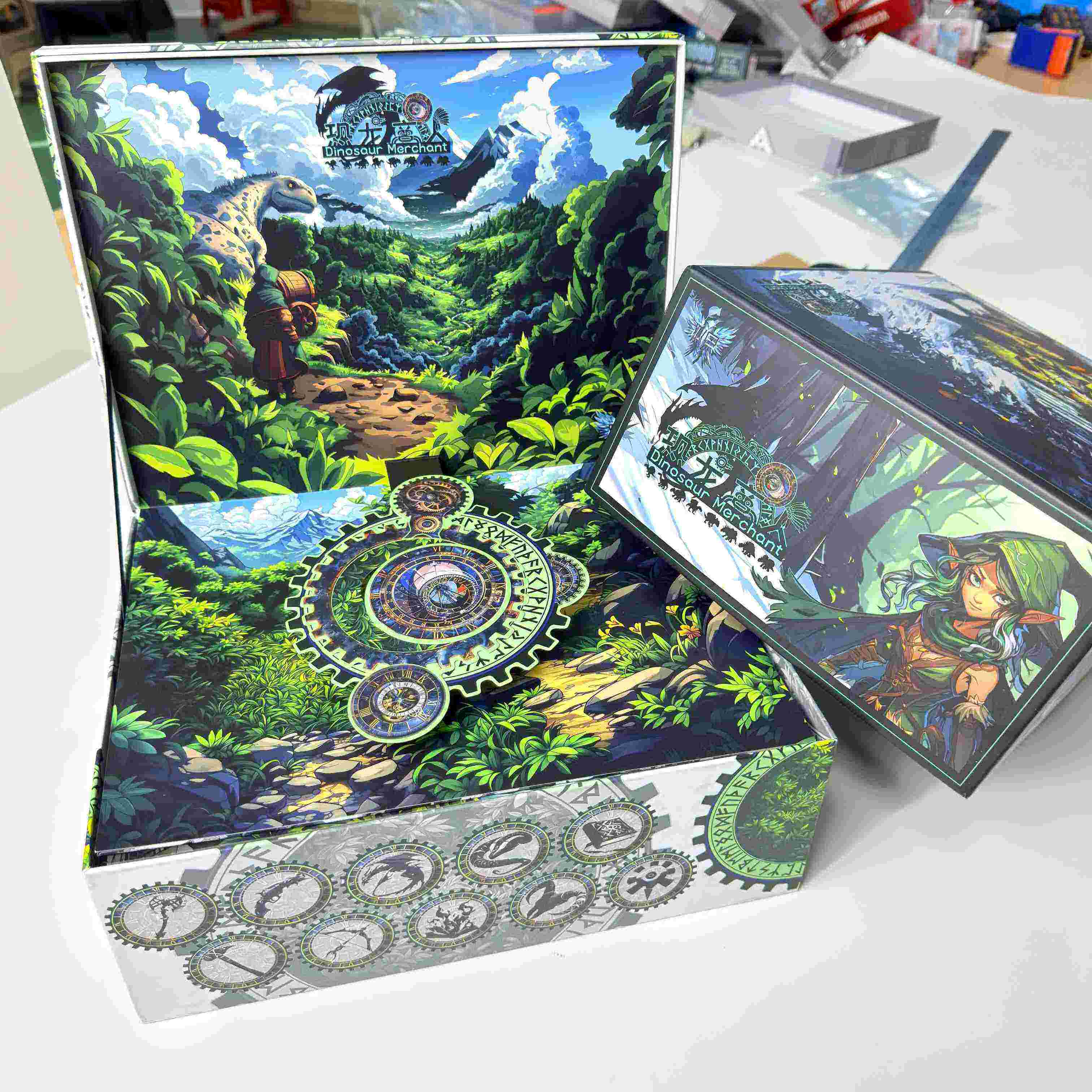
Card quality significantly impacts gameplay experience and perceived value. A professional board game manufacturer offers various cardstock options ranging from standard playing card stock to premium linen-finished materials. They explain the durability characteristics, shuffle feel, and cost implications of different paper weights and finishes. Premium options include plastic-coated cards for enhanced durability and moisture resistance.
The manufacturer guides you through coating options such as aqueous, UV, or lamination finishes that protect artwork while providing desired tactile properties. They consider your target market and price point when recommending card specifications. Educational games might benefit from wipeable surfaces, while collector editions warrant premium finishes that justify higher retail prices.
Board Materials and Construction Methods
Game board construction involves multiple material layers that affect durability, storage, and visual appeal. Quality manufacturers explain the differences between chipboard, greyboard, and specialized gaming boards with various thicknesses and densities. They describe folding patterns, scoring techniques, and lamination processes that ensure boards remain flat and functional through repeated use.
Advanced manufacturers offer specialized board treatments such as embossing, spot UV application, and metallic foil stamping for premium presentations. They understand how board weight affects shipping costs and storage requirements, helping you balance quality aspirations with practical considerations. Modular board designs require precise cutting tolerances that only experienced manufacturers can achieve consistently.
Quality Control and Testing Procedures
Pre-Production Sample Approval
Before full production begins, your board game manufacturer will create detailed samples for your approval. These samples showcase actual materials, printing quality, and assembly techniques planned for your game. The sampling process allows you to evaluate color accuracy, component fit, and overall build quality before committing to large production runs. Professional manufacturers encourage thorough sample testing to identify any adjustments needed.
Sample approval phases often reveal subtle issues that weren't apparent in digital proofs or prototypes. Your manufacturer should be responsive to feedback and willing to create revised samples when necessary. This iterative approach ensures the final product meets your expectations and maintains consistency across the entire production run.
In-Process Quality Monitoring
Throughout production, established manufacturers implement rigorous quality control checkpoints to maintain consistency. They monitor printing registration, color matching, cutting precision, and assembly accuracy at multiple stages. Quality control teams inspect random samples from production runs to identify potential issues before they affect large quantities of games.
Professional facilities document quality metrics and provide regular updates on production progress. They maintain detailed records of any adjustments made during manufacturing to ensure consistency across different production batches. This systematic approach minimizes defects and reduces the likelihood of costly reprints or component replacements.
Production Scheduling and Capacity Management
Manufacturing Lead Times
Understanding realistic production schedules helps you plan successful product launches and inventory management. A reliable board game manufacturer will provide accurate lead time estimates based on current capacity and seasonal demand fluctuations. Standard production runs typically require 4-8 weeks after final approval, while complex games with multiple components may need additional time.
Seasonal factors significantly impact manufacturing schedules, with increased demand before major holidays and trade shows. Smart manufacturers recommend placing orders well in advance of peak seasons to secure production slots and avoid delays. They communicate potential scheduling conflicts early, allowing you to adjust launch plans accordingly.
Capacity Planning and Order Minimums
Most manufacturers establish minimum order quantities based on setup costs and production efficiency. These minimums vary significantly depending on game complexity, component variety, and finishing requirements. Understanding these constraints helps you plan inventory levels and pricing strategies effectively. Larger quantities typically offer better per-unit costs but require significant upfront investment.
Experienced manufacturers help you optimize order quantities based on projected demand and storage capabilities. They explain how different production runs can be scheduled to minimize inventory carrying costs while ensuring adequate stock levels. This strategic approach helps new game publishers manage cash flow while building sustainable businesses.
Packaging and Fulfillment Solutions
Box Design and Structural Engineering
Game box design involves both aesthetic appeal and functional protection during shipping and storage. Professional manufacturers offer various box styles including tuck boxes, rigid boxes, and custom structural designs. They consider component organization, storage efficiency, and retail display requirements when recommending packaging solutions. The box serves as the first impression for potential customers, making design quality crucial for market success.
Structural engineers at quality facilities ensure boxes protect contents during shipping while minimizing material waste. They design custom inserts that organize components effectively and prevent damage during transit. Sustainable packaging options are increasingly important to environmentally conscious consumers and retailers.
Shipping and Distribution Services
Many modern manufacturers offer integrated fulfillment services that simplify distribution logistics. These services include warehousing, order processing, and direct shipping to customers or retailers. Integrated fulfillment reduces your operational complexity while ensuring professional packaging and timely delivery. Some manufacturers specialize in crowdfunding fulfillment, understanding the unique requirements of backer rewards.
Global distribution capabilities allow you to reach international markets efficiently. Experienced manufacturers understand customs requirements, documentation needs, and shipping regulations for different countries. They help you navigate international trade complexities while maintaining cost-effective distribution strategies.
Cost Structure and Payment Terms
Pricing Transparency and Cost Breakdown
Reputable manufacturers provide detailed cost breakdowns that clearly explain pricing components. These breakdowns typically include material costs, printing expenses, assembly labor, packaging, and any special finishing requirements. Understanding cost structures helps you make informed decisions about component specifications and order quantities. Transparent pricing builds trust and enables effective budget planning.
Professional manufacturers explain how design changes affect costs, allowing you to make value-based decisions during development. They identify opportunities for cost optimization without compromising game quality or appeal. This collaborative approach helps you achieve the best possible value while maintaining competitive pricing in the marketplace.
Payment Schedules and Financial Planning
Standard payment terms typically involve deposits upon order confirmation with final payments before shipping. Many manufacturers offer flexible payment schedules that accommodate cash flow requirements, especially for crowdfunding projects. Understanding payment timing helps you coordinate funding availability with production schedules.
Established manufacturers often provide payment protection through escrow services or established credit terms for repeat customers. These arrangements reduce financial risk while ensuring production proceeds smoothly. Clear payment agreements prevent misunderstandings and maintain positive working relationships throughout the manufacturing process.
FAQ
How long does it typically take to manufacture a board game from start to finish
The complete manufacturing timeline for a board game typically ranges from 8-16 weeks, depending on complexity and current production capacity. This includes 2-4 weeks for sample creation and approval, followed by 6-12 weeks for full production. Games with multiple components, custom pieces, or specialized finishing may require additional time. Seasonal demand fluctuations can extend lead times during peak periods like pre-holiday seasons.
What minimum order quantities should I expect when working with a board game manufacturer
Minimum order quantities typically range from 500 to 3,000 units, depending on game complexity and manufacturing setup costs. Simple card games often have lower minimums around 500-1,000 units, while complex games with multiple components may require 2,000-5,000 unit minimums. Higher quantities generally offer better per-unit pricing due to setup cost distribution across larger production runs.
How do manufacturers ensure consistent quality across large production runs
Professional board game manufacturer facilities implement multi-stage quality control systems including incoming material inspection, in-process monitoring, and final product auditing. They use statistical sampling methods to check printing registration, color accuracy, cutting precision, and assembly quality throughout production. Detailed documentation tracks any adjustments made during manufacturing to maintain consistency across the entire order.
What should I prepare before contacting a board game manufacturer
Before contacting manufacturers, prepare a detailed component list, high-resolution artwork files, a working prototype, and your target budget range. Include information about expected order quantities, desired timeline, and any special requirements like custom components or unique materials. Having clear project specifications helps manufacturers provide accurate quotes and identify potential challenges early in the process.
Table of Contents
- Initial Consultation and Design Review Process
- Component Selection and Material Specifications
- Quality Control and Testing Procedures
- Production Scheduling and Capacity Management
- Packaging and Fulfillment Solutions
- Cost Structure and Payment Terms
-
FAQ
- How long does it typically take to manufacture a board game from start to finish
- What minimum order quantities should I expect when working with a board game manufacturer
- How do manufacturers ensure consistent quality across large production runs
- What should I prepare before contacting a board game manufacturer