
 EN
EN




The modern manufacturing landscape has transformed dramatically over the past decade, and nowhere is this more evident than in the facilities operated by today's leading toy and game manufacturer operations. These state-of-the-art production centers combine cutting-edge technology with traditional craftsmanship to create engaging entertainment products for global markets. Understanding the intricate processes and sophisticated systems that drive these facilities provides valuable insight into how contemporary manufacturers meet ever-evolving consumer demands while maintaining competitive pricing and exceptional quality standards.
Advanced Production Technologies Revolutionizing Manufacturing
Precision Molding and Component Creation
Modern toy and game manufacturer facilities utilize sophisticated injection molding systems that achieve tolerances within micrometers. These precision machines operate continuously, producing thousands of components daily while maintaining consistent quality standards. The integration of real-time monitoring systems allows operators to detect variations immediately, preventing defective products from entering the supply chain. Temperature control systems maintain optimal conditions throughout the molding process, ensuring that plastic components retain their structural integrity and vibrant colors.
Advanced die-cutting equipment handles various materials including cardboard, foam, and specialized gaming substrates with remarkable accuracy. Computer-controlled cutting systems follow digital templates to create game boards, cards, and packaging materials with clean edges and precise dimensions. This automation significantly reduces material waste while increasing production speed, allowing manufacturers to respond quickly to market demands and seasonal fluctuations.
Digital Printing and Color Management Systems
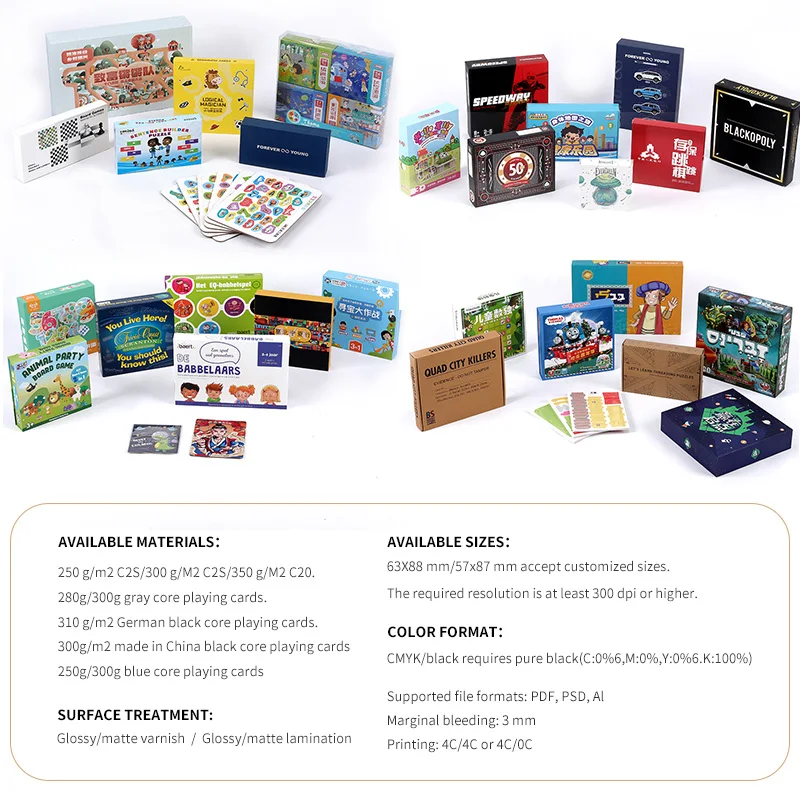
Contemporary printing technologies enable toy and game manufacturer operations to produce vibrant, durable graphics that withstand extensive handling and environmental conditions. High-resolution digital printing systems apply multiple color layers with exceptional registration accuracy, creating visually stunning game boards and packaging materials. UV-curing inks provide superior durability and fade resistance, ensuring that products maintain their appearance throughout their lifecycle.
Color management systems maintain consistency across different production runs and materials, utilizing spectrophotometers and automated color matching software. These systems ensure that brand colors remain uniform regardless of substrate variations or environmental conditions during production. Quality control personnel continuously monitor color accuracy using calibrated measurement devices, maintaining strict adherence to brand specifications and customer expectations.
Quality Control and Testing Protocols
Multi-Stage Inspection Processes
Every reputable toy and game manufacturer implements comprehensive quality control protocols that begin with incoming material inspection and continue through final packaging verification. Incoming materials undergo rigorous testing for chemical composition, dimensional accuracy, and physical properties before approval for production use. Automated optical inspection systems examine components for surface defects, dimensional variations, and color inconsistencies at multiple stages throughout the manufacturing process.
Statistical process control methods track key performance indicators across all production lines, identifying trends that might indicate equipment wear or process drift before they affect product quality. Quality assurance teams conduct random sampling inspections using standardized testing protocols, documenting results in comprehensive quality management systems that provide traceability for every manufactured item.
Safety and Compliance Verification
Safety testing laboratories within modern manufacturing facilities conduct extensive evaluations to ensure compliance with international safety standards and regulations. Mechanical testing equipment subjects products to stress tests that simulate years of normal use, identifying potential failure modes before products reach consumers. Chemical analysis equipment verifies that materials meet strict safety requirements for lead content, phthalates, and other regulated substances.
Age-appropriate testing protocols evaluate choking hazards, sharp edges, and small parts that could pose risks to children. Specialized testing chambers simulate various environmental conditions including temperature extremes, humidity variations, and UV exposure to verify product durability and safety under diverse usage scenarios. Documentation systems maintain detailed records of all testing procedures and results for regulatory compliance and customer assurance.
Supply Chain Integration and Logistics Optimization
Automated Inventory Management Systems
Modern toy and game manufacturer facilities employ sophisticated inventory management systems that track materials and components throughout the entire production cycle. Radio frequency identification technology and barcode scanning systems provide real-time visibility into inventory levels, enabling just-in-time delivery coordination with suppliers. Automated storage and retrieval systems maximize warehouse efficiency while minimizing handling errors and reducing labor costs.
Predictive analytics algorithms analyze historical consumption patterns and seasonal trends to optimize inventory levels and reduce carrying costs. These systems automatically generate purchase orders when stock levels reach predetermined thresholds, ensuring continuous production flow while avoiding excess inventory accumulation. Integration with supplier systems enables collaborative planning and improved coordination of delivery schedules.
Packaging and Distribution Efficiency
Automated packaging lines handle multiple product formats simultaneously, adjusting packaging parameters based on product specifications and customer requirements. Vision inspection systems verify packaging integrity and label accuracy before products enter distribution channels. Robotic palletizing systems optimize load configurations for maximum shipping efficiency while minimizing transportation costs and environmental impact.
Distribution management systems coordinate shipments across multiple transportation modes, selecting optimal routing based on delivery requirements and cost considerations. Real-time tracking capabilities provide customers with accurate delivery information while enabling proactive management of potential delays or disruptions. Integration with customer order management systems streamlines the entire fulfillment process from production scheduling through final delivery confirmation.
Sustainable Manufacturing Practices
Environmental Impact Reduction Initiatives
Leading toy and game manufacturer operations implement comprehensive sustainability programs that minimize environmental impact while maintaining operational efficiency. Energy management systems optimize power consumption across production equipment, utilizing variable frequency drives and intelligent scheduling algorithms to reduce peak demand charges. Solar panel installations and energy recovery systems capture renewable energy and waste heat to supplement traditional power sources.
Waste reduction programs focus on material optimization and recycling initiatives that divert manufacturing byproducts from landfills. Closed-loop material handling systems capture production scraps for reprocessing into new components, reducing raw material requirements and disposal costs. Water treatment systems enable recycling of process water, significantly reducing freshwater consumption and wastewater discharge volumes.
Circular Economy Implementation
Progressive toy and game manufacturer facilities design products with end-of-life considerations, utilizing materials that facilitate recycling and component recovery. Modular product designs enable repair and refurbishment services that extend product lifecycles and reduce replacement demands. Take-back programs collect used products for material recovery and proper disposal of non-recyclable components.
Supplier partnership programs encourage adoption of sustainable practices throughout the supply chain, establishing requirements for recycled content and responsible sourcing. Life cycle assessment tools evaluate environmental impacts from raw material extraction through disposal, identifying opportunities for improvement and innovation. Transparency reporting systems document sustainability metrics and progress toward environmental goals, providing stakeholders with regular updates on performance improvements.
Innovation and Future Development Strategies
Technology Integration and Smart Manufacturing
The evolution toward Industry 4.0 principles transforms how toy and game manufacturer facilities operate, incorporating Internet of Things sensors and artificial intelligence algorithms throughout production systems. Predictive maintenance programs utilize machine learning analysis of equipment performance data to schedule maintenance activities before failures occur, minimizing downtime and reducing repair costs. Digital twin technology creates virtual representations of production processes, enabling optimization experiments without disrupting actual operations.
Collaborative robotics systems work alongside human operators to enhance productivity while maintaining flexibility for product variations and customization requirements. These systems adapt quickly to different product configurations without extensive reprogramming, supporting efficient production of diverse product portfolios. Human-machine interfaces provide intuitive control systems that enable operators to monitor and adjust multiple production lines simultaneously.
Market Responsiveness and Customization Capabilities
Flexible manufacturing systems enable rapid product changeovers and small-batch production runs that support market testing and limited edition releases. Modular production equipment configurations allow toy and game manufacturer operations to adjust capacity and capabilities based on seasonal demands and market trends. Quick-change tooling systems minimize setup times when transitioning between different product lines or customer specifications.
Mass customization capabilities enable personalized products and regional variations without significant cost penalties or delivery delays. Digital printing systems support variable data printing for personalized game components and packaging materials. Customer portal systems enable real-time order tracking and specification modifications during early production stages, enhancing customer satisfaction and reducing change-order complications.
FAQ
What safety standards must toy and game manufacturer facilities meet
Toy and game manufacturer facilities must comply with comprehensive safety standards including CPSC regulations in the United States, CE marking requirements in Europe, and ISO 8124 international safety standards. These regulations cover mechanical and physical properties, flammability requirements, chemical safety limits, and age-appropriate design guidelines. Facilities maintain accredited testing laboratories that verify compliance with all applicable safety standards before products enter the market.
How do modern manufacturing facilities ensure consistent product quality
Modern toy and game manufacturer facilities implement multi-layered quality control systems including statistical process control, automated optical inspection, and comprehensive testing protocols. Real-time monitoring systems track key performance indicators throughout production processes, while quality management software maintains detailed documentation for traceability and continuous improvement initiatives. Regular audits and certifications ensure ongoing compliance with quality standards and customer requirements.
What role does automation play in contemporary toy manufacturing
Automation technologies significantly enhance efficiency and consistency in toy and game manufacturer operations through precision molding systems, automated assembly lines, and robotic packaging equipment. These systems reduce labor costs while improving product quality and production speed. Automated systems also enable 24-hour production capabilities and reduce human error rates, contributing to overall operational excellence and customer satisfaction.
How do manufacturers balance cost efficiency with environmental responsibility
Leading toy and game manufacturer operations achieve cost efficiency and environmental responsibility through integrated sustainability programs that reduce waste, optimize energy consumption, and implement circular economy principles. Energy management systems lower operational costs while reducing carbon footprints, and material optimization programs minimize waste disposal expenses. Long-term sustainability investments often generate cost savings through improved efficiency and reduced resource consumption.