
 EN
EN


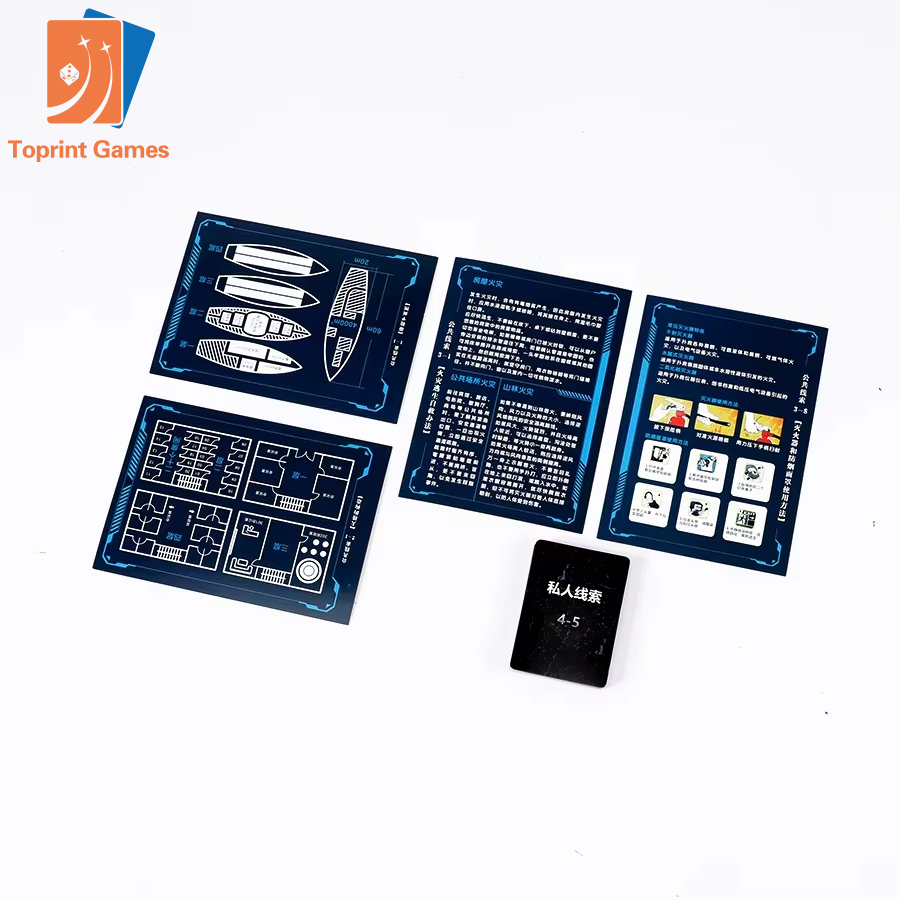
The board game industry has experienced unprecedented growth in recent years, with card games representing a significant portion of this expanding market. Understanding the various cost factors involved in manufacturing card games is crucial for game designers, publishers, and entrepreneurs looking to bring their creative visions to life while maintaining profitability. A professional card game manufacturer can help navigate these complexities, but knowing what drives costs enables better decision-making throughout the production process. From material selection to production volumes, numerous variables impact the final manufacturing price, and strategic planning can significantly reduce expenses while maintaining quality standards.

Material Selection and Quality Impact
Paper Stock and Cardstock Choices
The foundation of any card game lies in the materials used for production, and paper selection represents one of the most significant cost variables. Premium cardstock typically costs 40-60% more than standard options, but offers superior durability and enhanced player experience. Most reputable manufacturers offer various paper weights ranging from 280gsm to 350gsm, with heavier stocks providing better hand feel and longevity. The choice between linen finish, smooth finish, or specialty textures also impacts pricing, as specialized finishes require additional processing steps and premium materials.
When working with a card game manufacturer, understanding the relationship between material quality and target market expectations becomes essential. Premium games targeting collectors or serious gamers often justify higher material costs through increased retail prices, while mass-market games may prioritize cost efficiency over premium materials. The key lies in finding the optimal balance between quality and cost that aligns with your market positioning and budget constraints.
Coating and Finishing Options
Protective coatings significantly influence both manufacturing costs and product longevity. Basic varnish coatings provide minimal protection at the lowest cost point, while UV coatings offer enhanced durability with moderate price increases. Lamination, whether matte or gloss, represents the premium option with the highest cost but maximum protection against wear and moisture. Each coating type requires different equipment and processing time, directly impacting the manufacturer's pricing structure.
The decision regarding coating options should consider the intended use frequency and storage conditions of your card games. Games designed for frequent play sessions benefit from premium protective coatings that justify the additional expense through extended product life. Conversely, promotional or single-use games may require only basic protection to meet cost objectives while maintaining acceptable quality standards.
Design Complexity and Production Requirements
Artwork and Color Specifications
Design complexity directly correlates with manufacturing costs, as intricate artwork requires more precise printing processes and higher-quality equipment. Full-color printing using four-color process (CMYK) represents the standard for most card games, but designs incorporating spot colors, metallic inks, or specialty effects increase production expenses significantly. Each additional spot color can add 10-15% to the printing costs, while metallic foils or embossed elements may double the finishing expenses.
Working closely with an experienced card game manufacturer during the design phase helps optimize artwork for cost-effective production. Design modifications such as reducing color complexity, consolidating similar shades, or eliminating unnecessary special effects can substantially reduce manufacturing costs without compromising visual appeal. Strategic color planning during the initial design stages proves more economical than attempting cost reductions after artwork completion.
Card Quantity and Component Variations
The total number of unique card designs within a game set significantly impacts manufacturing efficiency and costs. Games with numerous unique cards require multiple printing runs, additional setup time, and more complex quality control processes. Standardizing card backs across different card types reduces printing complexity and associated costs, while minimizing the number of unique card faces streamlines production workflows.
Component standardization extends beyond individual cards to include packaging elements, instruction materials, and supplementary components. A skilled card game manufacturer can provide guidance on optimizing component specifications to achieve economies of scale while maintaining design integrity and gameplay functionality. This collaborative approach often reveals cost-saving opportunities that maintain or enhance the player experience.
Production Volume and Economies of Scale
Minimum Order Quantities
Manufacturing economics heavily favor larger production runs, with per-unit costs decreasing substantially as quantities increase. Most professional manufacturers establish minimum order quantities ranging from 500 to 1,000 units for custom card games, with significant cost reductions occurring at higher volume thresholds. The relationship between quantity and cost follows a predictable curve, with the most dramatic savings typically occurring between 1,000 and 5,000 units.
Understanding these volume breakpoints helps in making informed decisions about production quantities and market entry strategies. While larger initial orders reduce per-unit costs, they also increase upfront capital requirements and inventory risks. A professional card game manufacturer can provide detailed cost breakdowns at various quantity levels, enabling publishers to optimize their production strategy based on market demand projections and financial resources.
Setup and Tooling Costs
Fixed costs associated with production setup represent a significant portion of small-run manufacturing expenses. Die-cutting tools, printing plate preparation, color calibration, and quality control setup typically cost between $200 and $800 regardless of production quantity. These fixed costs become more manageable when distributed across larger production runs, explaining why per-unit costs decrease substantially with increased volumes.
Strategic planning around setup costs can involve consolidating multiple projects or product variations into single production runs when possible. Some manufacturers offer reduced setup fees for repeat orders or standardized specifications, creating opportunities for long-term cost optimization. Building relationships with reliable manufacturers often leads to preferential pricing structures that benefit frequent customers.
Geographic and Logistical Considerations
Manufacturing Location Impact
Geographic location significantly influences manufacturing costs, with Asian manufacturers typically offering 30-50% lower production costs compared to domestic alternatives. However, lower base costs must be evaluated against longer lead times, communication challenges, and shipping expenses. A reputable card game manufacturer in Asia might offer substantial savings on large orders, while domestic manufacturers provide faster turnaround times and easier communication for smaller projects or rush orders.
Currency fluctuations, trade policies, and shipping costs add complexity to international manufacturing decisions. Recent global events have highlighted the importance of supply chain resilience, leading many publishers to reconsider purely cost-based manufacturing decisions. Balancing cost savings against reliability, communication ease, and shipping considerations requires careful analysis of total project costs rather than focusing solely on manufacturing prices.
Shipping and Import Considerations
International shipping costs vary significantly based on shipment size, urgency, and destination. Sea freight offers the most economical option for large orders but requires 4-6 weeks for delivery, while air freight reduces transit time to 1-2 weeks at substantially higher costs. Shipping costs can represent 10-25% of total project expenses for international orders, making accurate shipping estimates crucial for project budgeting.
Import duties, customs processing, and domestic distribution add additional cost layers to international manufacturing. Understanding these supplementary expenses helps in making accurate cost comparisons between domestic and international production options. Experienced manufacturers often provide comprehensive cost breakdowns including all shipping and import expenses, enabling more accurate project budgeting and decision-making.
Quality Control and Testing Requirements
Production Standards and Specifications
Quality control measures represent essential but often overlooked cost factors in card game manufacturing. Professional manufacturers implement multiple quality checkpoints throughout production, including material inspection, printing quality verification, cutting accuracy assessment, and final product inspection. While these processes add time and cost to production, they prevent costly reprints and customer dissatisfaction issues.
Establishing clear quality standards with your card game manufacturer helps avoid misunderstandings and additional costs. Detailed specifications covering color accuracy, cutting tolerances, material requirements, and packaging standards provide clear expectations for both parties. This upfront investment in specification development typically reduces overall project costs by minimizing revisions and quality issues.
Sample Production and Approval Processes
Most professional manufacturers provide sample production services before full manufacturing runs, allowing clients to verify quality and make adjustments before committing to large quantities. Sample costs typically range from $100 to $500 depending on complexity and quantity, representing a small investment compared to potential full-run correction costs. Multiple sample rounds may be necessary for complex projects or when specific quality standards must be met.
The sample approval process, while adding time and cost to projects, provides valuable opportunities to optimize both quality and manufacturing efficiency. Manufacturers often identify cost-saving modifications during sample production that maintain quality while reducing complexity. This collaborative approach between designer and manufacturer frequently results in improved products at lower production costs.
Timeline and Rush Order Considerations
Standard Production Schedules
Typical production timelines for card games range from 2-4 weeks for domestic manufacturers to 4-8 weeks for international production, depending on complexity and current factory capacity. These standard timelines assume normal production queues and standard quality requirements. Understanding and planning around these timeframes helps avoid rush charges while ensuring adequate time for quality production and shipping.
Seasonal fluctuations significantly impact production schedules and costs, with pre-holiday periods typically experiencing higher demand and longer lead times. Planning production schedules around these predictable busy periods can result in both cost savings and improved delivery reliability. Many manufacturers offer scheduling discounts for orders placed during slower periods, providing opportunities for strategic cost management.
Expedited Production Options
Rush production services are available from most manufacturers but typically carry premium pricing of 25-50% above standard rates. These expedited services may also require compromises in quality control processes or material availability, potentially impacting final product quality. Understanding the true cost and implications of rush production helps in making informed decisions about project timelines and budget allocation.
Alternative approaches to urgent timeline requirements might include splitting orders between multiple manufacturers, selecting simplified specifications that enable faster production, or utilizing existing inventory for partial fulfillment. Experienced manufacturers can often suggest creative solutions that meet timeline requirements without incurring full rush-order premiums while maintaining quality standards.
Cost Optimization Strategies
Design and Specification Optimization
Strategic design modifications can significantly reduce manufacturing costs without compromising gameplay or visual appeal. Standardizing card sizes across game components, minimizing unique card designs, and selecting manufacturer-preferred specifications often result in substantial cost savings. Working with manufacturers during the design phase reveals opportunities for optimization that may not be apparent to game designers unfamiliar with production processes.
Material standardization across multiple projects or product lines creates opportunities for volume purchasing and reduced setup costs. Publishers planning multiple releases can coordinate specifications to achieve economies of scale across their entire product catalog. This strategic approach to material and specification planning often results in 15-25% cost reductions compared to individualized project specifications.
Vendor Relationship Management
Developing long-term relationships with reliable manufacturers provides numerous cost and quality benefits beyond simple price negotiations. Established relationships often lead to preferential pricing, priority scheduling, and enhanced quality attention. Manufacturers invest more heavily in customer success when they anticipate ongoing business relationships, resulting in better service and competitive pricing structures.
Regular communication and feedback with manufacturing partners helps identify continuous improvement opportunities that benefit both parties. Manufacturers appreciate clients who provide clear specifications, timely approvals, and constructive feedback, often rewarding these relationships with improved pricing and service levels. This collaborative approach to vendor management typically yields better long-term results than purely transactional relationships focused solely on price.
FAQ
What factors most significantly impact card game manufacturing costs
The primary cost drivers include material selection, production quantity, design complexity, and manufacturing location. Material choices such as cardstock weight and coating options can vary costs by 50-100%, while production volumes create dramatic per-unit cost differences. Design complexity affects both setup costs and production efficiency, while geographic manufacturing location influences base pricing, shipping expenses, and timeline requirements.
How do minimum order quantities affect pricing structures
Most manufacturers require minimum orders of 500-1,000 units for custom card games, with significant cost reductions occurring at higher volumes. Per-unit costs typically decrease by 30-50% when moving from 1,000 to 5,000 units, and continue decreasing at higher quantities. These volume discounts reflect the fixed costs of setup, tooling, and quality control that are distributed across the entire production run.
What timeline considerations should be factored into cost planning
Standard production timelines range from 2-8 weeks depending on manufacturer location and complexity, with rush orders incurring 25-50% premium charges. Seasonal demand fluctuations affect both pricing and availability, making strategic timing important for cost optimization. Planning production schedules around manufacturer busy periods and allowing adequate time for quality control processes helps avoid unnecessary rush charges while ensuring satisfactory results.
How can publishers optimize costs while maintaining quality standards
Cost optimization strategies include design standardization, material specification coordination across multiple projects, and developing long-term manufacturer relationships. Working with manufacturers during design phases reveals cost-saving opportunities that maintain quality, while volume coordination across product lines achieves economies of scale. Strategic planning around production timing, clear specification development, and collaborative vendor relationships typically yield 15-30% cost reductions compared to ad-hoc approaches.