
 EN
EN


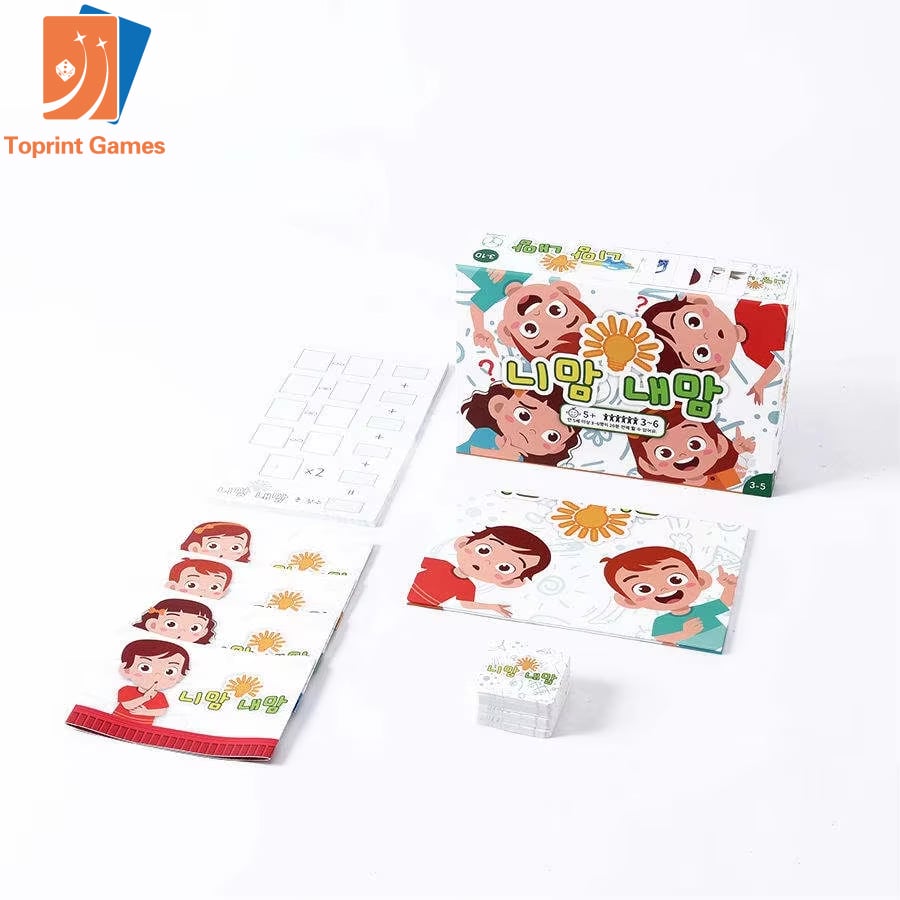
Transforming a playable game design into a finished commercial product requires a structured manufacturing partnership. For indie publishers and tabletop creators, selecting the right board game company to handle factory manufacturing is one of the most critical decisions in the publishing journey. A professional board game company acts as your technical guide, converting illustrations and prototypes into physical boards, cards, tokens, and boxes ready for retail distribution.
However, navigating production schedules and financial planning can be overwhelming for first-time creators. Unexpected timeline delays, unexpected freight charges, or sudden material cost shifts can quickly impact crowdfunding budgets and fulfillment plans.
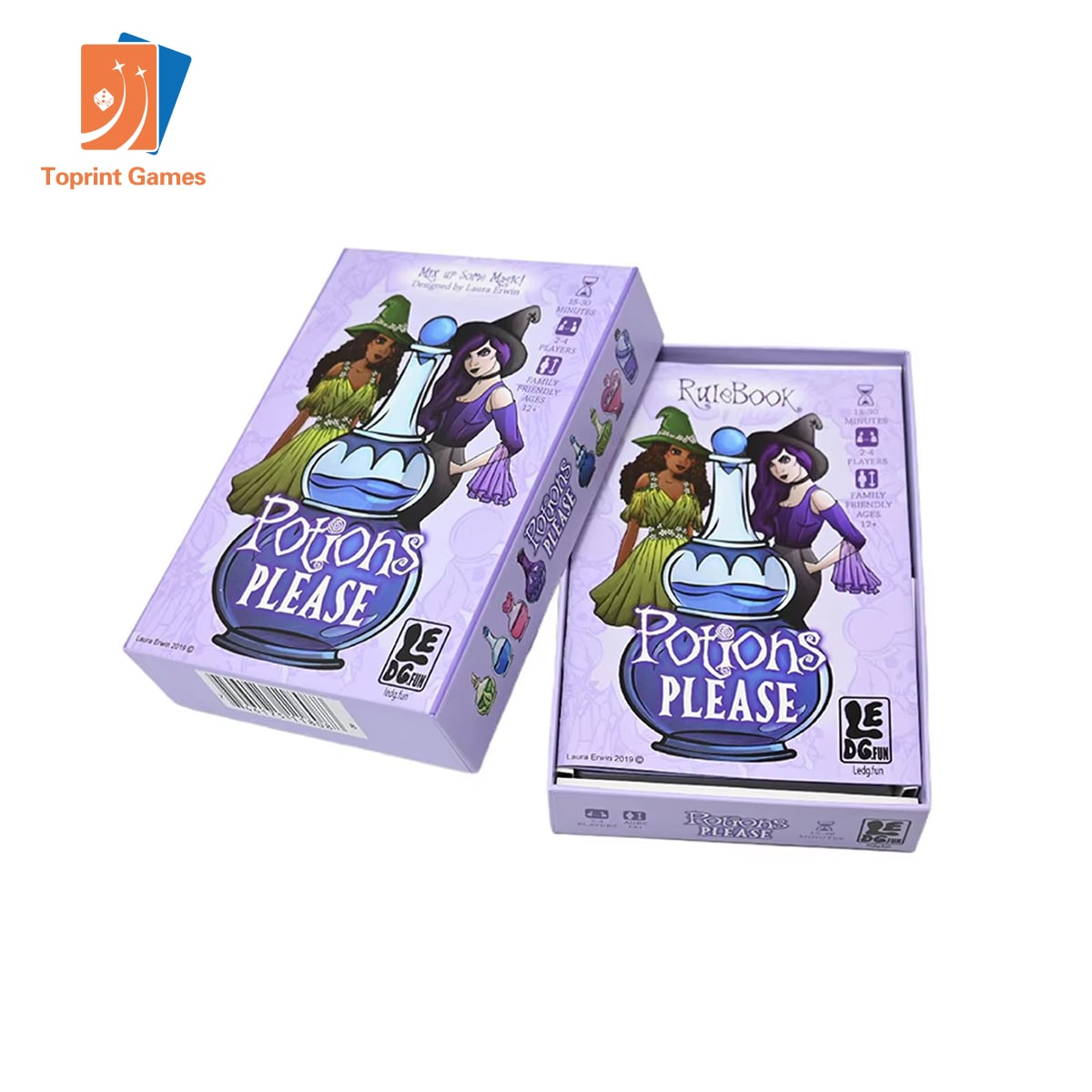
To ensure a smooth transition from file prep to global delivery, creators must understand how a board game company estimates production schedules, calculates manufacturing expenses, and manages quality control. This guide outlines the essential phases, budget considerations, and timeline milestones involved when partnering with an experienced board game company.
Understanding the Production Timeline Phases
Manufacturing a tabletop game is a multi-step engineering process rather than a simple print-on-demand task. A reliable board game company guides publishers through several distinct production stages, each requiring specific time allocations to guarantee material quality.
1. Pre-Press and File Proofing Phase
Before physical printing begins, your board game company conducts rigorous file proofing. Digital artwork files are reviewed to verify color profiles (CMYK), bleed lines, image resolution, and cut margins.
· Digital Proofing: The factory generates electronic proofs (PDFs) to verify layout accuracy, text positioning, and icon placement across all cards, boards, and packaging elements.
· Physical Sampling and Unprinted White Samples: A professional board game company creates a blank structural sample, known as a white sample, using exact cardboard and paper specifications. This physical prototype allows creators to evaluate box dimensions, component fits, and tray layouts before mass production.
· Color Proofs and Wet Proofs: Hardcopy color proofs or press sheets are printed to verify exact color reproduction, ensuring printed inks match original digital artwork files.
2. Tooling, Mold Creation, and Mass Manufacturing
Once pre-press proofs and samples receive final approval, your chosen board game company moves the project into full-scale factory production.
· Tooling and Cutting Dies: Custom cutting dies are produced for punchboard tokens, card decks, and rigid packaging boxes. If your game incorporates custom plastic miniatures, high-precision steel molds are engineered and tested.
· Mass Printing and Component Assembly: Industrial offset presses print millions of card sheets, rulebooks, and box wraps. Printed sheets are mounted onto high-density greyboard, die-cut into individual pieces, and sent to automated or manual assembly lines where components are packed into final game boxes.
· Quality Assurance and Safety Testing: A reputable board game company performs strict quality control inspections throughout assembly and coordinates safety compliance testing (such as ASTM, EN71, or CE certifications) through independent laboratories.
3. Freight Logistics and International Shipping
After assembly, final packed game cartons are prepared for global distribution. Your board game company coordinates ocean freight, customs documentation, and port deliveries to move finished inventory to regional fulfillment warehouses.
Key Budget Factors When Working with a Board Game Company
Managing financial expectations requires a clear understanding of the cost drivers involved in tabletop manufacturing. A professional board game company breaks down costs into several primary categories so publishers can maintain healthy profit margins.
MOQ and Unit Pricing
Order volume directly impacts individual unit manufacturing costs. Industrial printing presses and box assembly machinery involve fixed setup fees, plate creation expenses, and calibration labor.
· Spreading Fixed Setup Fees: When a project is produced in small volumes, fixed machinery setup fees raise the individual cost per box.
· Leveraging Economies of Scale: Partnering with an established board game company to manufacture larger production runs (such as 1,500 to 3,000 units) significantly lowers the cost per unit, as fixed setup expenses are distributed across a greater number of copies.
Material Specifications and Component Finishes
Material choices represent a significant portion of physical manufacturing budgets.
· Cardstock Options: Standard art paper cardstock offers an economical choice, while premium black-core cardboard provides superior opacity for competitive card games.
· Board and Box Density: Increasing greyboard thickness improves box rigidity and durability, but it also increases paper usage and overall product weight.
· Specialty Printing Finishes: Adding foil stamping, spot UV highlights, or metallic edges requires extra print passes, increasing overall manufacturing costs managed by your board game company.
Tooling, Custom Molds, and Freight Logistics
Components requiring custom physical shapes introduce initial tooling costs. Developing custom plastic molds for miniatures or specialized dice trays requires significant upfront investment. Utilizing standard component sizes, stock plastic pawns, or stock tray configurations provided by your board game company helps keep initial tooling expenses under control.
Finally, global shipping fees, port clearance costs, and customs duties must be factored into the overall budget alongside factory production fees.
Practical Strategies for Managing Schedules and Budgets
Maintaining open communication and thorough preparation prevents costly delays when partnering with an industrial manufacturing facility.
· Finalize Artwork Files Before Production Starts: Submitting complete, error-free artwork files to your board game company eliminates unnecessary proofing revisions and keeps the pre-press schedule moving efficiently.
· Account for Seasonal Peak Seasons: Manufacturing demand spikes prior to major holiday shipping seasons and industry conventions. Scheduling production runs with your board game company well in advance prevents delays caused by peak factory schedules or global shipping congestion.
· Buffer Timelines for Freight and Proof Approvals: Build realistic contingency buffers into your public timeline. Allocating extra time for physical sample approvals, safety testing certifications, and ocean transit ensures smooth fulfillment.
· Leverage Technical Guidance from Factory Engineers: Consult with engineers at your board game company early during component design. Factory experts can recommend subtle material adjustments or box dimension tweaks that lower manufacturing costs without compromising component quality.
Building a Successful Long-Term Publishing Partnership
Partnering with an experienced board game company is a collaborative process that spans design refinement, pre-press proofing, mass production, and global freight delivery. Understanding how a manufacturing facility manages production schedules and material expenses allows creators to navigate tabletop publishing with confidence.
By establishing clear communication, setting realistic production timelines, and managing material budgets strategically, independent publishers can turn creative tabletop concepts into polished commercial games. Working alongside a trusted board game company establishes a solid foundation for sustainable publishing growth, helping your tabletop titles reach gaming tables and retail shelves worldwide.