
 EN
EN


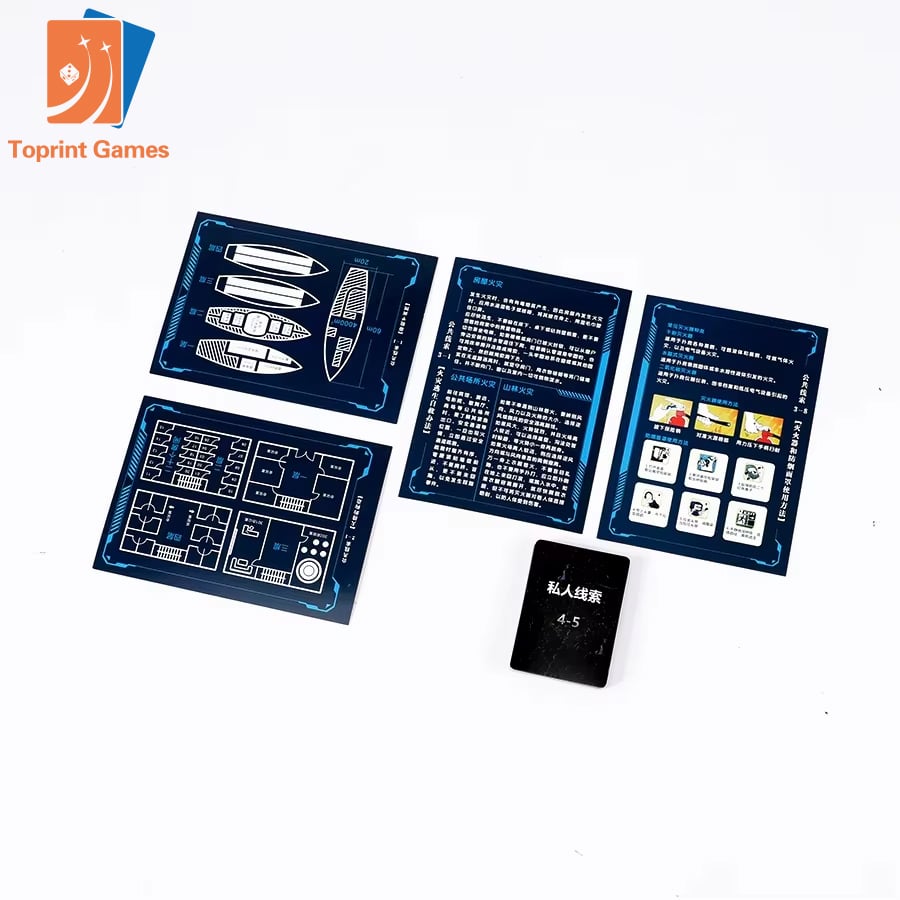
Delivering a flawless tabletop experience requires far more than compelling game mechanics and beautiful cover artwork. When players unbox a new release, they expect vibrant colors, crisp card edges, durable mounted game boards, precise plastic miniatures, and complete component counts. Achieving this level of physical perfection across thousands of printed boxes requires a dedicated board game company to implement rigorous quality control systems at every stage of manufacturing.
Modern tabletop manufacturing is an intricate industrial process that combines offset color printing, high-density paperboard mounting, precision die-cutting, plastic injection molding, and manual packaging assembly. Without comprehensive quality checks, small manufacturing issues—such as color shifting, registration errors, warped greyboard, or missing game tokens—can quickly compromise an entire production run, damaging a publisher's reputation and leading to costly replacement requests.

Understanding how an experienced board game company manages quality assurance helps game designers and indie publishers prepare their digital files, choose reliable manufacturing partners, and protect their physical product investments. This guide offers an inside look at the quality control procedures professional production facilities use to maintain high standards from digital proofing to global shipping.
Pre-Press Inspection and Structural Sample Proofing
Quality assurance begins long before industrial printing presses start running. The initial pre-press phase is designed to catch technical artwork errors and structural design flaws before raw materials are processed.
A professional board game company begins pre-press quality control with digital file verification:
· Artwork File Audits: Technical pre-press teams review digital files to verify correct color profiles (CMYK vs. RGB), confirm high-resolution image assets (minimum 300 DPI), check bleed margins, and ensure text stays clear of cut lines.
· Unprinted White Samples: Before mass printing, the board game company produces a physical prototype using blank cardstock, greyboard, and plastic tray materials. This white sample allows engineers and creators to test box dimensions, confirm card deck fits, and evaluate insert structural integrity.
· Hardcopy Color Proofs: Wet proofs or press sheets are printed using production-grade equipment to verify accurate color calibration, sharp line details, and proper ink density across game boards, cards, and box wraps.
Catching alignment or structural issues during pre-press saves significant production time and prevents costly material waste once mass manufacturing begins.
Material Sourcing and In-Line Manufacturing Control
Once pre-press proofs receive final approval, production moves into mass manufacturing. Controlling material consistency during active printing and component fabrication requires continuous monitoring across the factory floor.
An established board game company executes strict in-line quality checks across every component type:
· Color Management and Registration Checks: During offset press runs, technicians use densitometers and spectrophotometers to monitor ink density and alignment continuously. This prevents color variation between different card decks, rulebook pages, and game board panels.
· Cardstock Core and Coating Inspection: Paperstock undergoes physical testing to ensure consistent grammage (GSM), flexibility, and smooth varnish distribution. Playing cards are inspected to prevent edge burrs or surface defects that could compromise gameplay.
· Greyboard Bending and Moisture Control: High-density greyboard used for mounted game boards and rigid boxes is monitored for moisture content to prevent warping, splitting, or bubbling during paper wrapping.
· Miniature Mold Inspection: Plastic injection molding operations inspect plastic figures for surface flashing, fine detail resolution, and structural durability, ensuring every miniature matches original 3D digital sculpts.
By maintaining strict control over raw materials and machinery settings, a qualified board game company ensures uniform quality across every production batch.
Manual Assembly, Counting, and Final Inspection
Component assembly represents one of the most labor-intensive stages in tabletop manufacturing. Bringing cards, dice, punchboards, wooden meeples, plastic miniatures, and rulebooks together into a single wrapped box requires systematic counting and assembly verification.
To prevent missing pieces and assembly errors, a thorough board game company employs multi-layered verification checks:
· Weighted Scale Counting: Automated precision scales weigh individual component packs and complete assembled boxes. Because every card, pawn, and cardboard token has a precise weight, minor scale discrepancies instantly flag missing or extra items on the assembly line.
· Batch Spot Inspections: Quality assurance managers pull random sample boxes directly from the assembly line for complete teardown inspections. Every component is counted, inspected for visual flaws, and tested for correct tray fitting.
· Drop Testing and Structural Stress Checks: Fully packed sample boxes undergo standardized drop tests, vibration testing, and stacking stress evaluations to confirm that packaging protects internal components during international transit.
· Safety Certification Verification: For titles aimed at general retail, the board game company coordinates safety testing through accredited international testing laboratories to certify compliance with global standards, including ASTM, EN71, and CE requirements.
Automated weighing combined with visual spot checks ensures every game box leaving the assembly facility arrives intact and complete.
Protecting Your Production Investment Through Strict Quality Standards
For creators and independent publishers, partnering with a quality-focused manufacturing facility makes all the difference between an average release and an extraordinary commercial success. High quality standards eliminate fulfillment headaches, reduce replacement component requests, and build long-term player trust across the tabletop community.
By establishing rigorous pre-press audits, conducting continuous in-line press inspections, enforcing precise assembly checks, and performing comprehensive transit stress testing, a professional board game company guarantees that your creative vision translates perfectly into a finished physical product. Choosing a manufacturing partner that prioritizes quality control provides peace of mind, ensuring your tabletop project delights gamers from the moment they open the box.