
 EN
EN


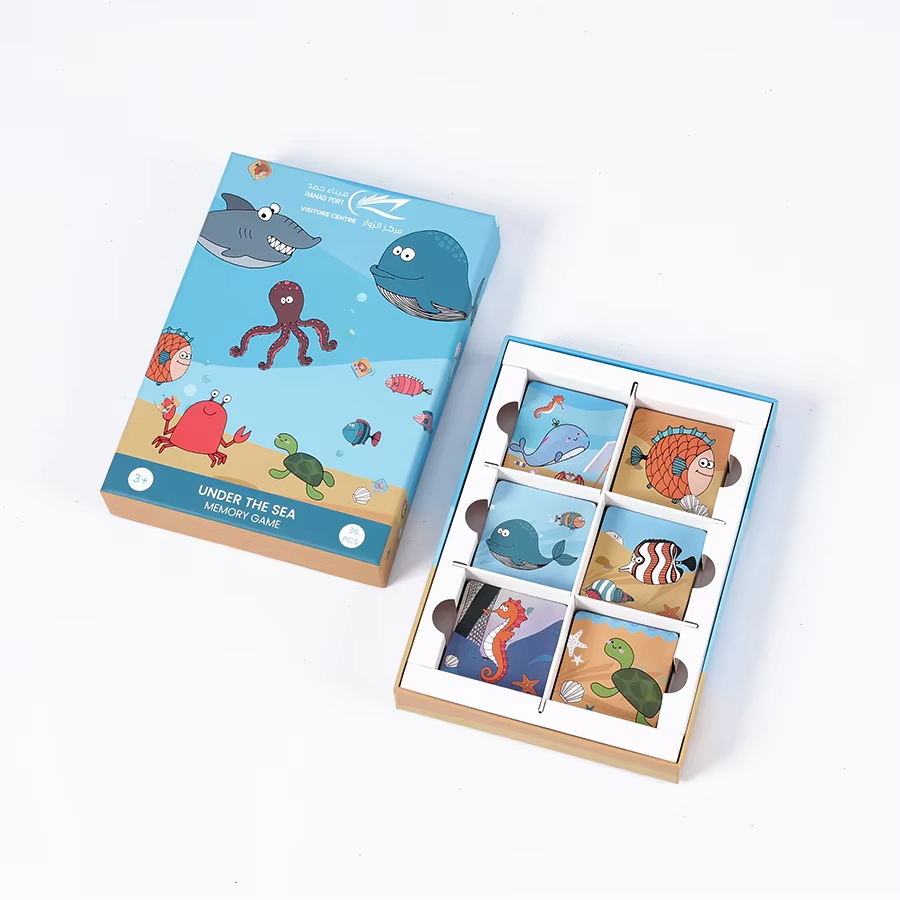
The world of tabletop gaming has experienced unprecedented growth in recent years, with millions of players discovering the joy of card-based entertainment. Behind every successful card game lies a crucial partnership with a skilled card game manufacturer who understands the intricate balance between quality materials, precise manufacturing processes, and cost-effective production. From indie designers launching their first prototype to established publishers expanding their catalog, choosing the right manufacturing partner can make the difference between a game that captivates players and one that falls apart after a few sessions.

Modern card games demand more than basic cardstock and simple printing. Today's competitive market requires manufacturers to deliver products that combine durability, visual appeal, and tactile satisfaction. A professional card game manufacturer must navigate complex decisions regarding paper weights, coating technologies, finishing techniques, and quality control measures that directly impact the final product's performance and longevity.
Understanding Paper Selection in Card Manufacturing
Core Stock Materials and Their Properties
The foundation of any quality card game begins with selecting appropriate core stock materials. Most professional card game manufacturer operations utilize paper weights ranging from 270 GSM to 350 GSM, with the specific choice depending on the intended use, target market, and budget considerations. Lighter stocks around 270-300 GSM provide adequate durability for casual games while keeping production costs manageable, making them popular choices for mass-market releases and promotional materials.
Premium card games typically employ heavier stocks in the 320-350 GSM range, which offer superior shuffle feel, enhanced durability, and reduced transparency issues. These heavier materials resist bending and creasing more effectively, ensuring that cards maintain their pristine appearance even after extensive gameplay sessions. The increased thickness also provides better opacity, preventing players from identifying cards based on subtle transparency variations that could compromise game integrity.
Specialty Papers for Enhanced Performance
Advanced card game manufacturer facilities often offer specialty paper options designed to address specific performance requirements. Linen-textured papers provide improved grip and shuffle characteristics, making them particularly suitable for games requiring frequent card handling. The subtle texture also adds a premium tactile experience that many players associate with high-quality gaming products.
Blue core papers represent another specialized option, featuring a colored middle layer that virtually eliminates transparency concerns. This construction method ensures that even when cards experience minor edge damage or wear, the underlying blue layer prevents any visual identification of the card face from the back. Many tournament-quality games specify blue core construction as a standard requirement for competitive play environments.
Coating Technologies and Surface Treatments
Protective Coating Systems
Modern card manufacturing relies heavily on protective coating systems to enhance durability and performance characteristics. Aqueous coatings provide a water-based protective layer that offers moderate protection against moisture, fingerprints, and general wear while maintaining a natural paper feel. These coatings work particularly well for games targeting younger audiences or educational markets where a softer touch experience is preferred.
UV coatings deliver superior protection and durability compared to aqueous alternatives, creating a harder surface that resists scuffing, moisture damage, and color fading. A skilled card game manufacturer applies UV coatings through specialized curing processes that create cross-linked polymer surfaces capable of withstanding thousands of shuffle cycles without significant degradation. The enhanced gloss and color saturation provided by UV coatings also contribute to more vibrant artwork reproduction.
Specialized Surface Treatments
Varnish applications offer another approach to surface protection, with options ranging from high-gloss finishes that maximize color vibrancy to satin finishes that reduce glare while maintaining protection. Matte varnishes provide unique aesthetic options while offering fingerprint resistance and glare reduction that many players prefer for extended gaming sessions.
Lamination processes represent the premium end of surface protection, involving the application of thin plastic films to card surfaces. While more expensive than coating options, lamination provides unmatched durability and moisture resistance, making it ideal for games intended for heavy use or challenging environmental conditions. Professional card game manufacturer operations often recommend lamination for outdoor games, children's products, or promotional materials that require exceptional longevity.
Finishing Processes and Quality Enhancement
Cutting and Edge Treatment
Precision cutting represents a critical aspect of card game manufacturing that directly impacts both functionality and perceived quality. Modern card game manufacturer facilities employ high-precision die-cutting equipment capable of maintaining tolerances within 0.1mm across entire production runs. This precision ensures consistent card dimensions that enable smooth shuffling and dealing while preventing size variations that could create marked cards.
Edge treatment options include straight cuts for traditional applications, rounded corners for enhanced durability and safety, and specialty edge treatments such as gilding or colored edges. Rounded corners significantly reduce the likelihood of corner damage during gameplay while providing a premium aesthetic that many players appreciate. The radius of corner rounding can be customized to match specific design requirements or brand preferences.
Quality Control and Testing Procedures
Comprehensive quality control measures distinguish professional card game manufacturer operations from basic printing services. Standard testing procedures include color accuracy verification using spectrophotometer measurements, dimensional consistency checks across sample populations, and durability testing through accelerated shuffle simulations. These tests ensure that production cards meet or exceed specified performance standards before shipment.
Advanced quality control protocols may include bend testing to verify crease resistance, humidity exposure testing to evaluate dimensional stability, and long-term color fastness evaluation under various lighting conditions. Many card game manufacturer facilities maintain climate-controlled environments throughout the production process to minimize variables that could impact final product quality.
Environmental Considerations and Sustainability
Eco-Friendly Material Options
Growing environmental awareness has prompted many game publishers to seek sustainable manufacturing options. Progressive card game manufacturer operations now offer FSC-certified papers sourced from responsibly managed forests, along with water-based inks and coatings that minimize environmental impact. These eco-friendly alternatives often provide comparable performance to traditional materials while supporting sustainability goals.
Recycled content papers present another sustainable option, with some formulations incorporating up to 30% post-consumer recycled fibers without compromising performance characteristics. While recycled papers may require slight adjustments to coating or printing processes, experienced manufacturers can achieve excellent results that meet both environmental and performance objectives.
Waste Reduction and Process Optimization
Efficient card game manufacturer operations implement comprehensive waste reduction strategies throughout the production process. Digital printing technologies enable precise quantity production with minimal setup waste, while advanced nesting software optimizes sheet layouts to maximize material utilization. Many facilities also maintain recycling programs for production trim and setup materials.
Process optimization extends beyond waste reduction to encompass energy efficiency measures such as LED curing systems for coatings, variable frequency drives on production equipment, and heat recovery systems that capture and reuse thermal energy from manufacturing processes. These improvements often provide both environmental benefits and cost savings that can be passed along to customers.
Cost Optimization Strategies
Volume Considerations and Pricing Models
Understanding the relationship between production volume and unit costs is essential for effective project planning. Most card game manufacturer pricing structures include significant setup costs for printing plates, cutting dies, and production configuration, making larger production runs substantially more cost-effective on a per-unit basis. However, optimal order quantities must balance unit cost savings against inventory carrying costs and cash flow considerations.
Many manufacturers offer tiered pricing structures with break points at common quantities such as 1,000, 2,500, 5,000, and 10,000 units. Understanding these break points enables informed decisions about production quantities that can significantly impact overall project economics. Some facilities also offer shared setup arrangements for standard specifications, allowing smaller orders to benefit from reduced setup allocations.
Specification Optimization for Budget Management
Strategic specification selection can substantially impact production costs without compromising essential quality requirements. For example, choosing standard paper weights and coatings typically available in manufacturer inventory reduces material costs compared to special-order specifications. Similarly, selecting standard card dimensions that align with common cutting patterns maximizes material utilization efficiency.
Color complexity represents another cost factor, with single-color or two-color printing options providing significant savings compared to full-color processes for appropriate applications. Many successful card games utilize limited color palettes effectively while achieving compelling visual designs that support gameplay mechanics and aesthetic goals.
FAQ
What paper weight should I choose for my card game
The optimal paper weight depends on your target market and intended use patterns. For casual family games or educational applications, 280-300 GSM provides adequate durability at reasonable cost. Premium hobby games typically use 320-350 GSM for superior shuffle feel and longevity. Tournament or competitive games often specify 330 GSM or heavier to ensure consistent performance under intensive use conditions.
How do different coating options affect gameplay experience
Coating selection significantly impacts shuffle characteristics and tactile feel. Aqueous coatings maintain a natural paper texture while providing basic protection, making them suitable for games requiring precise card control. UV coatings offer enhanced durability with a smoother surface that facilitates easier shuffling but may feel slippery initially. Varnish options provide intermediate characteristics with customizable gloss levels to match aesthetic preferences.
What factors determine the best card game manufacturer for my project
Key selection criteria include production capabilities matching your quantity requirements, material options supporting your quality specifications, and demonstrated experience with similar products. Evaluate manufacturers based on their quality control procedures, delivery reliability, communication responsiveness, and ability to provide samples or prototypes. Consider also their geographic location relative to your distribution needs and their capacity to handle potential reorder requirements.
How can I minimize manufacturing costs while maintaining quality
Cost optimization strategies include selecting standard specifications available in manufacturer inventory, optimizing print quantities to align with pricing break points, and designing artwork to minimize color complexity where appropriate. Consider shared setup programs for standard specifications, evaluate different paper and coating combinations to find optimal cost-performance balance, and work with manufacturers to identify potential design modifications that could reduce production complexity without compromising game functionality.