
 EN
EN



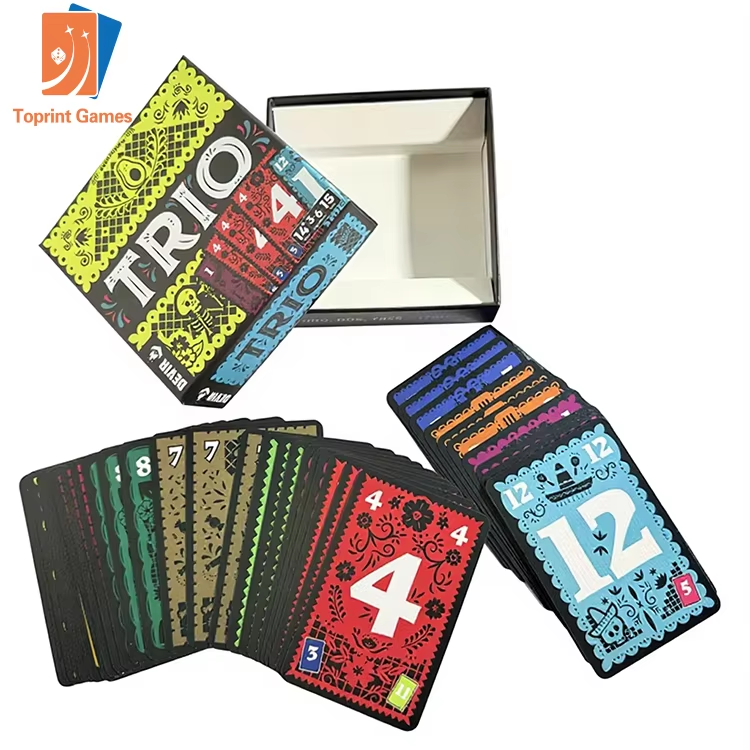
Selecting the right card game manufacturer is crucial for creating a product that captivates players and stands the test of time. Whether you're an indie game designer launching your first title or an established company expanding your portfolio, the manufacturing partner you choose directly impacts the quality, feel, and commercial success of your card game. The market offers numerous options, from local print shops to specialized international manufacturers, each presenting unique advantages and considerations that require careful evaluation.

The gaming industry has experienced tremendous growth, with tabletop games generating billions in revenue annually. This expansion has created both opportunities and challenges for game creators seeking reliable manufacturing partners. A professional card game manufacturer understands the intricate balance between cost efficiency, material quality, and production timelines that determine project success. The manufacturing process involves multiple stages, from initial prototyping to final packaging, each requiring specialized expertise and equipment to achieve optimal results.
Quality control measures implemented by experienced manufacturers ensure consistency across production runs, preventing costly reprints and maintaining brand reputation. Modern card game manufacturer facilities employ advanced printing technologies, precision cutting equipment, and rigorous testing protocols to deliver products that meet international standards. These capabilities become particularly important when producing games with complex components, specialty finishes, or unique card specifications that require technical precision.
Understanding Manufacturing Capabilities and Specializations
Production Technologies and Equipment Standards
Modern card game manufacturer facilities utilize state-of-the-art printing technologies that directly influence the final product quality. Offset printing remains the gold standard for large production runs, offering superior color accuracy, sharp text reproduction, and consistent results across thousands of cards. Digital printing technologies provide flexibility for smaller quantities and variable data printing, enabling custom components or personalized elements within games.
Advanced cutting and finishing equipment ensures precise card dimensions, clean edges, and uniform thickness throughout the deck. Die-cutting machines create custom card shapes, while specialized laminating equipment applies protective coatings that enhance durability and provide the desired tactile experience. Quality manufacturers invest in calibrated color management systems, ensuring color consistency between proof samples and final production runs.
Temperature and humidity-controlled production environments prevent warping, curling, and other moisture-related defects that can compromise card quality. Automated inspection systems detect printing defects, dimensional variations, and surface imperfections before products reach the packaging stage, maintaining quality standards throughout the manufacturing process.
Material Selection and Quality Standards
The foundation of exceptional card games lies in material selection, where experienced manufacturers demonstrate their expertise through comprehensive knowledge of paper stocks, coatings, and finishing options. Premium card stocks provide durability without excessive thickness, while specialized coatings enhance shuffling characteristics and protect against wear during gameplay.
Linen or vellum finishes offer improved grip and shuffling feel, particularly important for games requiring frequent card handling. Aqueous coatings provide moderate protection and maintain natural paper texture, while UV coatings deliver maximum durability with a glossy appearance. Some manufacturers offer specialty finishes like soft-touch coatings that create unique tactile experiences.
Environmental considerations increasingly influence material choices, with many card game manufacturer partners offering FSC-certified papers and eco-friendly inks. These sustainable options meet growing consumer demand for environmentally responsible products without compromising quality or performance characteristics that define premium gaming experiences.
Evaluating Quality Control and Testing Procedures
Production Sampling and Approval Processes
Comprehensive quality control begins with detailed sampling procedures that allow clients to evaluate materials, colors, and finishes before committing to full production runs. Professional manufacturers provide multiple sample formats, including individual card samples, color-matched proofs, and complete deck prototypes that accurately represent final product specifications.
Pre-production samples undergo rigorous testing for shuffle quality, durability, and visual consistency. Color matching protocols ensure printed colors match approved specifications across different lighting conditions and production batches. Dimensional accuracy testing verifies card sizes meet specified tolerances, ensuring compatibility with sleeves, deck boxes, and other gaming accessories.
Approval workflows establish clear communication channels between designers and production teams, preventing misunderstandings that could result in costly reprints or project delays. Digital approval systems streamline the review process while maintaining detailed records of approved specifications and client feedback throughout the manufacturing timeline.
Durability Testing and Performance Standards
Rigorous durability testing simulates extended gameplay conditions to ensure cards maintain their appearance and functionality over time. Shuffle testing equipment replicates hundreds of shuffle cycles, evaluating edge wear, corner damage, and surface deterioration under controlled conditions. These tests reveal potential weaknesses in materials or construction methods before products reach consumers.
Tear strength measurements determine card resistance to accidental damage during handling, while flexibility testing evaluates bend recovery and crease resistance. Professional card game manufacturer facilities maintain environmental testing chambers that expose samples to various temperature and humidity conditions, ensuring product stability across different storage and play environments.
Performance benchmarking compares manufactured cards against industry standards and competitor products, providing objective data about shuffle characteristics, durability ratings, and overall user experience. This comparative analysis helps manufacturers optimize their processes and helps clients make informed decisions about material specifications and quality expectations.
Cost Considerations and Budget Planning
Pricing Structure Analysis
Understanding manufacturer pricing structures enables informed decision-making and accurate project budgeting. Most card game manufacturer companies employ tiered pricing based on quantity breaks, with significant per-unit cost reductions at higher volumes. Setup costs, including plate creation, die-cutting tools, and color matching, represent fixed expenses distributed across the production run size.
Material upgrades typically follow percentage-based pricing, where premium stocks or specialty finishes add specific percentages to base costs. Finishing options like embossing, foil stamping, or specialty coatings incur additional charges based on coverage area and complexity. International shipping, customs duties, and handling fees add variable costs depending on destination and delivery timeline requirements.
Payment terms vary among manufacturers, with some requiring full prepayment while others offer production financing options. Understanding these terms helps manage cash flow during lengthy production cycles, particularly for crowdfunded projects with delayed revenue recognition or seasonal product launches requiring inventory investment.
Value Engineering and Cost Optimization
Strategic value engineering balances cost control with quality requirements through careful specification optimization. Experienced manufacturers provide guidance on material selections that achieve desired performance characteristics while minimizing unnecessary expenses. Standard card sizes reduce cutting costs, while common paper stocks offer volume pricing advantages.
Production scheduling flexibility allows manufacturers to optimize press runs and reduce setup costs by grouping compatible jobs. Off-peak production periods sometimes offer pricing incentives, though this requires flexible launch timelines. Package consolidation reduces shipping costs when producing multiple game components or product variants simultaneously.
Long-term partnership agreements may include volume commitments that unlock preferential pricing tiers. A reliable card game manufacturer often provides valuable consultation on design modifications that reduce production complexity while maintaining intended gameplay and visual impact, resulting in sustainable cost structures for ongoing product lines.
Production Timeline Management and Logistics
Manufacturing Schedule Planning
Effective timeline management begins with understanding each phase of the manufacturing process and potential bottlenecks that could impact delivery schedules. Pre-production activities include file preparation, color matching, sample production, and client approvals, typically requiring one to two weeks depending on complexity and revision cycles.
Actual production time varies based on quantity, complexity, and current facility capacity. Standard card production usually requires two to four weeks, while specialty finishes or custom components may extend timelines significantly. Queue position affects start dates, particularly during peak seasons when many card game manufacturer facilities experience increased demand.
Post-production activities include quality inspection, packaging, and shipping preparation. International shipments require additional time for customs documentation and potential inspections. Manufacturers typically provide detailed production schedules with milestone dates, enabling clients to plan marketing activities, distribution arrangements, and product launch events accordingly.
Supply Chain Reliability and Risk Management
Supply chain stability directly impacts production reliability and cost predictability. Established manufacturers maintain relationships with multiple material suppliers, reducing risks associated with shortages or quality issues from single sources. Inventory management practices ensure adequate stock levels of commonly used materials while minimizing carrying costs.
Geographic diversification helps mitigate regional disruptions, whether from natural disasters, transportation strikes, or political instability. Manufacturers with multiple facility locations can redirect production when necessary, maintaining delivery commitments despite localized challenges. Communication protocols keep clients informed about potential delays and alternative solutions.
Contingency planning addresses various scenarios that could impact production schedules or costs. Force majeure clauses protect both parties from unforeseeable circumstances, while flexible production scheduling accommodates urgent requirements when capacity permits. Professional card game manufacturer partners maintain transparent communication about capacity constraints and realistic delivery expectations.
Communication and Customer Service Excellence
Project Management and Client Support
Effective communication forms the foundation of successful manufacturing partnerships, requiring dedicated project managers who understand both technical production requirements and client business objectives. Experienced manufacturers assign specific contacts who remain available throughout the entire production cycle, ensuring continuity and preventing miscommunication between different team members.
Regular progress updates keep clients informed about production status, potential challenges, and schedule adherence. Digital project management platforms provide real-time visibility into production milestones, quality checkpoints, and shipping preparations. Proactive communication about potential delays enables clients to adjust marketing plans or manage customer expectations accordingly.
Technical support capabilities help resolve design challenges, recommend optimization opportunities, and troubleshoot production issues before they impact final product quality. Knowledgeable support staff can suggest alternative approaches when initial specifications present manufacturing difficulties or cost concerns, maintaining project momentum while achieving desired outcomes.
After-Sales Support and Problem Resolution
Comprehensive after-sales support distinguishes exceptional manufacturers from basic production facilities. Quality guarantee policies protect clients against manufacturing defects, typically offering replacement or refund options for products that fail to meet approved specifications. Clear documentation of quality standards and acceptance criteria prevents disputes and expedites resolution processes.
Ongoing support includes assistance with reorder planning, specification updates for subsequent printings, and consultation on product line extensions. Experienced card game manufacturer teams maintain detailed records of previous projects, enabling consistent reproduction and efficient processing of repeat orders with minimal setup requirements.
Problem escalation procedures ensure rapid response to urgent issues, with management involvement when necessary to maintain customer satisfaction. Continuous improvement initiatives incorporate client feedback into process refinements, demonstrating commitment to long-term partnership development and mutual success.
FAQ
What minimum order quantities do card game manufacturers typically require
Most professional card game manufacturer companies establish minimum order quantities ranging from 1,000 to 5,000 units, depending on the complexity of the product and production efficiency requirements. These minimums help offset setup costs for printing plates, die-cutting tools, and color calibration processes. Some manufacturers offer lower minimums for prototype runs or test markets, though per-unit costs increase significantly at smaller quantities. Digital printing capabilities enable some facilities to accommodate orders as small as 100-500 units, making them suitable for initial testing or limited edition releases.
How long does the typical card manufacturing process take from order to delivery
Standard production timelines range from 3-6 weeks, including pre-production setup, manufacturing, quality control, and packaging phases. International shipping adds 1-3 additional weeks depending on destination and shipping method selected. Expedited production may be available for urgent requirements, though this typically incurs premium pricing and requires flexible scheduling availability. Complex projects involving multiple components, specialty finishes, or extensive customization may require 8-12 weeks for completion. Peak seasons and facility capacity can extend these timelines, making early planning essential for time-sensitive product launches.
What file formats and specifications are required for card artwork submission
Professional manufacturers typically require high-resolution PDF files with embedded fonts and images at 300 DPI minimum resolution. CMYK color mode ensures accurate color reproduction, while spot colors may be specified using Pantone color matching system references. Bleed areas of 2-3mm beyond final card dimensions accommodate cutting tolerances, and safety margins keep critical elements away from trim edges. Vector-based graphics provide optimal scalability and print quality. Some card game manufacturer facilities accept native design files from Adobe Creative Suite, though PDF submission reduces compatibility issues and preserves formatting integrity.
How can I verify the quality and reliability of a potential manufacturing partner
Request physical samples of previous work, particularly projects similar in scope and complexity to your requirements. Contact references from recent clients to discuss their experiences with quality, timeline adherence, and customer service. Verify certifications for quality management systems, environmental standards, and industry compliance requirements. Visit facilities when possible to observe production capabilities, quality control procedures, and overall operational professionalism. Review detailed proposals that demonstrate understanding of your specific requirements and technical challenges. Evaluate communication responsiveness and technical expertise during initial consultations, as these factors typically reflect overall service quality and partnership potential.
Table of Contents
- Understanding Manufacturing Capabilities and Specializations
- Evaluating Quality Control and Testing Procedures
- Cost Considerations and Budget Planning
- Production Timeline Management and Logistics
- Communication and Customer Service Excellence
-
FAQ
- What minimum order quantities do card game manufacturers typically require
- How long does the typical card manufacturing process take from order to delivery
- What file formats and specifications are required for card artwork submission
- How can I verify the quality and reliability of a potential manufacturing partner