
 EN
EN


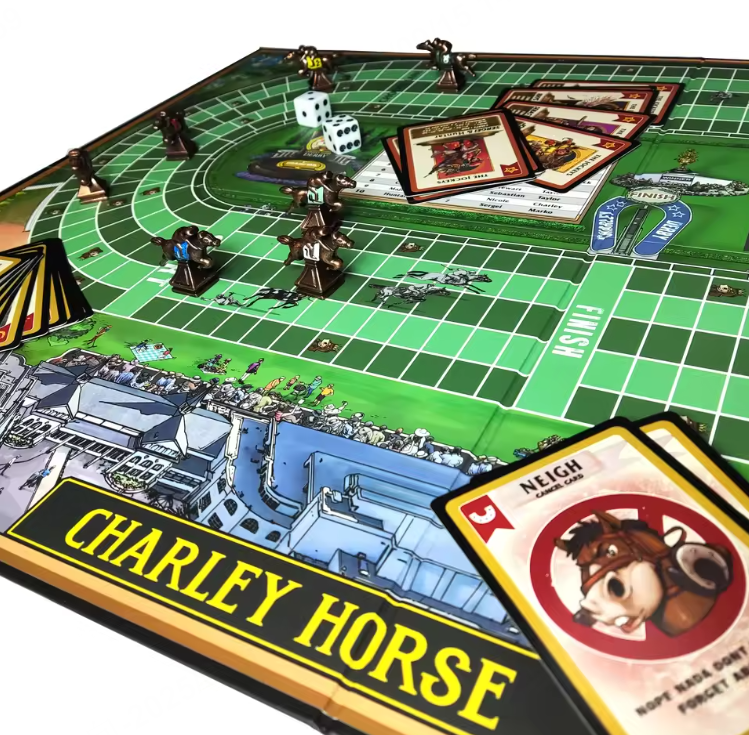
The world of tabletop gaming has experienced unprecedented growth over the past decade, creating numerous opportunities for aspiring board game makers to enter this thriving industry. Whether you're a passionate hobbyist looking to turn your creative vision into reality or an entrepreneur seeking to establish a profitable gaming business, understanding the essential tools and resources available to board game makers is crucial for success. The journey from initial concept to published game requires careful planning, strategic thinking, and access to the right resources that can transform your innovative ideas into engaging gameplay experiences.
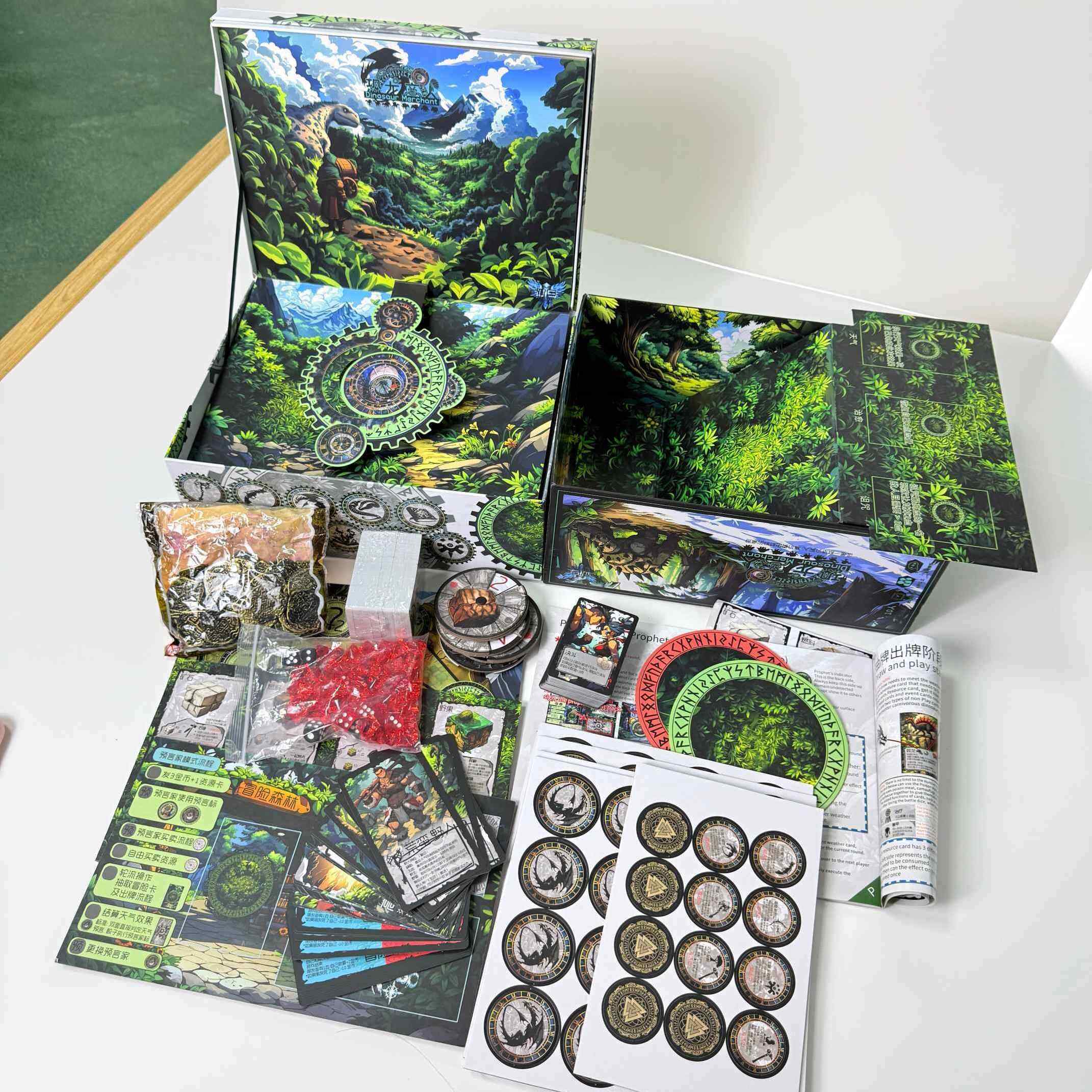
Modern board game makers have access to an extensive ecosystem of tools, platforms, and services that streamline the development process from conception to market launch. The accessibility of digital design software, print-on-demand services, and crowdfunding platforms has democratized game creation, allowing independent creators to compete alongside established publishers. This comprehensive guide explores the fundamental resources that every aspiring game creator should consider when embarking on their board game development journey.
Game Design and Prototyping Tools
Digital Design Software Solutions
Professional board game makers rely heavily on sophisticated design software to create polished game components and artwork. Adobe Creative Suite, particularly Illustrator and InDesign, remains the industry standard for creating card layouts, board designs, and marketing materials. These powerful applications offer precise control over typography, color management, and vector graphics that ensure high-quality print reproduction. Many board game makers also utilize specialized software like Component Studio or nanDECK for rapid prototyping and automated card generation.
Alternative software options provide cost-effective solutions for budget-conscious creators. GIMP and Inkscape offer robust free alternatives to Adobe products, while Canva provides user-friendly templates specifically designed for game components. Tabletop Simulator has become increasingly popular among board game makers for digital prototyping and remote playtesting, allowing creators to iterate quickly without physical components. These digital tools enable rapid experimentation with game mechanics, artwork, and component layouts before investing in physical prototypes.
Physical Prototyping Resources
Creating physical prototypes remains essential for serious board game makers who need to test tactile elements and player interactions. Basic prototyping supplies include high-quality cardstock, laminating equipment, precision cutting tools, and various gaming components like dice, meeples, and tokens. Many creators maintain well-stocked craft rooms with materials for quick iterations and modifications based on playtesting feedback. Professional-grade cutting machines like Cricut or Silhouette Cameo enable precise component creation and consistent results across multiple prototype iterations.
Specialized prototyping services cater specifically to board game makers who require professional-quality components for advanced testing or publisher presentations. Companies like The Game Crafter and Print Play Games offer small-batch printing services with game-specific materials and finishing options. These services bridge the gap between handmade prototypes and full production runs, providing board game makers with near-production-quality components for comprehensive testing and demonstration purposes.
Manufacturing and Production Partners
Overseas Manufacturing Options
Successful board game makers understand that choosing the right manufacturing partner significantly impacts their project's success and profitability. China remains the dominant hub for board game production, with established manufacturers offering competitive pricing, extensive component options, and proven quality control processes. Leading manufacturers like Longpack, Whatz Games, and Panda Manufacturing have built strong reputations among board game makers for delivering consistent quality across various game types and complexity levels.
When evaluating manufacturing partners, experienced board game makers consider factors beyond initial pricing quotes. Production capacity, communication quality, shipping logistics, and quality control procedures all influence the final product outcome. Many manufacturers now offer comprehensive services including component sourcing, assembly, shrink-wrapping, and direct shipping to fulfillment centers. This end-to-end approach simplifies the production process for board game makers while maintaining cost efficiency and quality standards.
Domestic and Regional Production
While overseas manufacturing dominates large-scale production, domestic and regional manufacturers provide valuable alternatives for board game makers with specific needs or preferences. North American and European manufacturers often excel in smaller print runs, faster turnaround times, and enhanced communication throughout the production process. Companies like Ludofact in Germany and Cartamundi in Belgium have earned recognition for premium quality production, though typically at higher price points than Asian alternatives.
Regional production offers additional benefits including reduced shipping costs, lower minimum order quantities, and easier quality control oversight. Many board game makers use domestic manufacturers for initial production runs or limited editions while transitioning to overseas partners for larger volumes. This hybrid approach allows creators to maintain flexibility while optimizing costs and delivery schedules based on specific project requirements and market conditions.
Marketing and Distribution Channels
Digital Marketing Platforms
Modern board game makers must master digital marketing to reach their target audiences effectively in an increasingly competitive marketplace. Social media platforms like Instagram, Twitter, and Facebook provide powerful tools for building communities around gaming projects and engaging directly with potential customers. Video content on YouTube and TikTok has become particularly effective for demonstrating gameplay mechanics and building anticipation for upcoming releases. Many successful board game makers invest significant time in content creation, sharing development progress, behind-the-scenes insights, and interactive demonstrations.
Email marketing remains a cornerstone strategy for experienced board game makers who understand the importance of building direct relationships with their audience. Platforms like Mailchimp and ConvertKit enable creators to segment audiences, automate campaigns, and track engagement metrics throughout the development and launch process. Successful campaigns often include exclusive previews, early access opportunities, and special pricing for subscribers, creating a sense of community and encouraging word-of-mouth promotion.
Crowdfunding and Pre-Order Platforms
Kickstarter has revolutionized the board game industry by providing board game makers with access to funding and market validation before committing to full production. The platform's gaming category consistently ranks among the most successful, with hundreds of projects funded monthly. Successful Kickstarter campaigns require extensive preparation, including compelling video content, detailed project descriptions, attractive reward tiers, and comprehensive marketing strategies that extend beyond the platform itself.
Alternative crowdfunding platforms like Gamefound and Indiegogo offer different features and audience demographics that may better suit specific projects or creator preferences. Gamefound, designed specifically for tabletop games, provides enhanced project management tools and integrated pledge management systems. Many board game makers now utilize multiple platforms or combine crowdfunding with pre-order systems to maximize reach and funding potential while maintaining flexibility in their launch strategies.
Community and Professional Networks
Industry Conventions and Events
Networking within the board game community provides invaluable opportunities for aspiring board game makers to learn from experienced creators, connect with industry professionals, and showcase their projects to potential publishers or collaborators. Major conventions like Gen Con, Origins Game Fair, and Essen Spiel offer dedicated spaces for independent creators to demonstrate games, receive feedback, and build relationships with publishers, distributors, and fellow designers.
Regional and specialized events often provide more intimate settings for meaningful connections and detailed discussions about game design and publishing. Events like Protospiel gatherings focus specifically on playtesting and development feedback, while publisher-specific events offer direct access to acquisition teams and decision-makers. Many successful board game makers credit convention networking as crucial to their breakthrough moments and ongoing professional development.
Online Communities and Forums
Digital communities provide ongoing support and resources for board game makers throughout their development journey. BoardGameGeek remains the most comprehensive online resource, offering extensive databases, active forums, and detailed reviews that help creators understand market trends and player preferences. The site's designer forums provide specific areas for discussing mechanics, seeking feedback, and connecting with other creators facing similar challenges.
Specialized Facebook groups, Discord servers, and Reddit communities offer real-time interaction and support for board game makers at various experience levels. Groups like Board Game Design Lab and The Boardgame Group provide structured environments for sharing work-in-progress content, receiving constructive criticism, and accessing educational resources. Many experienced creators actively mentor newcomers through these platforms, sharing insights gained through years of industry experience and successful project launches.
Educational Resources and Skill Development
Design Theory and Methodology
Understanding fundamental game design principles separates successful board game makers from hobbyists who struggle to create engaging experiences. Essential concepts include player agency, meaningful choices, feedback loops, and difficulty progression that collectively create compelling gameplay. Resources like Jesse Schell's "The Art of Game Design" and Geoff Engelstein's "Achievement Relocked" provide comprehensive frameworks for analyzing and improving game mechanics.
Online courses and workshops offer structured learning opportunities for board game makers seeking to develop specific skills or deepen their understanding of design principles. Platforms like Udemy, Coursera, and specialized sites like Board Game Design Course provide expert instruction on topics ranging from basic mechanics to advanced balancing techniques. Many courses include practical exercises, peer feedback opportunities, and access to instructor expertise that accelerates the learning process.
Business and Publishing Knowledge
Successful board game makers must develop business acumen alongside creative skills to navigate the commercial aspects of game publishing effectively. Understanding intellectual property law, contract negotiation, marketing strategies, and financial planning directly impacts project success and long-term sustainability. Resources like James Mathe's "The Board Game Designer's Guide" provide practical insights into the business side of game creation and publishing.
Industry podcasts, webinars, and educational content from successful publishers offer ongoing learning opportunities for board game makers at all experience levels. Shows like "Board Game Design Lab," "The Dice Tower," and "So Very Wrong About Games" feature interviews with industry professionals, detailed analyses of successful games, and discussions of current market trends that inform strategic decision-making throughout the development and publishing process.
Technology and Digital Tools
Project Management and Organization
Effective project management becomes increasingly important as board game makers advance from simple prototypes to complex productions involving multiple collaborators and deadlines. Digital tools like Trello, Asana, and Notion provide structured frameworks for tracking development milestones, managing playtesting feedback, and coordinating with artists, manufacturers, and marketing partners. These platforms enable creators to maintain visibility into all aspects of their projects while facilitating collaboration and accountability.
Specialized project management approaches tailored to game development help board game makers optimize their workflows and reduce development time. Agile methodology, borrowed from software development, provides iterative frameworks that align well with the prototyping and testing cycles common in game design. Many successful creators develop custom systems combining digital tools with physical organization methods to track components, rules iterations, and feedback across multiple projects simultaneously.
Analytics and Market Research Tools
Data-driven decision making increasingly influences successful board game makers who understand the importance of market research and player behavior analysis. Tools like Google Analytics, social media insights, and crowdfunding platform data provide valuable metrics for understanding audience engagement, conversion rates, and marketing effectiveness. This information enables creators to refine their messaging, optimize their marketing spend, and make informed decisions about game features and positioning.
Market research platforms and industry reports help board game makers identify trends, analyze competitor strategies, and validate market demand for specific themes or mechanics. Services like ICv2 provide regular industry analysis, while BoardGameGeek's extensive database offers detailed information about player preferences, ratings trends, and market performance across various game categories. Successful creators combine quantitative data with qualitative feedback to make strategic decisions throughout the development and marketing process.
FAQ
What initial investment do board game makers typically need to get started
Beginning board game makers can start with minimal investment by focusing on digital design tools and basic prototyping materials. Essential software subscriptions and crafting supplies typically cost between $200-500 initially. However, advancing to professional prototypes and small production runs may require $2,000-10,000 depending on game complexity and component requirements. Many successful creators bootstrap their early projects using print-on-demand services and crowdfunding to minimize upfront costs while validating market demand.
How long does it typically take to develop a board game from concept to market
The development timeline for board game makers varies significantly based on game complexity, team size, and production approach. Simple card games might reach market within 6-12 months, while complex strategy games often require 2-3 years of development, testing, and production. Factors including artwork creation, extensive playtesting, manufacturing setup, and marketing preparation all influence the timeline. Many experienced creators work on multiple projects simultaneously to maintain consistent release schedules.
Do board game makers need formal education in game design
Formal education is not required for board game makers, though it can provide valuable theoretical foundations and networking opportunities. Many successful creators are self-taught through online resources, community involvement, and hands-on experience. However, courses in graphic design, business, or psychology can enhance specific skills relevant to game creation and publishing. The most important factors are creativity, persistence, willingness to learn from feedback, and understanding of player psychology and game mechanics.
What are the most common mistakes new board game makers should avoid
New board game makers often struggle with overcomplicating their initial designs, skipping extensive playtesting phases, and underestimating production costs and timelines. Common pitfalls include inadequate market research, poor component quality decisions, and insufficient marketing preparation before launch. Successful creators emphasize starting simple, gathering extensive feedback, building communities early, and thoroughly understanding all costs involved in production and fulfillment before committing to manufacturing agreements.