
 EN
EN


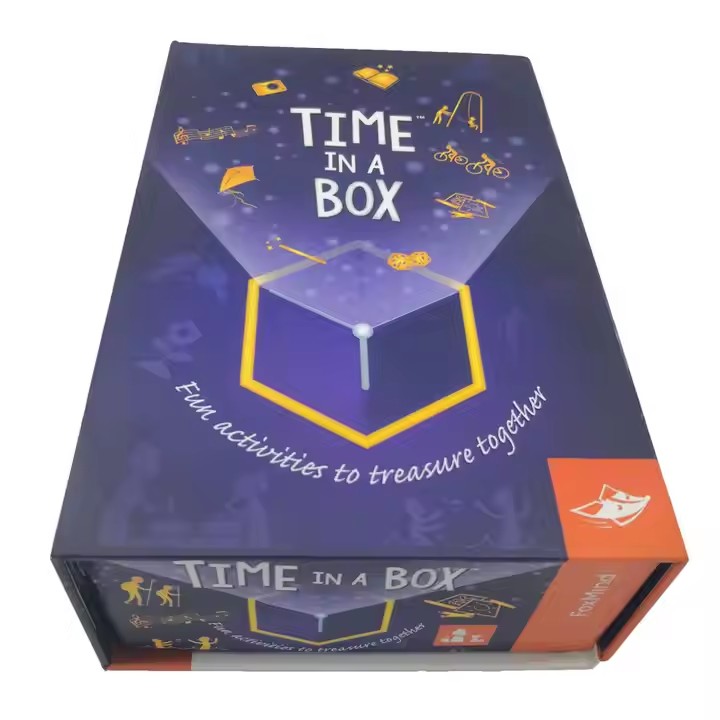
Creating a successful custom board game requires far more than solid mechanics and great game design—it requires making the right material choices for physical tabletop components. The tactile feel of a heavyweight linen-finish card, the satisfying weight of a metal coin, or the sharp detail on a custom miniature can transform a simple tabletop session into an unforgettable gaming experience.
When publishers and independent designers bring a custom board game to production, they face hundreds of technical specifications. Choosing the right paper weights, board folding styles, plastic resins, and box structures directly impacts both production costs and player satisfaction. Working with a dedicated manufacturing partner allows creators to select the ideal physical elements that fit their vision, target retail price, and shipping logistics.

This comprehensive guide breaks down the core physical components of a custom board game, helping creators make informed material decisions for their next tabletop project.
Playing Cards and Custom Cardstock
Cards form the core component of almost every modern custom board game. Whether serving as action decks, resource cards, or character sheets, cardstock selection dictates the durability and tactile feedback of your game.
When manufacturing cards for a custom board game, designers must balance flexibility, opacity, and durability:
· Core Options and Card Weight: Cards are typically produced using GSM (grams per square meter) ratings. A standard custom board game deck uses 300gsm or 350gsm art paper. For high-end collectible projects, black-core paperstock is essential because its inner opaque layer prevents players from seeing through cards under direct light.
· Surface Finishes: Smooth finishes deliver vibrant color reproduction, while linen finishes add a micro-textured grid that improves shuffling, reduces surface glare, and prevents cards from sticking together.
· Protective Coatings: Matte and gloss varnishes protect printed inks from oil and moisture during frequent play. UV coatings and foil stamping can be added to highlight rare or high-value cards within a custom board game.
By choosing appropriate cardstock and finishing options, creators ensure their custom board game cards withstand hundreds of play sessions without fraying or fading.
Game Boards and Mounted Boards
The central game board is often the visual focal point of any custom board game. It establishes the world, guides player movement, and holds key game information.
Manufacturing a durable board for a custom board game involves joining printed art paper to thick greyboard through a precise wrapping and mounting process:
· Greyboard Thickness: Standard boards utilize 1.5mm to 3.0mm high-density greyboard to resist warping and bending over time.
· Folding Styles: Depending on box dimensions, boards can be engineered as bi-fold, quad-fold, or six-panel folding boards. Larger multi-fold designs allow a massive custom board game map to pack away tightly inside a compact game box.
· Neoprene Playmats: As an alternative or deluxe upgrade to traditional mounted boards, rollable neoprene playmats offer non-slip rubber backing and stitched edges, providing a modern feel for competitive custom board game setups.
Careful board engineering ensures that folds lay flat on the table, art lines align across seams, and edges remain protected against wear.
Custom Miniatures and Tabletop Figures
Miniatures have become one of the most powerful features for crowdfunding campaigns and high-end releases in the custom board game market. Detailed figures bring characters, monsters, and vehicles to life right on the board.
Producing high-quality figures for a custom board game relies on selecting the right material and tooling method:
· Plastic Injection Molding (PVC/ABS): The industry standard for high-volume custom board game production. PVC offers slight flexibility for slender weapons and limbs to prevent snapping, while ABS provides rigid structural integrity for bases and multi-part assemblies.
· Resin Miniatures: Ideal for low-volume runs or ultra-detailed collector figurines. Resin captures extremely crisp sculpted details, making it popular for complex display pieces.
· Wood and Acrylic Standees: For budget-conscious or eco-friendly custom board game projects, screen-printed wooden meeples or laser-cut clear acrylic standees offer a charming, cost-effective alternative to molded plastic miniatures.
Matching the miniature production method to your budget guarantees that every character in your custom board game looks impressive on the table.
Dice, Tokens, and Resource Components
Small components handle the internal economy, randomness, and score-tracking in a custom board game. These items receive constant handling, making material choice vital for long-term usability.
A well-designed custom board game combines functional utility with engaging materials across all small tokens:
· Custom Dice: From standard engraved acrylic dice to custom-cast resin or heavy metal dice, unique icon engraving gives a custom board game its own signature look and feel.
· Punchboard Tokens: Thick punchboard sheets (typically 1.5mm to 2.0mm) are custom die-cut into resource tokens, victory points, and character markers. High-density cardboard ensures crisp die-cuts without tearing during assembly.
· Wooden and Metal Upgrades: Replacing cardboard tokens with painted wooden resource shapes or heavy metal coins elevates a standard release into a premium custom board game experience.
Providing clear visual and physical distinctions between different token types keeps gameplay smooth and intuitive for players.
Box Construction and Custom Packaging Inserts
The box is the first physical interaction a buyer has with your custom board game. Beyond visual branding, a sturdy box protects components during international transit and keeps contents organized on home storage shelves.
Packaging engineering for a custom board game focuses on both external protection and internal organization:
· Telescope Boxes: The classic rigid box design, consisting of a separate top cover that slides over a bottom tray. Constructed from thick wrapped greyboard, these boxes withstand heavy stacking in retail environments.
· Tuck Boxes and Magnet Boxes: Compact tuck boxes house smaller card-based titles, while magnetic-closure rigid boxes provide a luxurious opening experience for collector editions of a custom board game.
· Internal Storage Inserts: Custom vacuum-formed plastic (VAC) trays, molded pulp trays, or modular EVA foam inserts keep miniatures, cards, dice, and boards neatly organized inside the box, preventing damage during shipping.
Investing in smart packaging design ensures your custom board game arrives safely at backer doorsteps and remains easy to set up every game night.
Bringing Your Custom Board Game to Life
Manufacturing a successful custom board game requires balancing creative artistic vision with practical production specifications. Every choice—from paper core density to miniature plastic formulation—shapes how players perceive and enjoy your tabletop creation.
By working closely with an experienced manufacturing partner, independent publishers and game designers can streamline component sourcing, optimize box layouts, and manage production costs effectively. Understanding physical component options empowers creators to turn their game design into a polished, commercial-ready custom board game that stands out on retail shelves and gaming tables worldwide.