
 EN
EN



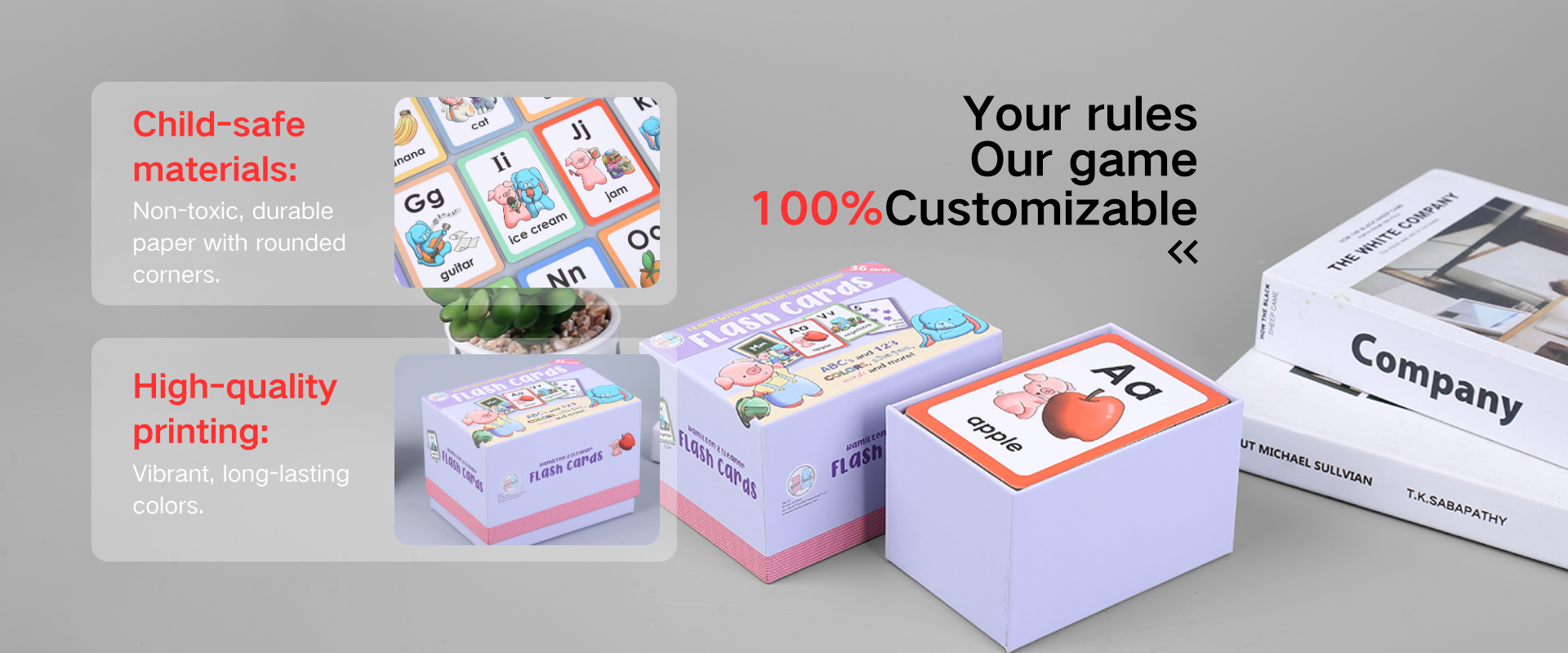
The board gaming industry has experienced unprecedented growth over the past decade, with global revenues reaching new heights annually. As consumer demand continues to surge, board game manufacturers face an increasingly complex challenge: delivering exceptional quality while maintaining competitive pricing. This delicate balance requires sophisticated manufacturing strategies, innovative materials selection, and streamlined production processes that satisfy both discerning gamers and budget-conscious retailers.

Modern board game manufacturers must navigate multiple considerations when developing their production strategies. Quality expectations have risen dramatically as gaming enthusiasts become more sophisticated and demanding. Simultaneously, market pressures force manufacturers to optimize costs without compromising the gaming experience that defines successful products.
Strategic Production Planning for Board Game Manufacturing
Advanced Material Selection Processes
Leading board game manufacturers implement comprehensive material evaluation systems that balance durability, aesthetics, and cost-effectiveness. These systems typically involve extensive testing protocols that assess cardboard thickness, lamination quality, and printing consistency across various production volumes. Manufacturers often maintain relationships with multiple suppliers to ensure consistent material availability while leveraging competitive pricing structures.
The selection process involves detailed analysis of material properties, including moisture resistance, color retention, and structural integrity under repeated use. Professional board game manufacturers recognize that component quality directly influences customer satisfaction and brand reputation, making material selection a critical strategic decision rather than a simple cost optimization exercise.
Production Volume Optimization Strategies
Successful board game manufacturers employ sophisticated production planning systems that optimize batch sizes to achieve economies of scale while minimizing inventory risks. These systems consider seasonal demand patterns, retail ordering cycles, and storage capacity constraints to determine optimal production schedules that balance cost efficiency with market responsiveness.
Advanced manufacturers utilize predictive analytics to forecast demand patterns and adjust production volumes accordingly. This approach enables them to secure better material pricing through larger orders while avoiding excess inventory that could negatively impact cash flow and profitability margins.
Quality Control Systems in Modern Board Game Production
Multi-Stage Quality Assurance Protocols
Professional board game manufacturers implement comprehensive quality control systems that monitor production quality at every stage of the manufacturing process. These systems typically include incoming material inspection, in-process quality checks, and final product verification procedures that ensure consistent quality standards across all production batches.
Quality assurance protocols often involve statistical sampling methods that provide reliable quality indicators without requiring 100% inspection of every component. This approach enables manufacturers to maintain high quality standards while controlling inspection costs and production timelines effectively.
Technology Integration in Quality Management
Modern board game manufacturers increasingly rely on automated quality control systems that utilize advanced imaging technology and precision measurement tools. These systems can detect printing defects, dimensional variations, and component irregularities with greater accuracy and consistency than traditional manual inspection methods.
Digital quality management systems enable board game manufacturers to maintain detailed quality records, track defect patterns, and implement continuous improvement initiatives that enhance overall production quality while reducing waste and rework costs.
Cost Management Strategies for Competitive Pricing
Supply Chain Optimization Approaches
Leading board game manufacturers develop sophisticated supply chain management systems that optimize procurement, transportation, and inventory management costs. These systems often involve strategic partnerships with key suppliers, consolidated shipping arrangements, and inventory management protocols that minimize carrying costs while ensuring production continuity.
Effective supply chain optimization requires detailed analysis of total cost of ownership, including material costs, transportation expenses, inventory carrying costs, and quality-related expenses. Board game manufacturers that excel in this area typically maintain comprehensive supplier performance metrics and regularly evaluate alternative sourcing options to ensure competitive pricing.
Production Efficiency Enhancement Methods
Successful board game manufacturers continuously implement production efficiency improvements that reduce manufacturing costs without compromising quality standards. These improvements often involve process automation, workflow optimization, and waste reduction initiatives that enhance productivity and reduce per-unit production costs.
Advanced manufacturers utilize lean manufacturing principles and continuous improvement methodologies to identify and eliminate production inefficiencies. This systematic approach enables them to achieve consistent cost reductions while maintaining or improving product quality standards that satisfy demanding customers.
Innovation in Board Game Manufacturing Processes
Advanced Printing Technologies
Modern board game manufacturers leverage cutting-edge printing technologies that deliver superior visual quality while optimizing production costs. Digital printing systems enable smaller batch production with consistent quality, while advanced offset printing capabilities support high-volume production with exceptional color accuracy and detail reproduction.
These technological advances allow board game manufacturers to offer customization options and shorter production lead times without significantly increasing costs. The flexibility provided by modern printing systems enables manufacturers to respond quickly to market demands and customer preferences while maintaining competitive pricing structures.
Sustainable Manufacturing Practices
Environmental sustainability has become increasingly important for board game manufacturers as consumers and retailers demand eco-friendly production practices. Leading manufacturers implement sustainable sourcing policies, waste reduction programs, and energy-efficient production processes that reduce environmental impact while often providing cost benefits through improved efficiency.
Sustainable practices in board game manufacturing include utilizing recycled materials, implementing water-based printing inks, and optimizing packaging designs to reduce material consumption. These initiatives often result in cost savings while enhancing brand reputation and market positioning among environmentally conscious consumers.
Market Positioning and Competitive Advantages
Value Engineering Methodologies
Professional board game manufacturers employ value engineering techniques that systematically analyze product components and manufacturing processes to identify opportunities for cost reduction without compromising essential functionality or quality characteristics. This analytical approach enables manufacturers to optimize their products for maximum market appeal while maintaining competitive pricing.
Value engineering involves detailed analysis of component costs, manufacturing processes, and customer requirements to identify the optimal balance between quality, functionality, and cost. Board game manufacturers that excel in this area often achieve significant competitive advantages through superior cost management without sacrificing product quality.
Customer-Centric Quality Standards
Leading board game manufacturers develop quality standards based on comprehensive understanding of customer expectations and market requirements rather than arbitrary internal benchmarks. This customer-centric approach ensures that quality investments deliver maximum value to end users while optimizing manufacturing costs.
Customer feedback systems and market research initiatives provide valuable insights that help board game manufacturers prioritize quality improvements and cost optimization efforts. This data-driven approach enables manufacturers to focus resources on quality aspects that customers value most while identifying opportunities for cost reduction in less critical areas.
Future Trends in Board Game Manufacturing
Digital Integration and Industry 4.0
The board game manufacturing industry is increasingly adopting Industry 4.0 technologies that integrate digital systems throughout the production process. These technologies include IoT sensors for real-time production monitoring, predictive maintenance systems, and advanced analytics platforms that optimize production efficiency and quality control processes.
Digital integration enables board game manufacturers to achieve unprecedented levels of production visibility and control, resulting in improved quality consistency and reduced manufacturing costs. These technological advances position forward-thinking manufacturers for continued success in an increasingly competitive marketplace.
Customization and Personalization Capabilities
Advanced manufacturing technologies are enabling board game manufacturers to offer increased customization and personalization options without significantly impacting production costs or delivery timelines. Digital printing capabilities, flexible production systems, and improved supply chain management enable manufacturers to serve niche markets and specialized customer requirements effectively.
The ability to provide customized products represents a significant competitive advantage for board game manufacturers willing to invest in flexible production capabilities. This trend is expected to continue as consumers increasingly demand personalized gaming experiences and unique products that reflect their individual preferences and interests.
FAQ
How do board game manufacturers maintain consistent quality across large production runs
Board game manufacturers maintain consistent quality through comprehensive quality control systems that include statistical sampling, automated inspection technologies, and multi-stage verification processes. These systems monitor production quality at every stage and use predictive analytics to identify potential quality issues before they affect finished products.
What factors most significantly impact board game manufacturing costs
Material costs, production volume, complexity of components, and quality requirements are the primary factors affecting board game manufacturing costs. Material selection typically represents the largest cost component, followed by labor costs and overhead expenses associated with quality control and production management.
How do manufacturers balance customization options with cost efficiency
Modern board game manufacturers utilize flexible production systems and digital technologies that enable customization without requiring complete production line changes. By implementing modular design approaches and leveraging digital printing capabilities, manufacturers can offer customization options while maintaining efficient production processes and competitive pricing.
What role does sustainability play in modern board game manufacturing decisions
Sustainability considerations increasingly influence material selection, production processes, and packaging decisions in board game manufacturing. Many manufacturers find that sustainable practices often reduce costs through improved efficiency and waste reduction while enhancing brand reputation and market positioning among environmentally conscious consumers.
Table of Contents
- Strategic Production Planning for Board Game Manufacturing
- Quality Control Systems in Modern Board Game Production
- Cost Management Strategies for Competitive Pricing
- Innovation in Board Game Manufacturing Processes
- Market Positioning and Competitive Advantages
- Future Trends in Board Game Manufacturing
-
FAQ
- How do board game manufacturers maintain consistent quality across large production runs
- What factors most significantly impact board game manufacturing costs
- How do manufacturers balance customization options with cost efficiency
- What role does sustainability play in modern board game manufacturing decisions