
 EN
EN




The modern retail landscape demands efficiency, quality, and innovation from businesses seeking to establish successful product lines in the entertainment industry. Working with a reliable toy and game manufacturer has become essential for entrepreneurs, retailers, and established brands looking to streamline their operations while maintaining competitive advantages. Understanding how a comprehensive manufacturing partner can transform your business approach requires examining the full spectrum of services and capabilities that define today's leading production facilities.
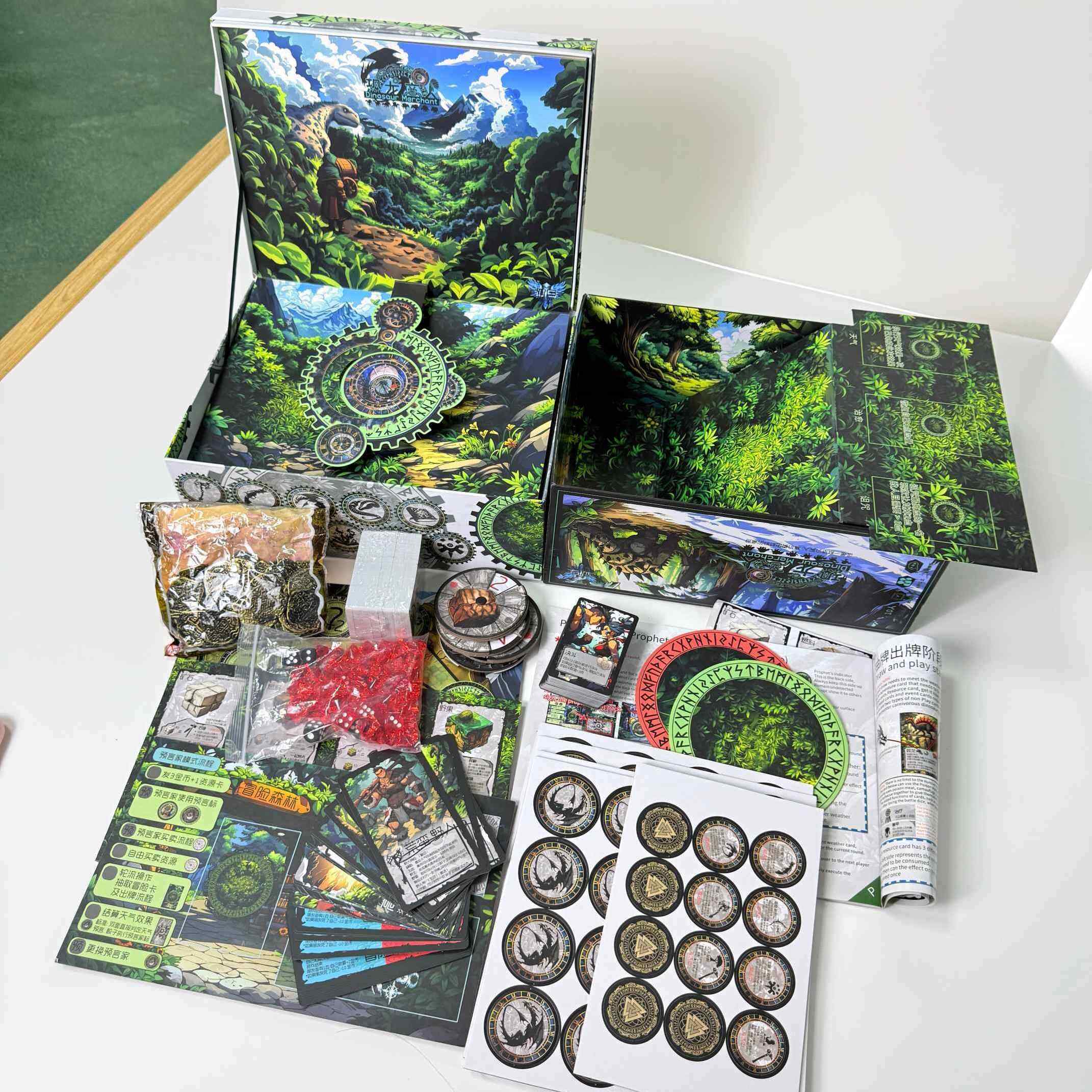
Contemporary manufacturing partnerships extend far beyond simple production arrangements, encompassing design consultation, material sourcing, quality assurance, and distribution coordination. These comprehensive relationships enable businesses to focus on marketing, brand development, and customer engagement while their manufacturing partner handles the technical complexities of product development and production. The strategic value of such partnerships becomes evident when examining the reduced time-to-market, consistent quality standards, and cost efficiencies that result from consolidated manufacturing relationships.
Market research indicates that businesses utilizing integrated manufacturing solutions experience significantly improved profit margins and operational efficiency compared to those managing multiple vendor relationships. This advantage stems from streamlined communication channels, coordinated production schedules, and the accumulated expertise that develops through long-term partnerships. The complexity of modern toy and game production requires specialized knowledge across multiple disciplines, making partner selection a critical business decision that impacts long-term success.
Comprehensive Design and Development Services
Creative Concept Integration
Professional toy and game manufacturer facilities employ experienced design teams capable of transforming initial concepts into market-ready products. These specialists understand consumer psychology, safety regulations, and manufacturing constraints that influence final product specifications. The collaborative design process typically begins with concept evaluation, where manufacturers assess feasibility, market potential, and production requirements to provide realistic development timelines and cost projections.
Design integration services encompass both aesthetic and functional elements, ensuring that creative vision aligns with practical manufacturing capabilities. This includes material selection, component sizing, assembly methodology, and packaging considerations that affect both production costs and consumer appeal. Experienced manufacturers maintain extensive databases of successful design elements, enabling them to recommend proven approaches while accommodating unique creative requirements that differentiate products in competitive markets.
The iterative design process allows for continuous refinement based on prototype testing, focus group feedback, and manufacturing optimization. This collaborative approach reduces development risks while maximizing the potential for commercial success through products that balance innovation with manufacturability and market appeal.
Prototype Development and Testing
Advanced prototyping capabilities enable rapid iteration and refinement of product concepts before committing to full-scale production investments. Modern toy and game manufacturer facilities utilize sophisticated prototyping technologies including 3D printing, computer-aided design software, and precision tooling to create functional prototypes that accurately represent final products. This capability allows for comprehensive testing of gameplay mechanics, durability, safety compliance, and manufacturing processes.
Prototype testing encompasses multiple evaluation criteria including structural integrity, component compatibility, user experience assessment, and regulatory compliance verification. Manufacturers coordinate with independent testing laboratories to ensure products meet or exceed industry safety standards while identifying potential design improvements that enhance performance or reduce production costs. The systematic approach to prototype evaluation minimizes risks associated with design flaws or compliance issues that could impact market launch timing or product liability.
Testing protocols extend beyond basic functionality to include accelerated aging tests, stress testing under extreme conditions, and usability studies that simulate real-world usage patterns. This comprehensive evaluation process provides confidence in product durability and performance while identifying opportunities for design optimization that improve manufacturability and reduce long-term production costs.
Streamlined Production and Quality Management
Advanced Manufacturing Technologies
Contemporary production facilities incorporate sophisticated manufacturing technologies that ensure consistent quality while maintaining competitive production costs. Automated production lines, precision injection molding equipment, and computer-controlled assembly systems enable high-volume production with minimal quality variation. These technological investments allow manufacturers to accommodate diverse product requirements while maintaining the flexibility necessary for custom orders and seasonal demand fluctuations.
Integration of quality management systems throughout the production process ensures that every component meets specified tolerances and performance requirements. Real-time monitoring systems track production metrics, identify potential quality issues before they impact finished products, and maintain detailed production records that support traceability and continuous improvement initiatives. This systematic approach to quality management reduces waste, minimizes rework costs, and ensures consistent product performance across production runs.
Modern toy and game manufacturer facilities also invest in flexible production capabilities that accommodate varying order sizes without compromising efficiency or quality standards. This scalability enables businesses to test market response with smaller initial orders while maintaining the option to increase production volumes based on demand without requiring new vendor relationships or production setup costs.
Comprehensive Quality Assurance Programs
Systematic quality assurance programs encompass every aspect of production from incoming material inspection through final product verification and packaging quality control. These programs typically include statistical process control methods, random sampling procedures, and comprehensive documentation systems that maintain detailed quality records for regulatory compliance and continuous improvement analysis. The multi-layered approach to quality assurance ensures that products consistently meet specifications while identifying opportunities for process optimization.
Quality management extends beyond basic inspection procedures to include supplier qualification programs, material certification requirements, and ongoing performance monitoring that ensures consistent input quality throughout the production process. This comprehensive approach to supply chain quality management reduces variability in finished products while maintaining cost competitiveness through strategic supplier partnerships and bulk purchasing agreements.
Documentation systems maintained by professional manufacturers provide complete traceability from raw materials through finished product delivery, supporting regulatory compliance requirements and enabling rapid response to quality issues should they arise. This systematic approach to quality documentation also supports continuous improvement initiatives by providing detailed performance data that identifies trends and opportunities for process optimization.
Integrated Supply Chain and Logistics Solutions
Strategic Sourcing and Material Management
Professional manufacturers maintain established relationships with qualified suppliers across multiple material categories, enabling cost-effective sourcing while ensuring consistent quality and reliable delivery schedules. These strategic partnerships allow manufacturers to negotiate favorable pricing terms, maintain adequate inventory levels, and access specialized materials that may not be readily available through standard distribution channels. The consolidated purchasing power of established manufacturers typically results in material cost advantages that benefit their clients through competitive pricing structures.
Material management systems track inventory levels, monitor supplier performance, and coordinate delivery schedules to minimize production delays while maintaining optimal inventory investments. Advanced planning systems integrate production schedules with material requirements planning, ensuring that necessary components are available when needed without excessive inventory carrying costs. This systematic approach to material management reduces working capital requirements while maintaining production flexibility necessary for responsive customer service.
Supplier qualification programs ensure that material sources meet quality standards, delivery performance requirements, and regulatory compliance obligations necessary for consistent production operations. Regular supplier audits, performance monitoring, and continuous improvement initiatives maintain high standards throughout the supply chain while identifying opportunities for cost reduction or performance enhancement.
Efficient Distribution and Fulfillment
Integrated distribution capabilities enable manufacturers to coordinate finished product delivery from production facilities directly to retail locations, distribution centers, or end customers based on specific business requirements. This consolidated approach to fulfillment reduces handling costs, minimizes shipping delays, and provides greater control over product condition during transit. Professional toy and game manufacturer facilities often maintain relationships with multiple shipping providers, enabling optimal carrier selection based on delivery requirements, cost considerations, and service level needs.
Warehouse management systems coordinate inventory storage, order processing, and shipment preparation to ensure accurate and timely order fulfillment while maintaining detailed records of product movement throughout the distribution process. These systems support multiple fulfillment models including drop-shipping arrangements, consolidated shipments, and just-in-time delivery programs that align with diverse customer requirements and business models.
International shipping capabilities enable access to global markets through established relationships with freight forwarders, customs brokers, and international carriers. This comprehensive approach to international distribution includes documentation preparation, regulatory compliance verification, and coordination with local distribution partners in target markets, simplifying market expansion while ensuring compliance with applicable regulations and trade requirements.
Cost Optimization and Financial Benefits
Economies of Scale and Operational Efficiency
Partnering with an established toy and game manufacturer provides immediate access to economies of scale that would be difficult or impossible to achieve through independent production arrangements. These cost advantages result from consolidated purchasing power, optimized production processes, and shared infrastructure investments that reduce per-unit production costs while maintaining quality standards. The financial benefits extend beyond direct production costs to include reduced overhead expenses, eliminated capital equipment investments, and minimized working capital requirements.
Operational efficiency improvements result from specialized expertise, optimized workflows, and continuous improvement initiatives that professional manufacturers implement across their operations. These efficiency gains translate directly into cost reductions, shorter production lead times, and improved product quality that enhances market competitiveness while reducing total cost of ownership for finished products.
Shared infrastructure costs including facility expenses, equipment maintenance, regulatory compliance, and technical support are distributed across multiple client relationships, resulting in significant cost advantages compared to independent production operations. This cost structure enables competitive pricing while maintaining profit margins that support business growth and market expansion initiatives.
Risk Management and Financial Predictability
Established manufacturing partnerships provide financial predictability through transparent pricing structures, defined production schedules, and clear contractual terms that minimize unexpected costs or delivery delays. This predictability enables accurate financial planning, inventory management, and cash flow forecasting that supports business stability and growth planning. Professional manufacturers typically offer flexible payment terms and production scheduling options that accommodate seasonal demand patterns and business cycle variations.
Risk management benefits include reduced exposure to production equipment failures, supply chain disruptions, and regulatory compliance issues that could impact business operations or financial performance. Manufacturers maintain contingency plans, backup supplier relationships, and redundant production capabilities that ensure business continuity even during unexpected operational challenges or market disruptions.
Insurance coverage and liability protection provided by professional manufacturers reduces business risk exposure while ensuring compliance with industry safety standards and regulatory requirements. This comprehensive approach to risk management protects business interests while enabling focus on core competencies including marketing, sales, and customer relationship development.
Innovation and Market Responsiveness
Technology Integration and Product Development
Leading toy and game manufacturer facilities invest continuously in emerging technologies, production methodologies, and design capabilities that enable innovative product development and manufacturing approaches. These investments include advanced materials research, automated production technologies, and digital integration capabilities that support modern product requirements including electronic components, smart features, and interactive elements that enhance user engagement and market appeal.
Research and development capabilities maintained by professional manufacturers provide access to technical expertise, testing facilities, and development resources that would be prohibitively expensive for individual businesses to maintain independently. This shared access to advanced capabilities enables innovative product development while distributing development costs across multiple client relationships, making advanced features and technologies accessible to businesses of varying sizes.
Collaborative innovation programs encourage knowledge sharing, joint development projects, and technology transfer initiatives that benefit all participants while advancing industry capabilities and standards. These partnerships often result in breakthrough products, improved manufacturing processes, and enhanced competitive positioning for all involved parties.
Market Trend Analysis and Adaptation
Professional manufacturers maintain comprehensive market intelligence capabilities including trend analysis, consumer research, and competitive monitoring that inform product development strategies and manufacturing decisions. This market insight enables proactive adaptation to changing consumer preferences, regulatory requirements, and competitive dynamics that could impact product success or market positioning.
Rapid response capabilities enable manufacturers to adjust production schedules, modify product specifications, and introduce new features or variations based on market feedback or emerging opportunities. This agility provides significant competitive advantages by enabling faster time-to-market for new products and rapid adaptation to changing market conditions or consumer preferences.
Collaborative planning processes integrate manufacturer capabilities with client market knowledge to develop comprehensive strategies that maximize market opportunities while optimizing production efficiency and cost effectiveness. This strategic alignment ensures that manufacturing capabilities support business objectives while maintaining flexibility necessary for responsive market positioning.
FAQ
What services should I expect from a comprehensive toy and game manufacturer
A comprehensive toy and game manufacturer should provide end-to-end services including design consultation, prototype development, quality testing, full-scale production, and distribution coordination. Additional services typically include material sourcing, regulatory compliance verification, packaging design, and ongoing technical support throughout the product lifecycle. The most valuable partnerships also offer market insight, trend analysis, and strategic planning assistance that supports long-term business success and market positioning.
How do manufacturing partnerships reduce overall business costs
Manufacturing partnerships reduce costs through economies of scale, shared infrastructure expenses, and eliminated capital equipment investments. Partners benefit from consolidated purchasing power for materials, optimized production processes, and reduced overhead expenses compared to independent operations. Additional cost savings result from eliminated setup costs for new products, reduced inventory requirements, and access to specialized expertise without maintaining in-house technical staff.
What quality assurance measures ensure consistent product standards
Professional manufacturers implement multi-layered quality assurance programs including incoming material inspection, in-process monitoring, and final product verification procedures. These programs utilize statistical process control methods, random sampling protocols, and comprehensive documentation systems that maintain detailed quality records. Regular supplier audits, performance monitoring, and continuous improvement initiatives ensure consistent quality throughout the supply chain while supporting regulatory compliance requirements.
How quickly can established manufacturers respond to market changes or new product requirements
Established toy and game manufacturer facilities typically maintain flexible production capabilities that enable rapid response to market changes or new product requirements. Response times vary based on product complexity and current production schedules, but professional manufacturers often accommodate rush orders or design modifications within weeks rather than months. Their existing infrastructure, supplier relationships, and technical expertise enable faster development cycles and reduced time-to-market compared to establishing new manufacturing relationships.
Table of Contents
- Comprehensive Design and Development Services
- Streamlined Production and Quality Management
- Integrated Supply Chain and Logistics Solutions
- Cost Optimization and Financial Benefits
- Innovation and Market Responsiveness
-
FAQ
- What services should I expect from a comprehensive toy and game manufacturer
- How do manufacturing partnerships reduce overall business costs
- What quality assurance measures ensure consistent product standards
- How quickly can established manufacturers respond to market changes or new product requirements