
 EN
EN



Selecting the right toy and game manufacturer is one of the most critical decisions independent creators and inventors face. A poor choice can result in quality issues, missed deadlines, cost overruns, and ultimately, a damaged brand reputation. The process of vetting a toy and game manufacturer requires systematic evaluation across multiple dimensions: production capability, quality standards, financial stability, communication practices, and alignment with your specific project requirements. This guide walks you through the essential steps to identify and partner with a toy and game manufacturer that truly matches your vision and business needs.
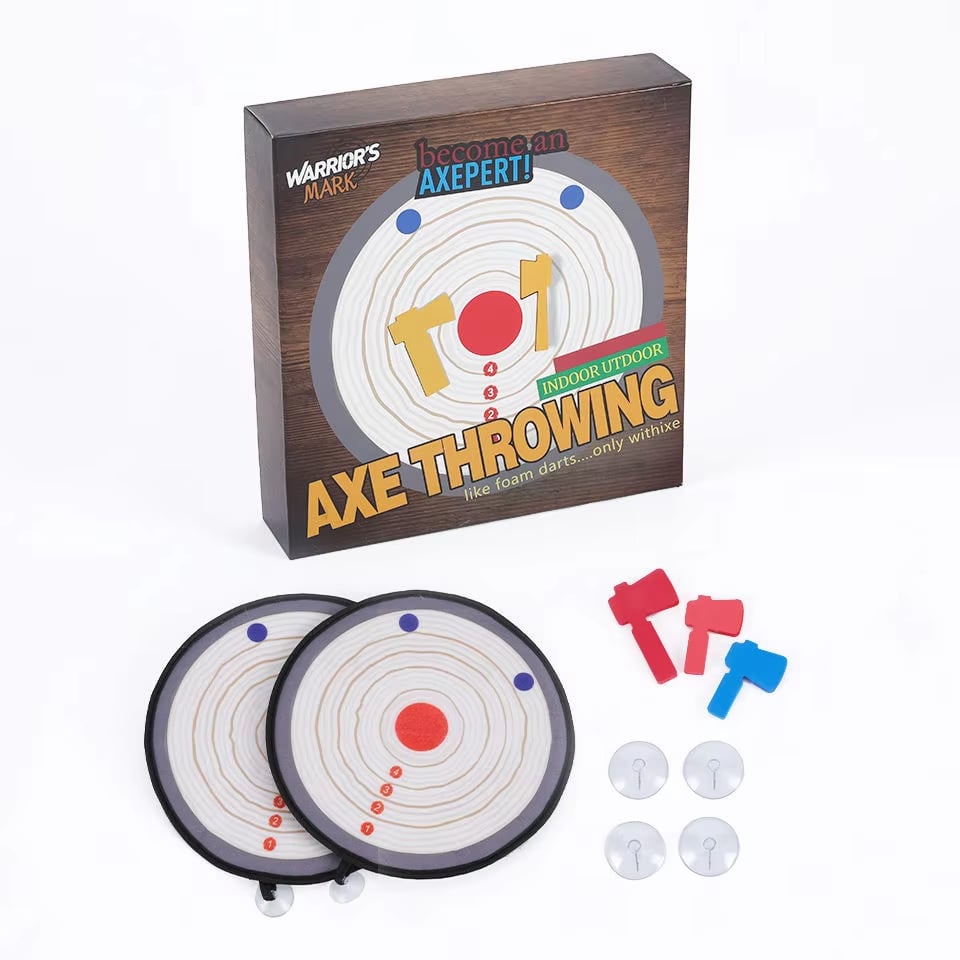
Before committing to any toy and game manufacturer, you must understand that this partnership will directly influence your product quality, time-to-market, and profitability. A reputable toy and game manufacturer brings expertise in material selection, compliance with safety regulations, production efficiency, and cost optimization. Conversely, working with an unreliable toy and game manufacturer can expose you to product recalls, regulatory violations, and financial loss. The vetting process separates serious, capable toy and game manufacturer partners from those that overpromise and underdeliver.
Evaluating Production Capacity and Capability
Understanding Your Manufacturer's Production Scale
The first step in vetting a toy and game manufacturer is confirming their production capacity aligns with your requirements. Every toy and game manufacturer operates with constraints: minimum order quantities, equipment limitations, production timelines, and specialization areas. Some toy and game manufacturer operations excel at custom board games, while others focus on plastic molded toys or card games. Ask the toy and game manufacturer directly about their current capacity utilization, lead times for your order size, and whether they have handled similar projects before. Request documentation of past projects, production schedules, and the number of production lines they operate.
Verifying Technical Expertise and Equipment
A credible toy and game manufacturer must possess appropriate equipment and technical expertise for your specific product type. If your design requires custom plastic injection molding, the toy and game manufacturer needs modern molding equipment and skilled technicians. If you're producing board games, the toy and game manufacturer should have printing presses, die-cutting machinery, and assembly capabilities. Visit the facility if possible, or request detailed factory tours via video. Ask the toy and game manufacturer about their equipment maintenance schedules, machinery certifications, and technology upgrades. A well-maintained toy and game manufacturer facility demonstrates professional operations and reduces the risk of production delays.
Assessing Quality Standards and Compliance
Quality Management System Certifications
Reputable toy and game manufacturer operations maintain formal quality management systems. Look for ISO 9001 certification, which indicates the toy and game manufacturer follows documented quality procedures. Additionally, verify that the toy and game manufacturer complies with relevant safety standards for toys, including ASTM F963, EN 71, and CPSIA regulations. A serious toy and game manufacturer will have quality control protocols in place, including material testing, dimensional verification, and final product inspection. Ask to review their quality documentation, testing reports, and any third-party audits. The toy and game manufacturer should be transparent about defect rates, rework procedures, and their approach to continuous improvement.
Safety Testing and Regulatory Knowledge
Toy safety is non-negotiable, and your toy and game manufacturer must understand regulatory requirements. Request that the toy and game manufacturer explain their knowledge of lead-free materials, phthalate restrictions, and age-appropriate labeling requirements. A knowledgeable toy and game manufacturer will proactively identify potential compliance issues with your design before production begins. Verify that the toy and game manufacturer has relationships with accredited testing laboratories and can provide certificates of compliance. Ask the toy and game manufacturer whether they have experience with your target market's specific regulations, such as European Union toy directives or North American standards. The toy and game manufacturer should shoulder responsibility for compliance, not pass it entirely to you.
Evaluating Communication and Partnership Fit
Responsiveness and Communication Protocols
Effective communication with your toy and game manufacturer can prevent costly misunderstandings. During your vetting process, assess how quickly the toy and game manufacturer responds to initial inquiries and how thoroughly they answer questions. A reliable toy and game manufacturer assigns a dedicated project manager who understands your needs and serves as your primary contact. Establish clear communication channels and response time expectations with the toy and game manufacturer before signing agreements. Ask the toy and game manufacturer about their handling of design changes, production issues, and customer inquiries. Poor communication from the toy and game manufacturer during the vetting phase often signals problems ahead.
References and Track Record
Request at least three references from the toy and game manufacturer, preferably from indie creators or small manufacturers similar to your profile. Contact these references directly and ask about their experience with the toy and game manufacturer regarding quality, timeliness, communication, and problem-solving. A reputable toy and game manufacturer will provide willing references and may share case studies or portfolios. Ask the toy and game manufacturer about their client retention rate and whether they maintain long-term relationships with creators. Red flags include a toy and game manufacturer unwilling to share references, vague answers about past projects, or visible gaps between their portfolio quality and your desired output. Strong references significantly reduce vetting risk.
Financial and Legal Considerations
Pricing Transparency and Terms
The toy and game manufacturer must provide detailed pricing that includes material costs, labor, overhead, profit margin, and any additional fees. Request itemized quotations from the toy and game manufacturer so you understand what you're paying for at each production stage. A trustworthy toy and game manufacturer clearly distinguishes between unit costs, setup fees, and shipping expenses. Verify that the toy and game manufacturer's pricing is competitive by comparing with at least two other options, but be cautious of unusually low bids that suggest corners will be cut. Negotiate payment terms with the toy and game manufacturer, such as deposit-on-order, progress payments, and payment-on-delivery milestones. The toy and game manufacturer should offer transparent invoicing and be willing to discuss cost optimization strategies without compromising quality.
Contracts and Risk Management
Before committing to a toy and game manufacturer, ensure you have a written agreement that specifies deliverables, quality standards, timelines, and dispute resolution processes. The toy and game manufacturer's contract should clearly define what constitutes acceptable quality, acceptable defect rates, and your recourse for non-conforming products. Include provisions requiring the toy and game manufacturer to carry liability insurance and provide intellectual property protection for your designs. Specify what happens if the toy and game manufacturer misses deadlines or produces substandard goods. A professional toy and game manufacturer will welcome detailed contracts and understand your need for legal protection. Vague or overly simplistic agreements with the toy and game manufacturer leave you exposed to disputes and losses.
FAQ
What questions should I ask a toy and game manufacturer before partnering?
Ask the toy and game manufacturer about their production capacity, lead times, minimum order quantities, quality certifications, compliance knowledge, equipment specifications, client references, communication protocols, pricing structure, and experience with similar products. Inquire about their approach to design modifications, quality control procedures, and how they handle problems. Request specific documentation such as ISO certifications, safety test certificates, facility photos, and past project portfolios. A thorough toy and game manufacturer will welcome detailed questions and provide comprehensive answers.
How do I verify that a toy and game manufacturer meets safety standards?
Request that the toy and game manufacturer provide evidence of ISO 9001 certification, familiarity with ASTM F963 and CPSIA standards, and relationships with accredited testing laboratories. Ask the toy and game manufacturer if they have previously produced toys that required compliance testing and can show certificates. Verify whether the toy and game manufacturer understands material restrictions, such as lead-free and phthalate-free requirements. A credible toy and game manufacturer will outline their compliance procedures and demonstrate knowledge of your target market's specific regulations without requiring you to manage everything independently.
What red flags should I watch for when vetting a toy and game manufacturer?
Be cautious of a toy and game manufacturer unwilling to provide references, unwilling to discuss quality control procedures, or offering pricing significantly below competitors. Watch for poor communication responses, vague answers about equipment and capability, or resistance to written contracts. Avoid a toy and game manufacturer that downplays safety compliance or claims they don't need certifications. If the toy and game manufacturer cannot articulate their quality processes, struggles with detailed questions, or pressures you to decide quickly, these are signals that the toy and game manufacturer may lack professionalism or reliability.