
 EN
EN


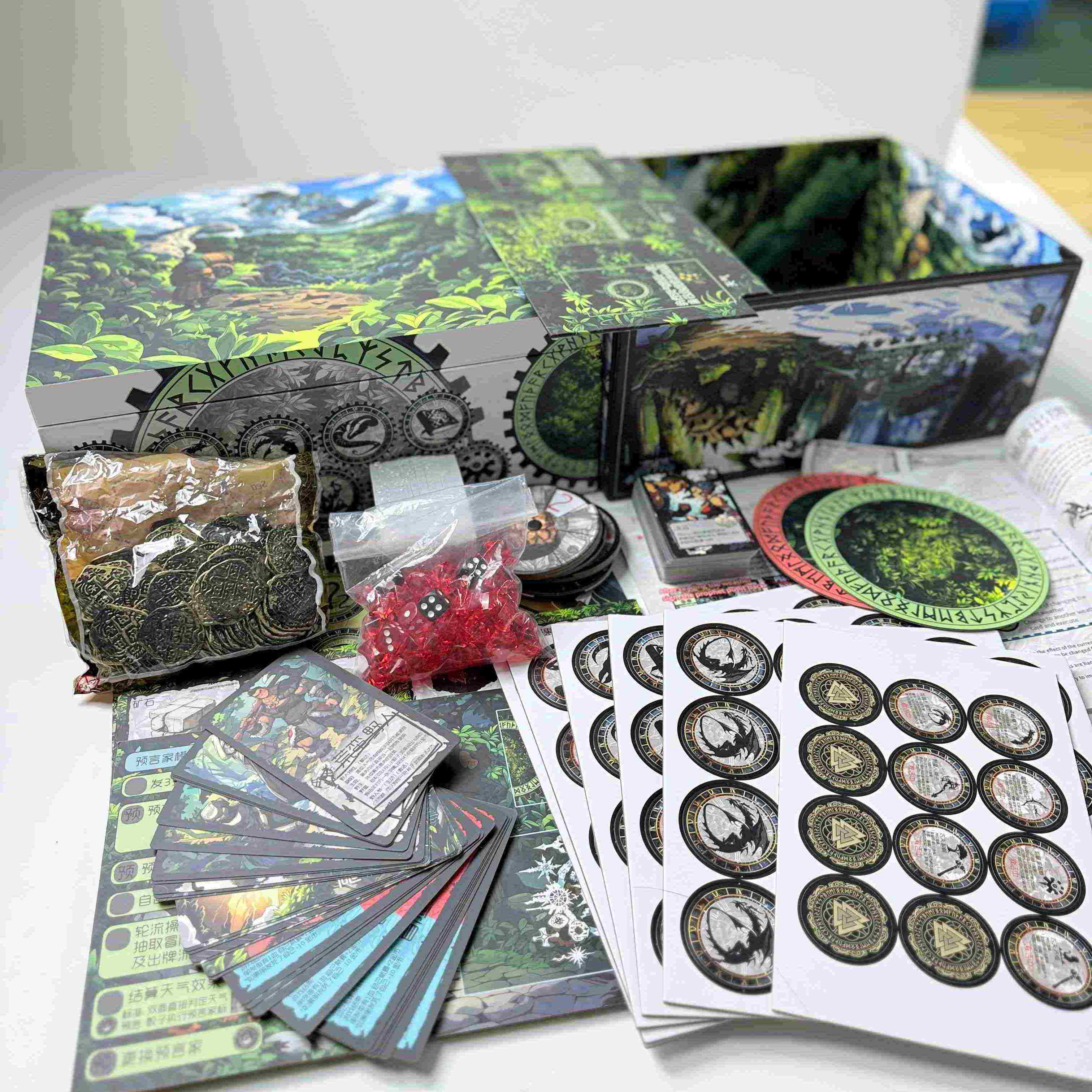
The gaming industry has experienced unprecedented growth over the past decade, with tabletop games, card games, and educational games leading the charge in bringing families and communities together. Behind every successful game lies the expertise of professional game manufacturers who transform creative concepts into polished, market-ready products. These specialized partners possess the technical knowledge, production capabilities, and industry experience necessary to navigate the complex process of game development and manufacturing.
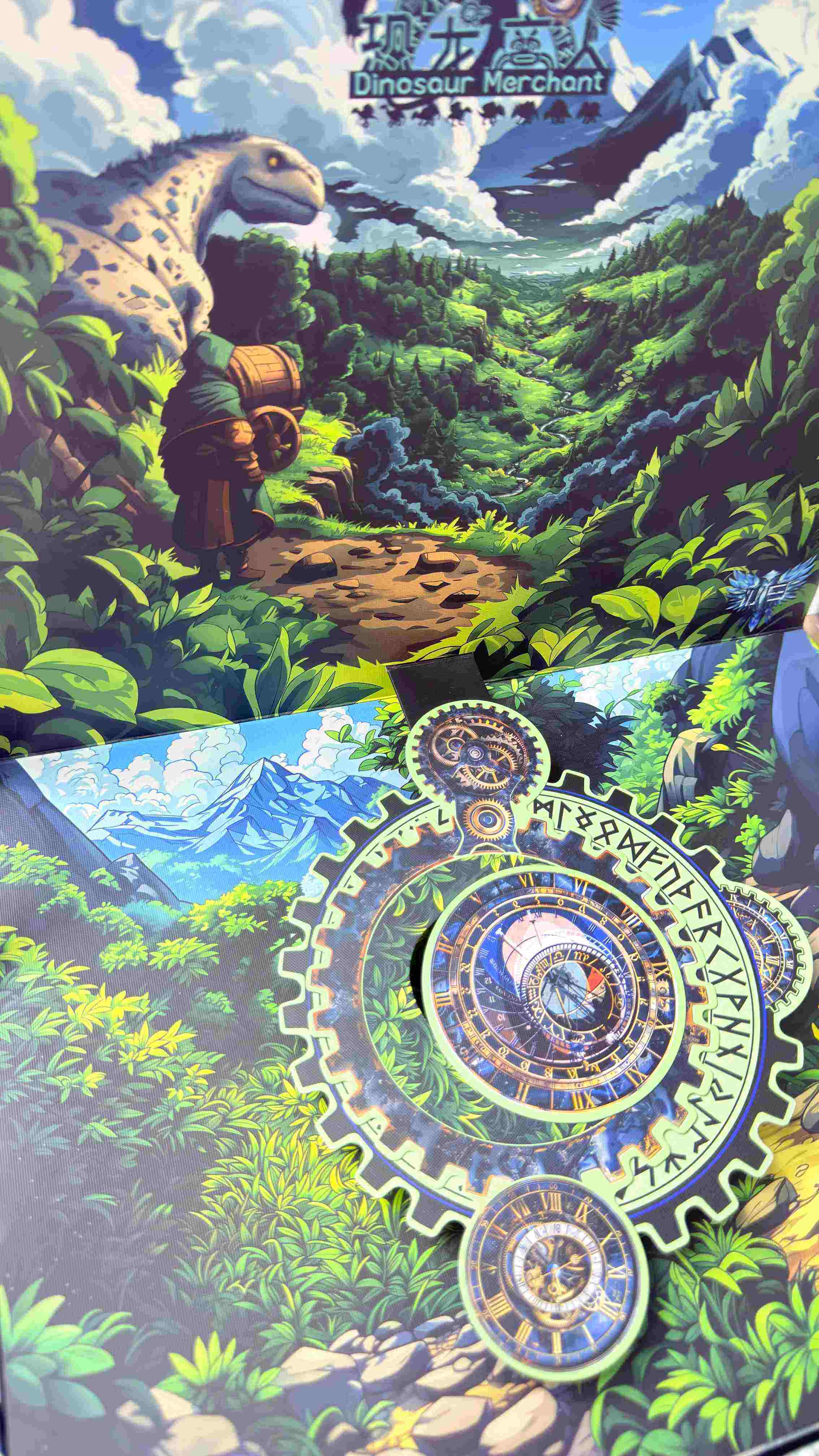
Understanding the role of game manufacturers becomes crucial for inventors, publishers, and businesses looking to enter the gaming market. These manufacturing partners offer comprehensive solutions that extend far beyond simple production, encompassing design optimization, material selection, quality control, and logistical support. The relationship between game creators and manufacturers forms the foundation of successful product launches that resonate with target audiences and achieve commercial success.
Modern game manufacturers have evolved to meet the diverse needs of an expanding market, offering specialized services for different game categories and target demographics. From complex strategy games requiring precision-engineered components to simple educational games designed for young learners, these manufacturing partners adapt their processes and capabilities to deliver products that meet specific market requirements and quality standards.
Understanding the Game Manufacturing Landscape
Types of Games Produced by Professional Manufacturers
Professional game manufacturers specialize in producing a wide variety of gaming products, each requiring unique manufacturing approaches and expertise. Tabletop games represent one of the largest categories, encompassing everything from classic board games to modern strategy games with intricate components. These games often require specialized manufacturing techniques to produce game boards, playing pieces, dice, cards, and packaging that can withstand repeated use while maintaining visual appeal.
Card games present their own manufacturing challenges, requiring precise printing techniques, specialized paper stocks, and finishing processes that ensure durability and consistent shuffle feel. Educational games form another significant category, with manufacturers focusing on child-safe materials, engaging designs, and components that support learning objectives while remaining fun and interactive. The diversity of game types means that experienced game manufacturers must maintain expertise across multiple production processes and material types.
Party games, family games, and collectible card games each require different manufacturing approaches, with considerations for component quality, packaging design, and production volumes varying significantly between categories. Understanding these distinctions helps game creators select the right manufacturing partners who possess the specific expertise needed for their particular game type and target market.
Manufacturing Capabilities and Technologies
Modern game manufacturers employ advanced technologies and processes to produce high-quality gaming products efficiently and cost-effectively. Digital printing capabilities allow for short-run productions and rapid prototyping, enabling game creators to test market response before committing to large production volumes. Injection molding technologies produce durable plastic components with consistent quality and precise dimensions, essential for games requiring specific piece interactions.
Die-cutting equipment ensures precise shaping of cardboard components, tokens, and game boards, while specialized finishing equipment applies protective coatings and textures that enhance both durability and tactile experience. Quality control systems integrated throughout the production process monitor dimensional accuracy, color consistency, and material properties to ensure every component meets established standards.
Advanced game manufacturers also invest in packaging automation and fulfillment capabilities, providing end-to-end solutions that streamline the path from manufacturing to market. These technological capabilities enable manufacturers to offer competitive pricing while maintaining the quality standards that game publishers and retailers demand in today's competitive marketplace.
Benefits of Partnering with Professional Game Manufacturers
Design Optimization and Technical Expertise
Professional game manufacturers bring valuable design optimization expertise to every project, helping game creators refine their concepts for efficient production and enhanced player experience. This optimization process involves analyzing component interactions, material selections, and manufacturing processes to identify opportunities for improvement in both functionality and cost-effectiveness. Experienced manufacturers understand how design decisions impact production complexity, material usage, and final product quality.
Technical expertise extends to material science knowledge, helping game creators select appropriate materials for different components based on durability requirements, safety standards, and budget constraints. Manufacturers provide guidance on component tolerances, color matching, and finishing options that enhance the final product while remaining within production capabilities and cost parameters.
Design for manufacturability principles applied by experienced game manufacturers often result in products that are easier to produce, more cost-effective to manufacture, and better suited for their intended use. This collaborative approach between creators and manufacturers frequently leads to innovative solutions that improve gameplay while optimizing production efficiency.
Quality Control and Compliance Standards
Professional game manufacturers implement comprehensive quality control systems that ensure consistent product quality and compliance with relevant safety standards. These systems encompass incoming material inspection, in-process quality monitoring, and final product testing to verify that every component meets established specifications and performance requirements. Quality control protocols are particularly critical for educational games and products intended for children, where safety standards are stringent and non-negotiable.
Compliance expertise provided by experienced manufacturers covers international safety standards, including CPSIA requirements for children's products, CE marking for European markets, and various other regional regulations that govern game products. This knowledge protects game creators from potential liability issues while ensuring their products can be sold in target markets without regulatory complications.
Documentation and traceability systems maintained by professional manufacturers provide the records necessary for compliance verification and quality assurance. These systems support product recalls if necessary and demonstrate due diligence in quality management to retailers, distributors, and regulatory authorities.
Specialized Services Offered by Leading Game Manufacturers
Custom Component Development
Leading game manufacturers offer custom component development services that transform unique game concepts into tangible, functional elements. This process begins with concept evaluation and feasibility analysis, where manufacturers assess the technical requirements and production challenges associated with custom components. Engineering teams work closely with game creators to develop specifications that balance creative vision with manufacturing realities.
Prototyping services allow game creators to test custom components before committing to full production, enabling refinement of designs based on actual gameplay testing and user feedback. Advanced manufacturers utilize rapid prototyping technologies including 3D printing, CNC machining, and sample injection molding to produce functional prototypes that accurately represent final products.
Custom tooling development represents a significant investment that professional game manufacturers manage efficiently, spreading tooling costs across production volumes and providing guidance on design modifications that can reduce tooling complexity and costs. This expertise ensures that custom components remain financially viable while meeting the functional requirements of the game design.
Packaging Design and Production
Comprehensive packaging services provided by professional game manufacturers extend beyond simple box production to encompass storage solutions, component organization, and brand presentation. Packaging design impacts both production costs and consumer appeal, making expert guidance valuable for optimizing these competing priorities. Manufacturers collaborate with game creators to develop packaging solutions that protect components during shipping while creating attractive retail presentations.
Structural packaging engineering ensures that components fit securely within packages, preventing damage during transportation and storage while facilitating easy setup and cleanup for players. Insert design and production create organized storage solutions that enhance user experience and contribute to component longevity by preventing wear from loose storage.
Graphic design support and printing services create cohesive visual presentations that extend game branding across all packaging elements. Professional manufacturers understand how packaging design influences retail positioning and consumer perception, providing guidance that supports marketing objectives while remaining within production budgets.
Market Trends Shaping Game Manufacturing
Sustainability and Environmental Considerations
Environmental consciousness increasingly influences game manufacturing decisions, with both manufacturers and game creators seeking sustainable materials and production processes. Modern game manufacturers invest in eco-friendly alternatives including recycled cardboard, sustainable forestry products, and biodegradable packaging materials. These initiatives respond to consumer demand for environmentally responsible products while supporting corporate sustainability goals.
Production process optimization reduces waste generation and energy consumption, with manufacturers implementing lean manufacturing principles that minimize environmental impact while improving efficiency. Sustainable practices often align with cost reduction objectives, creating win-win scenarios for manufacturers and their clients.
Certification programs and environmental standards provide frameworks for measuring and communicating sustainability efforts, helping game manufacturers differentiate their services while supporting their clients' marketing and branding initiatives. These programs often result in operational improvements that benefit all stakeholders involved in the game production process.
Technology Integration and Digital Enhancement
Technology integration represents a growing trend in game manufacturing, with products increasingly incorporating digital elements that enhance traditional gameplay experiences. Manufacturers adapt their capabilities to produce games that combine physical components with mobile applications, augmented reality features, and interactive digital content. This trend requires manufacturing partners who understand both traditional production methods and emerging technology integration requirements.
Smart manufacturing technologies improve production efficiency and quality control while providing better visibility into production schedules and costs. These technologies enable more accurate project planning and improved communication between manufacturers and their clients throughout the production process.
Digital marketing support and e-commerce integration services help game manufacturers support their clients' direct-to-consumer sales strategies, providing fulfillment services and inventory management that extend beyond traditional wholesale manufacturing relationships. This evolution reflects changing market dynamics and consumer purchasing preferences in the gaming industry.
Selecting the Right Manufacturing Partner
Evaluation Criteria for Game Manufacturers
Selecting appropriate game manufacturers requires careful evaluation of multiple factors that impact both product quality and business success. Production capabilities must align with specific game requirements, including component types, materials, printing processes, and assembly needs. Manufacturers should demonstrate experience with similar products and the ability to scale production volumes according to market demand projections.
Quality systems and certifications provide insight into manufacturing reliability and compliance capabilities. ISO certifications, safety standard compliance, and quality management systems indicate professional operations that can consistently deliver products meeting established specifications. Reference checks and facility visits offer additional verification of manufacturing capabilities and operational standards.
Communication capabilities and project management systems facilitate smooth collaboration throughout the production process. Effective manufacturers provide regular updates, respond promptly to questions, and maintain transparent communication about schedules, costs, and potential issues that may arise during production.
Cost Considerations and Value Optimization
Cost analysis for game manufacturing encompasses multiple factors beyond unit pricing, including tooling costs, minimum order quantities, packaging expenses, and shipping considerations. Professional game manufacturers provide comprehensive cost breakdowns that enable accurate financial planning and pricing decisions for finished products. Understanding these cost components helps game creators optimize their designs and production specifications for target retail price points.
Value engineering services offered by experienced manufacturers identify opportunities to reduce costs without compromising quality or functionality. These services might include material substitutions, design modifications, or production process optimization that improve economics while maintaining product integrity. Long-term partnerships with manufacturers often result in better pricing and priority scheduling as relationships develop.
Payment terms, production scheduling flexibility, and inventory management services contribute to overall value propositions beyond manufacturing costs. These factors impact cash flow management and market responsiveness, important considerations for game publishers operating in competitive markets with seasonal demand patterns.
FAQ
What minimum order quantities do game manufacturers typically require
Most professional game manufacturers establish minimum order quantities based on production efficiency and setup costs, typically ranging from 500 to 5,000 units depending on game complexity and component requirements. Simple card games often have lower minimums due to streamlined production processes, while complex board games with multiple custom components may require higher minimum orders to justify tooling and setup costs. Many manufacturers offer prototype and small-batch services for initial market testing before committing to full production volumes.
How long does the typical game manufacturing process take from design to delivery
Game manufacturing timelines vary significantly based on product complexity, customization requirements, and production volumes, typically ranging from 6 to 16 weeks for standard products. Simple games with existing tooling and minimal customization may be completed in 6-8 weeks, while complex games requiring custom components, new tooling, or specialized materials may require 12-16 weeks or longer. Manufacturers provide detailed project schedules during the quotation process, with timeline accuracy depending on design finalization and approval processes.
What quality control measures should I expect from professional game manufacturers
Professional game manufacturers implement multi-stage quality control processes including incoming material inspection, in-process monitoring, and final product testing to ensure consistent quality standards. These processes typically include dimensional verification, color matching, print quality assessment, and component functionality testing. Many manufacturers provide quality reports and sample approvals throughout production, with final inspection reports documenting compliance with specifications and safety standards before shipment approval.
Can game manufacturers help with design optimization to reduce production costs
Experienced game manufacturers offer valuable design optimization services that can significantly reduce production costs while maintaining or improving product quality and functionality. These services include material selection guidance, component consolidation recommendations, packaging optimization, and manufacturing process improvements. Design for manufacturability consultations help identify cost-saving opportunities early in the development process, often resulting in 15-30% cost reductions compared to initial designs while preserving essential game features and player experience.
Table of Contents
- Understanding the Game Manufacturing Landscape
- Benefits of Partnering with Professional Game Manufacturers
- Specialized Services Offered by Leading Game Manufacturers
- Market Trends Shaping Game Manufacturing
- Selecting the Right Manufacturing Partner
-
FAQ
- What minimum order quantities do game manufacturers typically require
- How long does the typical game manufacturing process take from design to delivery
- What quality control measures should I expect from professional game manufacturers
- Can game manufacturers help with design optimization to reduce production costs