
 EN
EN



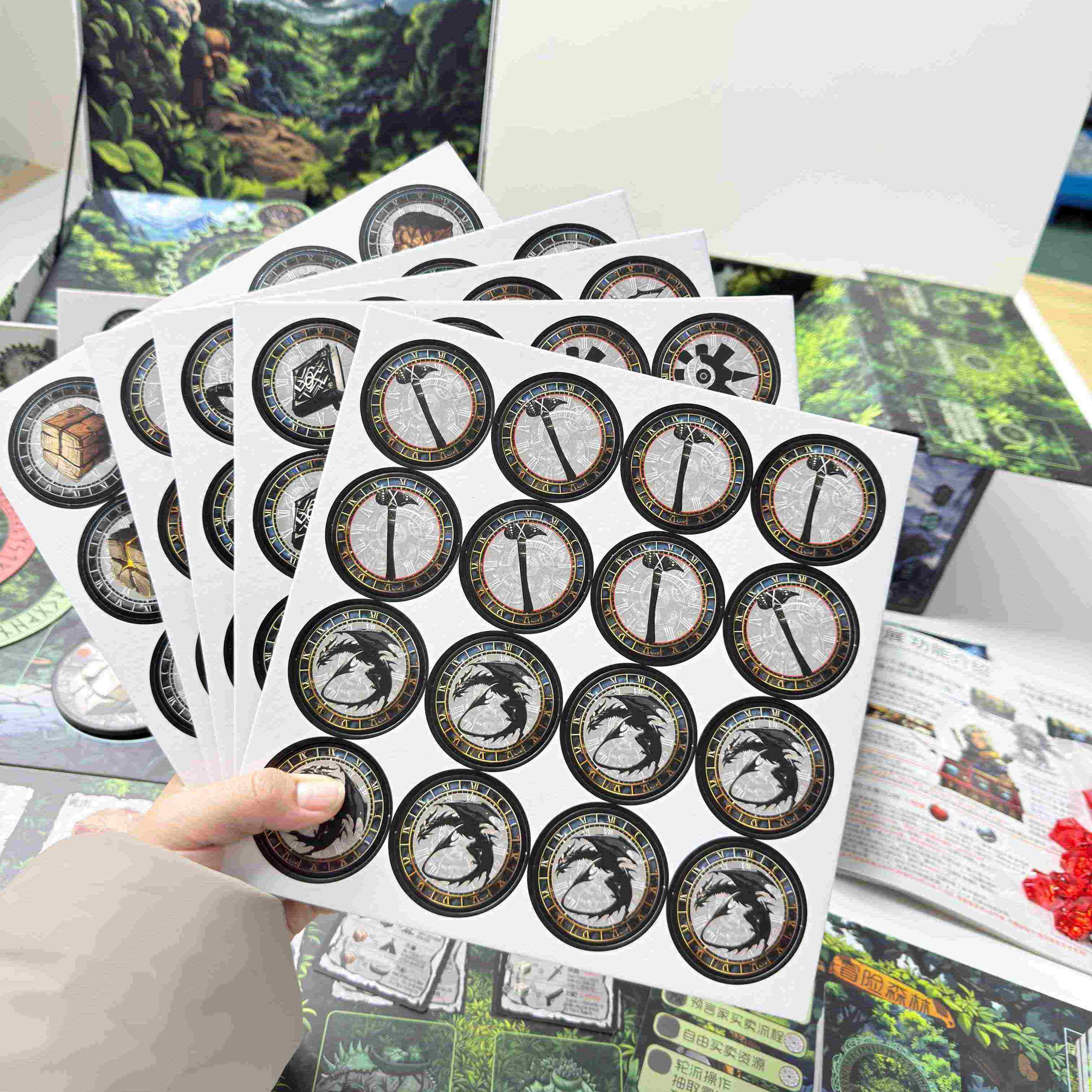
The board game manufacturing industry has experienced unprecedented growth in recent years, with independent designers and established publishers alike seeking to bring their creative visions to life. However, navigating the complex landscape of board game manufacturing presents numerous challenges that can derail even the most promising projects. Understanding these common pitfalls and implementing strategic solutions is essential for anyone entering this competitive market. From material selection errors to production timeline miscalculations, the manufacturing process demands careful attention to detail and comprehensive planning to ensure successful outcomes.
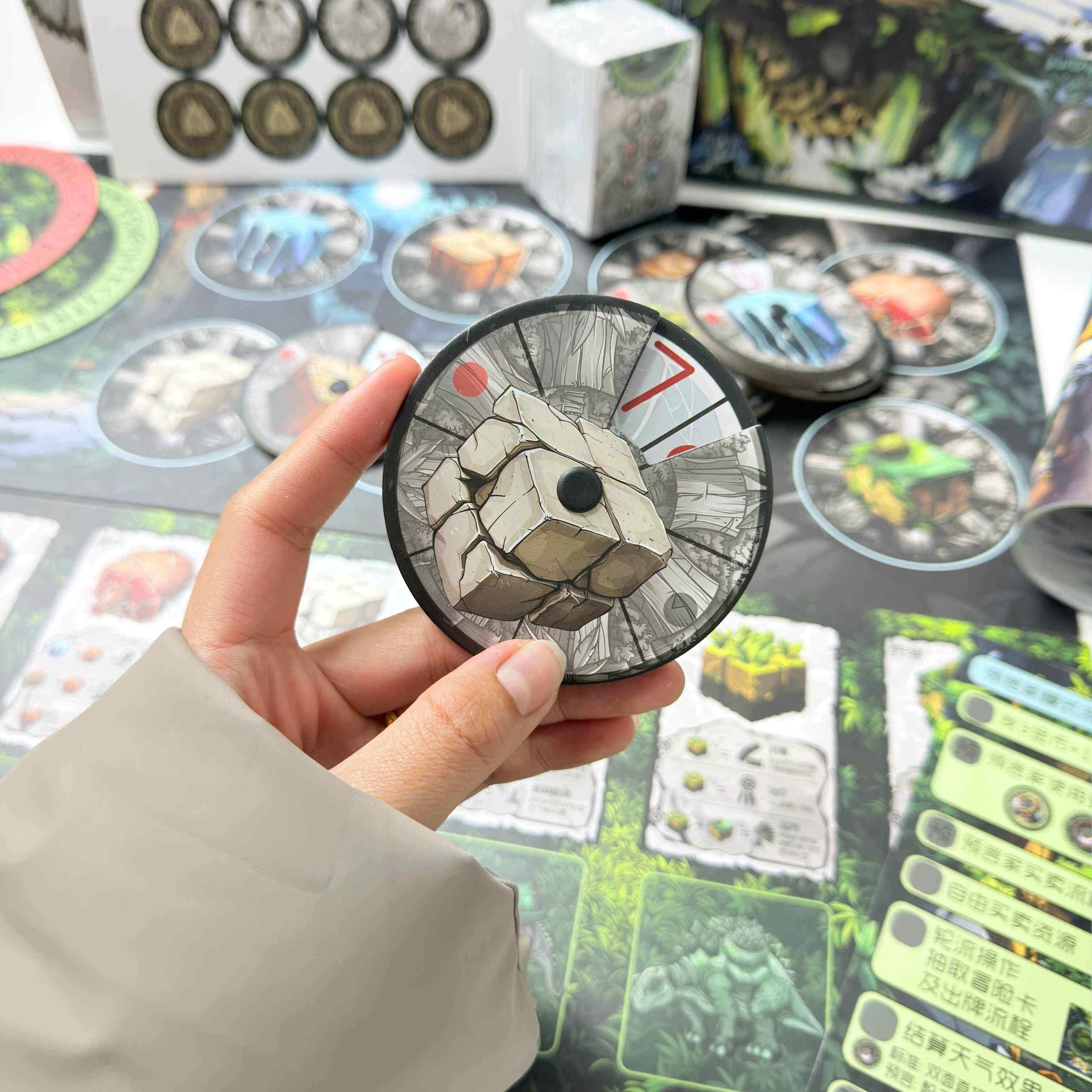
Many first-time game creators underestimate the complexity involved in transforming a prototype into a market-ready product. The transition from concept to manufacturing requires extensive knowledge of materials, production processes, quality control measures, and supply chain management. Without proper preparation and understanding of potential obstacles, projects can face significant delays, budget overruns, and quality compromises that ultimately impact the final product's success in the marketplace.
Material Selection and Quality Control Issues
Choosing Inappropriate Card Stock and Paper Materials
One of the most frequent mistakes in board game manufacturing involves selecting inadequate materials for cards and game boards. Many designers focus primarily on cost reduction without considering the long-term durability and user experience implications. Standard office paper or thin cardstock may seem economical initially, but these materials quickly show wear, become damaged during gameplay, and create a poor impression among consumers who expect professional-quality components.
Professional board game manufacturing requires specific paper weights and finishes designed to withstand repeated handling. Game cards typically need 300-350 GSM cardstock with appropriate coatings to prevent curling and provide smooth shuffling characteristics. The manufacturing process should include thorough testing of different material options to ensure optimal performance across various environmental conditions and usage patterns.
Overlooking Component Durability Requirements
Beyond paper components, board game manufacturing must address the durability requirements of various game pieces, tokens, and accessories. Plastic components require careful consideration of material grades, with food-safe plastics often necessary for pieces that might come into contact with players' mouths. Metal components need appropriate treatments to prevent corrosion and maintain their appearance over time.
The manufacturing quality control process should include stress testing for all components, simulating extended gameplay scenarios to identify potential failure points. This proactive approach in board game manufacturing helps prevent customer complaints and returns while building brand reputation for quality products. Manufacturers must establish clear specifications for all materials and implement rigorous inspection procedures throughout the production process.
Production Timeline and Scheduling Challenges
Underestimating Manufacturing Lead Times
A critical error in board game manufacturing involves unrealistic timeline expectations, particularly regarding overseas production facilities. Many project creators fail to account for the complete production cycle, which includes tooling creation, sample production, revisions, full production runs, quality inspections, and shipping logistics. These combined processes can extend manufacturing timelines significantly beyond initial estimates.
Successful board game manufacturing requires building substantial buffer time into project schedules, especially when coordinating with international suppliers. Seasonal factors, such as Chinese New Year or peak shipping periods, can add weeks or months to delivery schedules. Additionally, unexpected issues during production, such as material shortages or quality problems, can cause further delays that impact launch dates and market opportunities.
Poor Communication with Manufacturing Partners
Effective communication serves as the foundation for successful board game manufacturing partnerships. Language barriers, time zone differences, and cultural misunderstandings can lead to significant problems if not properly addressed. Many projects suffer from inadequate specification documentation, unclear expectations, and insufficient progress monitoring throughout the manufacturing process.
Establishing clear communication protocols from the project's inception helps prevent costly misunderstandings and ensures alignment between all parties involved in the board game manufacturing process. Regular video conferences, detailed technical drawings, physical samples, and written confirmations of all specifications help maintain project momentum and prevent expensive corrections during later production stages.
Cost Management and Budget Planning Errors
Hidden Costs and Unexpected Expenses
Board game manufacturing projects frequently encounter budget overruns due to inadequate cost analysis during the planning phase. Beyond the obvious expenses of materials and labor, numerous hidden costs can significantly impact project budgets. These include tooling and setup fees, sample production costs, shipping and customs charges, quality inspection services, and potential rework expenses for defective products.
Comprehensive budget planning for board game manufacturing should include contingency funds of at least 15-20% to address unexpected costs. International shipping costs can vary dramatically based on package dimensions, weight, and destination countries. Additionally, customs duties and import taxes may apply depending on the product classification and country of origin, requiring careful research and budget allocation.
Volume Planning and Minimum Order Quantity Miscalculations
Many board game manufacturing projects struggle with accurate demand forecasting and minimum order quantity planning. Manufacturers typically offer better per-unit pricing for larger production runs, but overestimating demand can result in excessive inventory and storage costs. Conversely, underestimating demand may lead to stockouts and missed sales opportunities when successful games exceed initial expectations.
Effective board game manufacturing requires careful market analysis and realistic sales projections based on comparable products, target audience size, and marketing reach. Consider starting with smaller production runs to test market response, even if per-unit costs are higher initially. This approach allows for refinements based on customer feedback and reduces financial risk while building market presence and brand recognition.
Design and Technical Specification Problems
Inadequate File Preparation and Artwork Issues
Technical artwork preparation represents a critical aspect of board game manufacturing that many designers underestimate. Print-ready files require specific formats, color profiles, resolution standards, and bleed allowances that differ significantly from digital design requirements. CMYK color conversion can produce unexpected color shifts, while insufficient resolution creates pixelated or blurry printed components.
Professional board game manufacturing demands collaboration with experienced graphic designers familiar with print production requirements. All artwork files should undergo thorough proofing and color matching processes before final production. Digital proofs may not accurately represent final printed colors, making physical sample production essential for critical color-matching applications or brand-sensitive designs.
Dimensional and Fit Tolerance Issues
Precise dimensional specifications are crucial for board game manufacturing, particularly when multiple components must fit together properly. Box inserts, card sleeves, game boards, and packaging elements all require accurate measurements with appropriate tolerances for manufacturing variations. Small dimensional errors can result in components that don't fit properly, creating poor user experiences and potential safety concerns.
The manufacturing process should include detailed technical drawings with clearly specified tolerances for all components. Consider how different materials may expand or contract under various temperature and humidity conditions. Board game manufacturing facilities should provide dimensional verification services and sample production to confirm all fit and function requirements before proceeding with full production runs.
Regulatory Compliance and Safety Considerations
Age Rating and Safety Standard Requirements
Board game manufacturing must comply with numerous safety regulations and certification requirements, particularly when products target younger age groups. Different countries maintain specific safety standards for toys and games, including restrictions on small parts, choking hazards, toxic materials, and sharp edges. Failure to meet these requirements can result in product recalls, legal liability, and market access restrictions.
Understanding applicable regulations early in the design process allows for appropriate material selection and component design modifications. Board game manufacturing should include safety testing and certification services to ensure compliance with relevant standards such as ASTM, EN71, or CPSIA requirements. These certifications often require significant lead times and may necessitate design changes, emphasizing the importance of early planning and regulatory consultation.
Intellectual Property and Copyright Considerations
Protecting intellectual property rights while respecting existing copyrights presents ongoing challenges in board game manufacturing. Original game mechanics, artwork, branding elements, and component designs require appropriate legal protection to prevent unauthorized copying or infringement claims. Additionally, using licensed content or third-party intellectual property requires proper agreements and licensing fees.
Successful board game manufacturing projects invest in intellectual property research and legal consultation to avoid potential conflicts and protect their creative investments. This includes trademark searches, copyright registrations, and design patents where applicable. Manufacturing partners should provide confidentiality agreements and respect intellectual property rights throughout the production process.
Quality Assurance and Testing Protocols
Insufficient Prototype Testing and Iteration
Rushing from initial concept to full-scale board game manufacturing without adequate prototype testing represents a significant risk that can result in fundamental design flaws or gameplay issues. Physical prototypes reveal problems that digital designs cannot predict, including component durability, user interface challenges, and manufacturing feasibility concerns. Skipping this crucial testing phase often leads to expensive corrections during production or after market launch.
Comprehensive prototype testing should include multiple iterations with diverse user groups to identify potential issues and optimization opportunities. The board game manufacturing process benefits from early collaboration between designers and production specialists to address manufacturability concerns before finalizing designs. This collaborative approach helps prevent costly design changes and ensures optimal production outcomes.
Pre-Production Sample Approval Processes
Establishing rigorous pre-production sample approval processes serves as the final quality checkpoint before full-scale board game manufacturing begins. These samples should represent actual production materials, colors, finishes, and assembly methods rather than prototype-quality components. Careful evaluation of pre-production samples can identify issues that require correction before investing in large production runs.
The sample approval process for board game manufacturing should include functional testing, visual inspection, dimensional verification, and packaging assessment. Multiple stakeholders, including designers, marketing teams, and quality control specialists, should review samples to ensure all requirements are met. Any deviations from specifications should be addressed and re-sampled before production approval is granted.
FAQ
What is the typical timeline for board game manufacturing from concept to delivery
Board game manufacturing timelines vary significantly based on complexity, manufacturing location, and production volume. Generally, expect 3-6 months for the complete process, including design finalization, tooling creation, sampling, production, quality control, and shipping. International manufacturing may require additional time for customs clearance and international shipping. Complex games with multiple components or special materials may extend timelines further, while simpler designs can sometimes be completed more quickly.
How can I ensure quality control during overseas board game manufacturing
Maintaining quality control during overseas board game manufacturing requires comprehensive planning and ongoing oversight. Establish detailed specifications with clear acceptance criteria, implement regular communication schedules with manufacturing partners, and consider third-party inspection services for critical quality checkpoints. Physical samples at various production stages help verify quality standards, while building long-term relationships with reliable manufacturers ensures consistent results across multiple projects.
What are the most common material-related mistakes in board game manufacturing
The most frequent material mistakes in board game manufacturing include selecting inappropriate paper weights for cards and game boards, choosing materials that don't meet durability requirements, overlooking environmental factors like humidity effects, and failing to consider user experience aspects such as card shuffling feel or component tactile qualities. Additionally, many projects underestimate the importance of proper coatings and finishes for protection and appearance, leading to premature wear and poor user satisfaction.
How should I budget for unexpected costs in board game manufacturing projects
Effective budgeting for board game manufacturing should include a contingency fund of 15-25% above estimated costs to address unexpected expenses. Common unexpected costs include tooling modifications, additional sampling rounds, shipping delays requiring expedited services, quality issues requiring rework, and currency fluctuations for international manufacturing. Consider all potential hidden costs such as customs duties, storage fees, insurance, and quality inspection services when developing comprehensive project budgets.
Table of Contents
- Material Selection and Quality Control Issues
- Production Timeline and Scheduling Challenges
- Cost Management and Budget Planning Errors
- Design and Technical Specification Problems
- Regulatory Compliance and Safety Considerations
- Quality Assurance and Testing Protocols
-
FAQ
- What is the typical timeline for board game manufacturing from concept to delivery
- How can I ensure quality control during overseas board game manufacturing
- What are the most common material-related mistakes in board game manufacturing
- How should I budget for unexpected costs in board game manufacturing projects